IA188ESPQF100IR03

IA188ESPQF100IR03

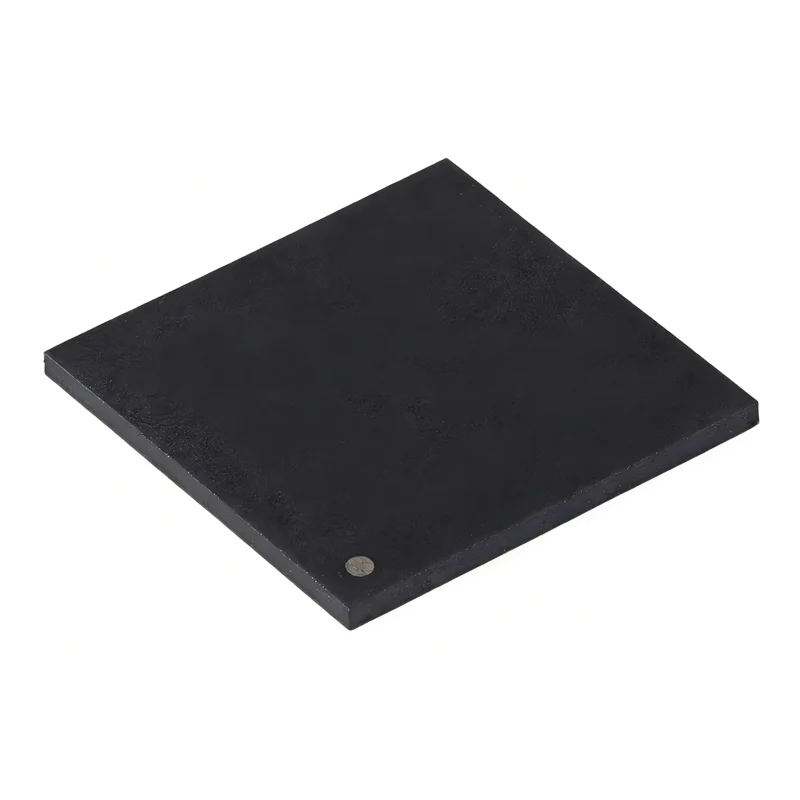
microcontrollers IA188ESPQF100IR03

Brand:

ADI

Description:

MCU

Supplier Device Package:

100PQFP

Environmental Compliance:

RoHS

Quality:

Brand New, Original, Genuine Product

Shipping Options:

FedEx, UPS, DHL, Other


Inquiry Online
Please complete all required fields with your contact information.Click "SUBMIT" we will contact you shortly by email. Or Email us: info@ckxic.com

*

*

*

*

*

Inquiry Online
Please complete all required fields with your contact information.Click "SUBMIT" we will contact you shortly by email. Or Email us: info@ckxic.com

*

*

*

*

*

The Function of Microprocessor and Microcontroller in Design FAQ

What is the primary difference in the Function of Microprocessor and Microcontroller?

The function of microprocessor and microcontroller differs mainly in their integration level. A microprocessor is a standalone CPU that requires external RAM, ROM, and I/O ports to work, making it highly flexible for complex systems like PCs. A microcontroller, however, integrates all these components onto a single chip, making it an "all-in-one" solution for dedicated tasks. When considering microprocessor vs microcontroller, the choice depends on whether you need expandable power or a compact, cost-effective control unit.

What are the key Features of Microprocessor and Microcontroller systems?

The features of microprocessor and microcontroller systems are tailored to their specific roles. Microprocessors feature high clock speeds, large cache memory, and the ability to address gigabytes of external RAM. In contrast, the key features of a microcontroller include low power consumption, integrated timers, and multiple digital/analog I/O pins. Understanding these features of microprocessor and microcontroller hardware is essential for engineers to decide which platform is best for their specific industrial or consumer electronic project.

When should an engineer choose Microprocessor vs Microcontroller for a project?

The debate of microprocessor vs microcontroller usually comes down to the complexity of the application. If the project requires running a heavy operating system like Windows or processing high-resolution video, the function of microprocessor and microcontroller comparison favors the microprocessor. However, for a dedicated task like controlling a smart thermostat or a drone’s motor, the integrated features of microprocessor and microcontroller technology make the microcontroller the more efficient and less expensive choice.

How do the Function of Microprocessor and Microcontroller compare in power use?

In terms of energy efficiency, the features of microprocessor and microcontroller are very different. Microcontrollers are designed for ultra-low power consumption and often feature "deep sleep" modes that use almost no energy. Microprocessors, because they run at much higher speeds and manage more external components, have a much higher power requirement. This is a critical factor in the microprocessor vs microcontroller decision for battery-powered IoT devices and portable electronics.

Can the Function of Microprocessor and Microcontroller overlap in modern IoT?

Yes, the boundary between the function of microprocessor and microcontroller is blurring. High-end microcontrollers now have the speed and memory to run basic Linux, while some "System on Chip" (SoC) microprocessors are becoming more integrated. Despite this, the core features of microprocessor and microcontroller remain distinct in terms of how they handle real-time tasks versus general-purpose computing. We help our clients navigate this microprocessor vs microcontroller overlap to find the most efficient solution for their IoT products.

What are the cost implications of Microprocessor vs Microcontroller?

In high-volume production, the features of microprocessor and microcontroller integration have a major impact on the Bill of Materials (BOM). A microcontroller is typically cheaper because it reduces the need for external chips. For a microprocessor system, you must also pay for external RAM and storage. This cost factor is a major driver in the microprocessor vs microcontroller choice for consumer goods, where every cent saved on the function of microprocessor and microcontroller selection can lead to significant profit increases.

How does your company assist with the Features of Microprocessor and Microcontroller selection?

We provide a comprehensive range of both technologies and help you evaluate the features of microprocessor and microcontroller options based on your specific technical needs. Our team understands the nuances of the function of microprocessor and microcontroller performance and can suggest the most reliable and cost-effective path forward. Whether your project demands microprocessor vs microcontroller architecture, we have the global supply chain to provide the genuine silicon you need.

Why is it important to understand the Function of Microprocessor and Microcontroller for trade?

For international traders, knowing the function of microprocessor and microcontroller is vital for correctly identifying market demands. The market for microprocessors is driven by the computing and server sectors, while the demand for microcontrollers is linked to the explosion of the smart home and industrial IoT. By understanding the features of microprocessor and microcontroller technology, you can better anticipate supply chain shifts and provide more value to your clients in the microprocessor vs microcontroller market.

If you are interested in our products, you can choose to leave your information here, and we will be in touch with you shortly.