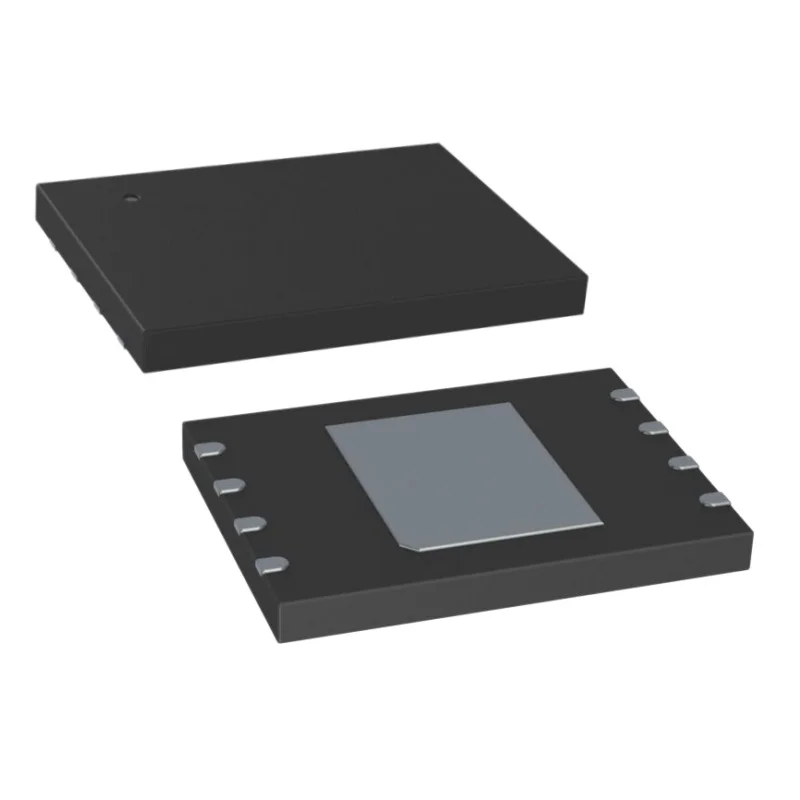
Libya’s Premier 5G communication chip Solutions

Libya's Premier 5G communication chip Solutions

Providing cutting-edge electronic components for a connected future in Libya and beyond.

Libya's Premier 5G communication chip Solutions

Delivering high-performance electronic components to empower businesses and innovation in Libya.

The Current Landscape of Electronic Component Distribution in Libya

Understanding the challenges and opportunities in Libya's electronic component market.

Libya's market for electronic components is currently characterized by a reliance on imports due to limited local manufacturing capabilities. The ongoing political and economic instability presents logistical challenges, including supply chain disruptions and currency fluctuations. Despite these hurdles, the demand for Wi Fi chip remains strong, driven by increasing internet penetration and the growing adoption of smart devices.

The infrastructure rebuild following years of conflict is fueling demand for electronic components across various sectors, including telecommunications, energy, and security.  However, the high cost of importing components, coupled with bureaucratic hurdles, represents a significant barrier to entry for many businesses.  The accessibility of components like NAND flash memory chip is crucial for enabling digital transformation.

The Libyan government is actively seeking to diversify its economy and invest in technological infrastructure. This creates an opportunity for reliable suppliers of high-quality electronic components, such as DDR memory chip and Mini LED driver chip. Addressing the logistical complexities and building strong local partnerships will be key to success.
Evolution of Electronic Component Technology and its Adoption in Libya

Tracing the development of electronic components and their integration into the Libyan market.

Market Development History

Prior to the 2011 revolution, Libya's electronic component market was largely dependent on imports from Europe and Asia. The focus was primarily on basic components for telecommunications and consumer electronics.  The early 2000s saw the introduction of GSM technology, driving demand for related components.

The period following the revolution witnessed significant disruption to supply chains and a decline in economic activity. Demand shifted towards essential components for emergency services and infrastructure repair.  The advent of smartphones and mobile internet in the late 2010s spurred a new wave of demand for more sophisticated components.

Currently, Libya is experiencing a gradual recovery, with renewed investment in infrastructure and a growing interest in digital technologies. The rise of IoT and 5G is creating opportunities for advanced electronic components like 5G communication chip.

Future Development Trends

The Rise of 5G and Enhanced Connectivity

The deployment of 5G networks in Libya will drive significant demand for high-performance radio frequency (RF) components, baseband processors, and related infrastructure.  This presents a substantial growth opportunity for suppliers.

Miniaturization and Increased Efficiency

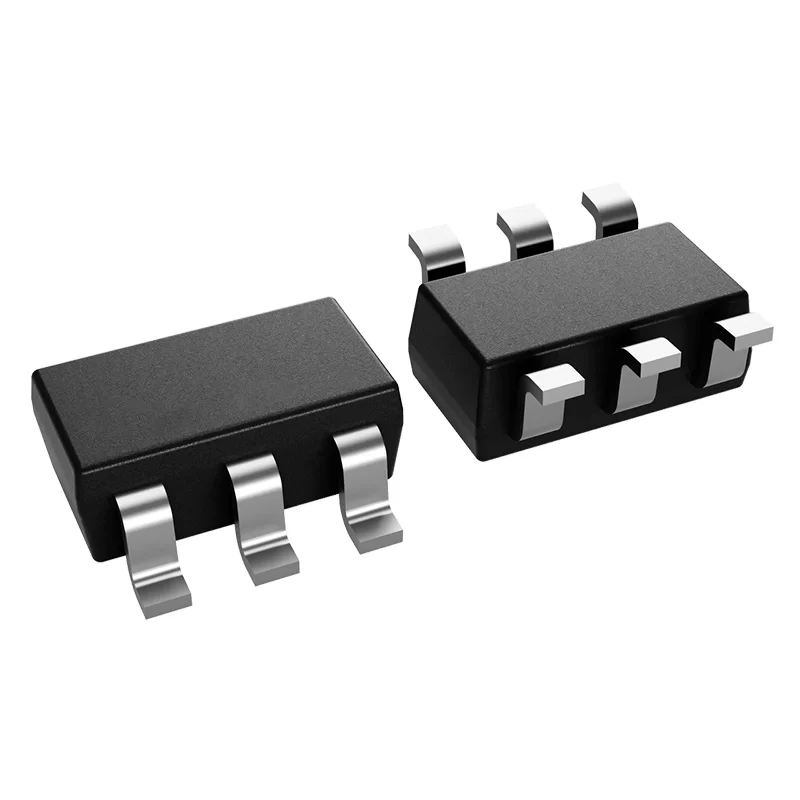
The trend towards smaller, more energy-efficient electronic components will continue, driven by the demand for portable devices and sustainable technologies.  Components like Mini LED driver chip will play a key role in this evolution.

The Growing Importance of Data Storage

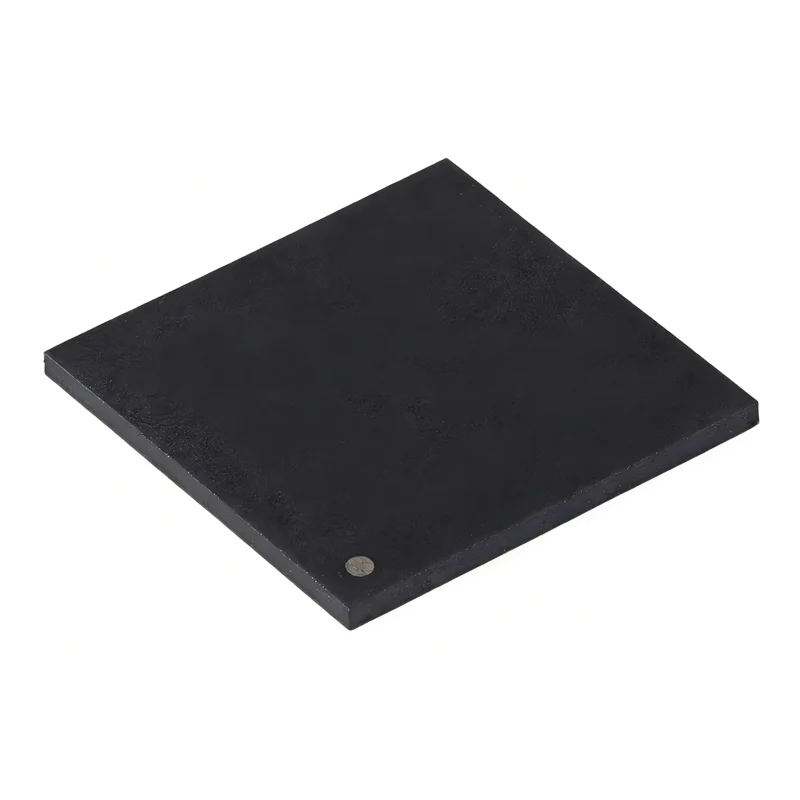
The increasing volume of data generated by connected devices will drive demand for high-capacity and high-speed data storage solutions, leading to a surge in demand for NAND flash memory chip.

Industry Trends and Future Outlook for Electronic Components in Libya

Exploring the future of electronic component technology and its potential impact on the Libyan market.

Expanding 5G Infrastructure
The rollout of 5G networks will necessitate a significant investment in infrastructure and a demand for advanced components, creating opportunities for growth.
Smart City Initiatives
Growing interest in smart city technologies will drive demand for sensors, microcontrollers, and communication modules.
Renewable Energy Expansion
Libya's investments in renewable energy sources will increase the demand for power electronics, energy storage systems, and monitoring devices.
Healthcare Modernization
Investments in healthcare infrastructure will drive demand for medical devices and diagnostic equipment, requiring specialized electronic components.

Industry Outlook

The Libyan electronic component market is poised for substantial growth over the next 3-5 years, driven by infrastructure development, technological advancements, and increasing demand for consumer electronics.  Successfully navigating the logistical challenges and building strong relationships with local partners will be crucial for suppliers.

The demand for advanced components, such as Wi Fi chip and DDR memory chip will continue to rise as Libya embraces the digital transformation.  Suppliers who can offer reliable, high-quality components and responsive customer support will be best positioned to capitalize on this opportunity.

Local Application Scenarios for Electronic Components in Libya

Exploring real-world applications of electronic components within the Libyan context.

1. Smart Agriculture Solutions

Utilizing sensors and IoT devices powered by Wi Fi chip for precision irrigation, soil monitoring, and crop management in Libya's agricultural regions, addressing water scarcity challenges.

2. Remote Healthcare Monitoring

Implementing telehealth solutions using wearable devices and remote patient monitoring systems, reliant on NAND flash memory chip for data storage, to improve access to healthcare in remote areas.

3. Enhanced Security Systems

Deploying advanced surveillance systems and access control technologies powered by 5G communication chip to enhance security in critical infrastructure facilities and public spaces.

4. Renewable Energy Grid Optimization

Integrating smart grid technologies utilizing microcontrollers and power electronics based on Mini LED driver chip to optimize energy distribution from solar and wind farms in Libya.

5. Digital Education Platforms

Providing access to online learning resources and digital educational tools, leveraging robust memory and processing capabilities from components such as DDR memory chip.

Brand Story

Shenzhen Chi Control Core Technology Co., Ltd.'s global development history

Foundation & Vision

Established in Shenzhen, China, Chi Control Core Technology is dedicated to bridging the gap in reliable electronic component supply chains, especially in emerging markets like Libya.

Commitment to Quality

We adhere to rigorous quality control standards and partner with leading manufacturers to ensure the integrity and performance of our components.

Strategic Partnerships

We foster strong relationships with distributors and logistics providers to streamline delivery and provide localized support to our clients in Libya.

Innovation & Adaptation

We continuously adapt our product portfolio and services to meet the evolving needs of the Libyan market, embracing new technologies and industry best practices.

Our Mission

To empower Libyan businesses and innovators with access to high-quality, reliable electronic components, enabling them to build a brighter, more connected future.

Complete Product Portfolio for the Libyan Market

A comprehensive range of electronic components to meet diverse industry needs in Libya.

Frequently Asked Questions about Electronic Component Supply in Libya

Addressing common concerns and inquiries from our Libyan customers.

What are the typical lead times for delivering electronic components to Libya?

Lead times vary depending on the component and shipping method, but generally range from 7-21 business days. We offer expedited shipping options to meet urgent requirements.

Do you offer technical support for the electronic components you supply?

Yes, we provide comprehensive technical support, including datasheets, application notes, and expert guidance from our experienced engineers.

What payment methods do you accept for orders from Libya?

We accept wire transfers and Letters of Credit (LC). We can discuss other payment arrangements on a case-by-case basis.

Are your electronic components compliant with international standards?

Yes, all our components are sourced from reputable manufacturers and comply with relevant international standards, such as RoHS and REACH.

What is your warranty policy on electronic components sold in Libya?

We offer a standard warranty of 12 months on all our components, covering defects in materials and workmanship.

Can you provide customized electronic component sourcing solutions for specific projects in Libya?

Yes, we offer customized sourcing services to help you find the exact components you need for your projects, even if they are not listed in our standard catalog.

Get in Touch with Us Today!

We are your trusted partner for electronic components in Libya. Contact us to discuss your specific requirements and receive a customized quote.

               Contact Us Now                    

If you are interested in our products, you can choose to leave your information here, and we will be in touch with you shortly.