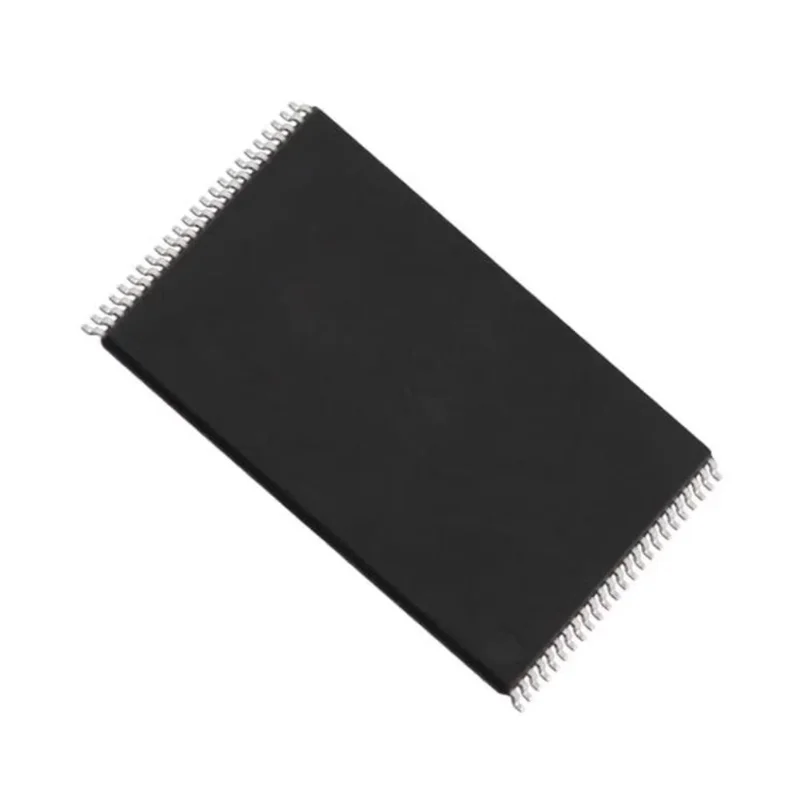
When designing high-reliability embedded systems, the choice of non-volatile memory is as critical as the processing unit itself. The M10082040108X0ISAY8-SOIC represents a high-performance memory solution specifically engineered for firmware storage and data retention in demanding environments. Whether integrated into industrial controllers or complex IoT frameworks, this component ensures that critical system instructions are executed without latency or corruption.
For procurement managers and hardware engineers, sourcing original components like the Winbond memory IC is not just about availability, but about ensuring long-term operational stability. In sectors where system failure is not an option—such as medical device manufacturing or automotive electronics—the precision of the 8-SOIC package and the reliability of the memory cells are paramount. This page explores the technical integration and procurement logic for this specific memory component within the broader semiconductor ecosystem.

The M10082040108X0ISAY8-SOIC is a specialized Memory IC designed to bridge the gap between high-speed processing and stable long-term storage. Utilizing an 8-SOIC (Small Outline Integrated Circuit) package, it provides a compact footprint that is essential for modern, space-constrained PCB designs. This component is primarily used for storing boot code, firmware updates, and configuration parameters that must persist even during power loss.
From an engineering perspective, the stability of this memory IC ensures that the system's instruction set remains intact. In industrial controls, where electromagnetic interference is common, the robust design of the Winbond architecture minimizes bit-flip errors. The integration process typically involves careful consideration of the SPI or I2C bus speeds to match the timing requirements of the central processing unit, ensuring seamless data retrieval during the system boot sequence.

The versatility of the M10082040108X0ISAY8-SOIC makes it a staple in various professional sectors. In the realm of IoT devices, it serves as the primary repository for the lightweight operating systems that manage sensor data and wireless communication. The ability to handle frequent read cycles while maintaining data longevity is what makes this memory IC ideal for edge computing devices that operate autonomously in the field.
In the medical technology sector, the stakes are even higher. Memory components are used in patient monitoring systems and diagnostic equipment where firmware reliability is directly linked to patient safety. Similarly, in the automotive industry, as vehicles become more connected, the demand for stable firmware storage for ECU (Electronic Control Units) has surged. These components must withstand temperature fluctuations and mechanical vibrations, tasks for which the SOIC packaging is well-suited.
Furthermore, in industrial automation, these ICs are embedded into PLCs (Programmable Logic Controllers) to store complex logic sequences. The consistency provided by original electronic components ensures that manufacturing lines operate without unexpected downtime caused by memory failure or slow access times.
Navigating the semiconductor supply chain requires a balance between cost optimization and risk mitigation. For components like the M10082040108X0ISAY8-SOIC, the primary risk is the infiltration of counterfeit parts into the supply chain. Using a trusted partner that specializes in streamlining procurement, such as CKXIC, ensures that every chip is an original component with a verifiable trace.
Buyers should evaluate suppliers based on their warehouse network and inventory depth. A robust network across multiple hubs reduces lead times and protects against regional shortages. Additionally, the ability to handle excess inventory management and chip consignment allows manufacturers to optimize their working capital without compromising their production schedule.
When selecting a supplier for a custom microprocessor project or general memory sourcing, consider the following criteria:
| Application Sector | Key Requirement | Packaging Preference | Reliability Level |
|---|---|---|---|
| Consumer Electronics | Cost & Size | SOIC / QFN | Medium |
| Medical Devices | Data Integrity | SOIC / BGA | Ultra-High |
| Industrial IoT | Temp Resistance | SOIC / DIP | High |
| Automotive ECU | Vibration Stability | SOIC / TSSOP | Ultra-High |
| Computing/Gaming | Access Speed | BGA / TSOP | High |
The semiconductor industry is characterized by extreme volatility. For engineers and procurement officers, the challenge is not just finding the M10082040108X0ISAY8-SOIC today, but ensuring a sustainable supply for the product's entire lifecycle. This is particularly challenging for long-lifecycle products in the energy and medical sectors, where re-designing a board to accommodate a new chip can cost thousands of dollars in certification and testing.
To counter this, many firms are moving toward a "one-stop access" model. By partnering with distributors who maintain millions of component models in their inventory, companies can reduce the number of vendors they manage, thereby reducing administrative overhead and the risk of inconsistent quality. Professional testing services provided by the distributor act as a final gate, ensuring that only functional, original components reach the PCBA customization stage.
As we move toward more intelligent edge devices, the requirements for memory ICs are evolving. We are seeing a shift toward higher densities and lower power consumption to support AI-driven firmware. The M10082040108X0ISAY8-SOIC remains a critical building block, but the industry is increasingly looking at how these components integrate with advanced power management systems to extend the battery life of remote IoT sensors.
Moreover, the integration of memory within a custom microprocessor environment is becoming more seamless, with a push toward System-in-Package (SiP) technologies. However, for the vast majority of industrial and consumer applications, the discrete SOIC memory component remains the preferred choice due to its ease of replacement, proven reliability, and cost-effectiveness during the assembly process.
It serves as non-volatile storage, typically used for holding firmware, bootloaders, and system configuration data that must be retained when power is removed.
The 8-SOIC package offers a balance between a small physical footprint and ease of soldering, providing better mechanical stability than some ultra-small packages in vibrating environments.
Verification is done through a combination of visual inspection of the marking, checking the date codes, and performing electrical testing to ensure parameters match the official datasheet.
Yes, provided the components are sourced from a reliable supplier who ensures they meet the strict quality and compliance standards required for medical-tech builds.
Consult with a professional sourcing partner to identify pin-to-pin compatible alternatives that match the memory density, voltage, and timing requirements of your system.
Yes, original M10082040108X0ISAY8-SOIC components are manufactured to be RoHS compliant, ensuring they are free from hazardous substances like lead.
Ensuring the stability of your production line begins with the integrity of every single component. For those seeking reliable access to memory ICs and integrated circuits, partnering with a supply chain expert is the most effective way to mitigate risk and drive sustainable growth.

Hit enter to search or ESC to close