October 21, 2026
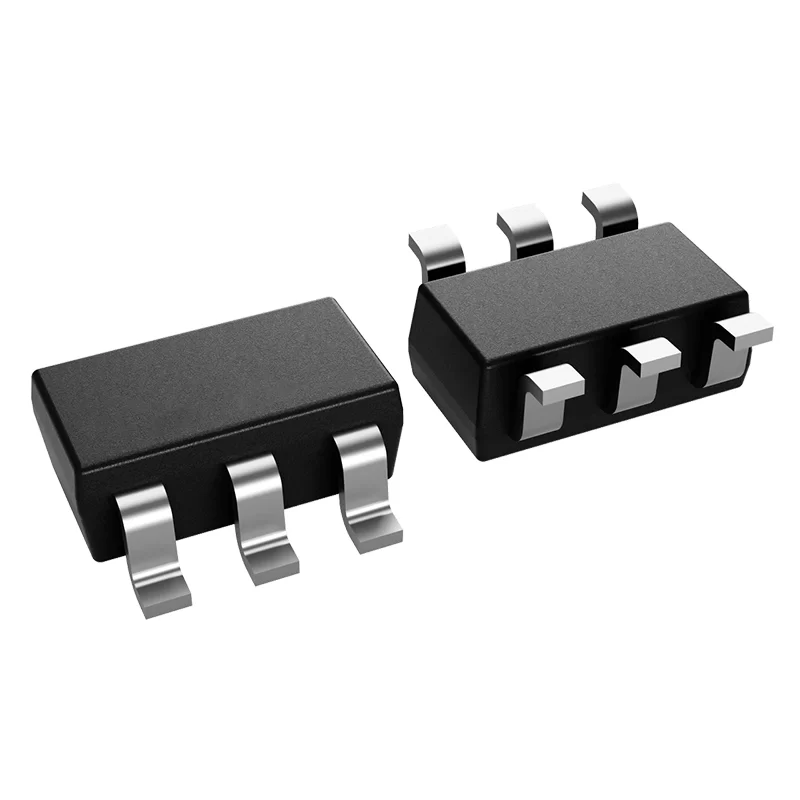
Mapping the TMP126EDCKRQ1 into active production pipelines requires aligning component sourcing workflows with established approved vendor list protocols. Engineers evaluate preliminary packaging and ordering increments directly through authorized channels to determine volume feasibility before any manufacturing commitment is finalized.
Supply chain reliability depends heavily on verifying that authorized distributor networks can support scheduled component delivery milestones.
Technical documentation is requested from the manufacturer to maintain complete alignment with internal quality management systems whenever parametric data requires verification.
| model | application | industry | certification |
|---|---|---|---|
| TMP126EDCKRQ1 | to be confirmed with the supplier | to be confirmed with the supplier | to be confirmed with the supplier |
Factory floor planners cross-reference preliminary availability data against standard procurement milestones to eliminate downstream supply chain bottlenecks.
Authorized distributor networks provide the foundational layer for verifying silicon sensor authenticity and pedigree. When assessing compliance portfolios, purchasing teams cross-reference batch documentation directly against the available supplier records without relying on unverified claims.
Detailed verification packages for the TMP126EDCKRQ1 depend strictly on destination port requirements, specific lot volumes, and formal engineering requests submitted through primary channels.
| Model | Required Documentation |
|---|---|
| TMP126EDCKRQ1 | to be confirmed with the supplier |
Traceability standards for silicon temperature sensors demand structured documentation archives covering lot numbers and assembly sites. Compliance verification protocols require engineering departments to review audit trails supplied by authorized vendors prior to large-scale component deployment.
Industry research notes highlight that managing regulatory burdens across multi-tier supply chains increases operational overhead unless strict distributor verification workflows are enforced for every procurement cycle.
Surface-mount assembly workflows for the TMP126EDCKRQ1 demand strict adherence to standardized reflow thermal curves to protect internal silicon architectures. Packaging geometries directly define the precise land pattern dimensions required on printed circuit boards, ensuring solder joint reliability during automated pick-and-place routines.
Thermal dissipation pathways beneath the sensor package scale according to the copper weight specifications of the circuit board. Copper plane allocations surrounding the footprint mitigate localized thermal gradients that could otherwise skew temperature readings across the board substrate, depending on specific board layer counts and operational duty cycles.
Automated manufacturing lines apply specific time-temperature parameters during infrared reflow to eliminate mechanical stress on silicon temperature sensors. Solder paste volume and stencil aperture design govern fillet formation, reducing bridging risks on fine-pitch pads.
Manufacturing operators cross-reference assembly parameters directly against supplier packaging guidelines to maintain consistent yields across high-volume production batches. Technical teams review handling protocols prior to initiating automated component placement on the factory floor.
Component availability fluctuations in the global semiconductor sector directly impact the scheduling of multi-year manufacturing programs. Procurement planners analyze broader market shifts to anticipate potential delivery lead time variances before issuing long-term purchase orders, depending directly on historical order volumes and regional destination ports.
Inventory buffer levels are adjusted continuously against regional supply chain constraints and semiconductor manufacturing capacity reports published by industry research organizations.
Silicon temperature sensor longevity relies heavily on active product lifecycle policies and semiconductor roadmap disclosures. Engineering teams monitor notice of discontinuance notifications closely to prevent unexpected assembly redesigns, governed strictly by annual consumption forecasts established during initial vendor contracting.
| model | application | industry | certification |
|---|---|---|---|
| TMP126EDCKRQ1 | to be confirmed with the supplier | to be confirmed with the supplier | to be confirmed with the supplier |
When component phase-out notices are issued, alternative part qualification pathways depend upon the specific lot volume and destination port requirements negotiated during the initial contract phase.
Long-term production scheduling requires balancing warehouse carrying costs against the risk of unexpected component stockouts across authorized distribution channels. Material requirements planning systems account for historical fulfillment rates when projecting quarterly silicon sensor intake volumes, with delivery timelines varying according to specific regional shipping routes and destination port logistics.
Merging distinct operational workflows into a cohesive qualification framework prevents fragmented decision-making across engineering and procurement teams. Component evaluation matrices combine supplier availability metrics, assembly compatibility data, and batch documentation requirements into a single assessment pipeline.
When multi-tiered distribution channels are evaluated, purchasing departments align lead times directly with scheduled manufacturing milestones to eliminate downstream bottlenecks.
Component engineers execute structured evaluation routines before approving any silicon temperature sensor for active production lines. Initial screening isolates functional parameters from unverified marketing claims to maintain strict internal compliance.
| model | application | industry | certification |
|---|---|---|---|
| TMP126EDCKRQ1 | to be confirmed with the supplier | to be confirmed with the supplier | to be confirmed with the supplier |
Technical evaluators review authorized distribution channels to verify component authenticity and pedigree before larger volume commitments are finalized. Batch records and assembly site documentation are cross-referenced directly against official manufacturer disclosures depending on the specific lot volume and destination port requirements.
Clear verification checkpoints govern the transition from preliminary sample testing to full-scale volume manufacturing. Technical audits confirm that authorized distributor networks can reliably support scheduled component delivery milestones across multi-year procurement cycles.
Procuring teams verify that every component lot aligns with established approved vendor list protocols before authorizing final production runs.
Engineering review phases require isolating undocumented performance metrics before final circuit board integration takes place. When specific operational parameters lack official verification data, technical teams rely directly on variable batch limitations and destination port requirements to assess risk. Assuming missing values leads directly to assembly defects and functional field failures.
Isolating these unverified thresholds protects the procurement pipeline from unexpected operational liabilities during volume manufacturing cycles. Technical evaluators cross-reference available batch documentation against actual physical component markings without extending assumptions into unstated electrical margins.
Managing components without fully specified data sheets requires strict adherence to internal quality management thresholds determined by specific order quantities and logistics corridors. Procurement managers establish robust contingency plans when primary documentation remains incomplete during the pre-sourcing stage.
Contingency frameworks dictate that alternative component pathways must be validated whenever primary parameters exhibit uncertainty. Operational planners adjust inventory buffers based on the precise destination port requirements and total batch volume rather than relying on unconfirmed manufacturer statements.
Silicon temperature sensor integration begins by aligning internal semiconductor sourcing channels with formal component evaluation pipelines. Engineering teams verify baseline part numbers against enterprise databases before initiating sample requests. Approval timelines depend entirely on internal batch volume requirements and scheduled manufacturing milestones.
Traceability verification relies on cross-referencing incoming shipment documentation directly with authorized distributor records. Procurement departments audit lot numbers and assembly site markers against historical delivery archives. Final traceability sign-off is governed by destination port regulations and specific order volumes.
Standard printed circuit board design rules for surface-mount devices dictate land pattern dimensions and stencil apertures. Manufacturing teams apply reflow soldering profiles aligned with industry-standard thermal limits for silicon IC packages. Process parameters vary depending on board layer density and specific assembly equipment tolerances.
Long-term procurement strategies incorporate historical supply-demand fluctuations to mitigate inventory lead-time risks. Inventory planners establish safety stock thresholds based on general market allocation trends rather than specific manufacturer guarantees. Multi-year purchasing forecasts depend heavily on scheduled production run continuity and broader economic conditions.
Vendor qualification frameworks synthesize electrical integration feasibility, documentation pedigree, and distributor reliability into a single review stage. Engineering units evaluate sample performance against internal functional requirements before authorizing volume purchase orders. Qualification milestones are determined by specific project timelines and targeted end-market compliance criteria.
Procurement professionals isolate unverified technical metrics during initial specification reviews to prevent downstream design failures. Engineering decisions restrict operational assumptions strictly to documented facts provided through official distribution channels. Risk mitigation protocols vary based on application criticality and specific destination market regulatory demands.
Reviewing the comprehensive evaluation criteria for the TMP126EDCKRQ1 reveals that silicon temperature sensors demand rigorous validation against technical feasibility, supply chain stability, and component integration parameters before volume manufacturing begins. Procurement teams conclude their preliminary assessments by cross-referencing batch documentation schedules with specific destination port delivery windows.
Authorized distributor networks provide the primary framework for verifying availability while remaining strictly aligned with minimum order quantity thresholds and specific lot volume parameters. Component engineers and supply chain managers finalize validation workflows by inspecting official documentation channels rather than relying on unverified assumptions.

Hit enter to search or ESC to close