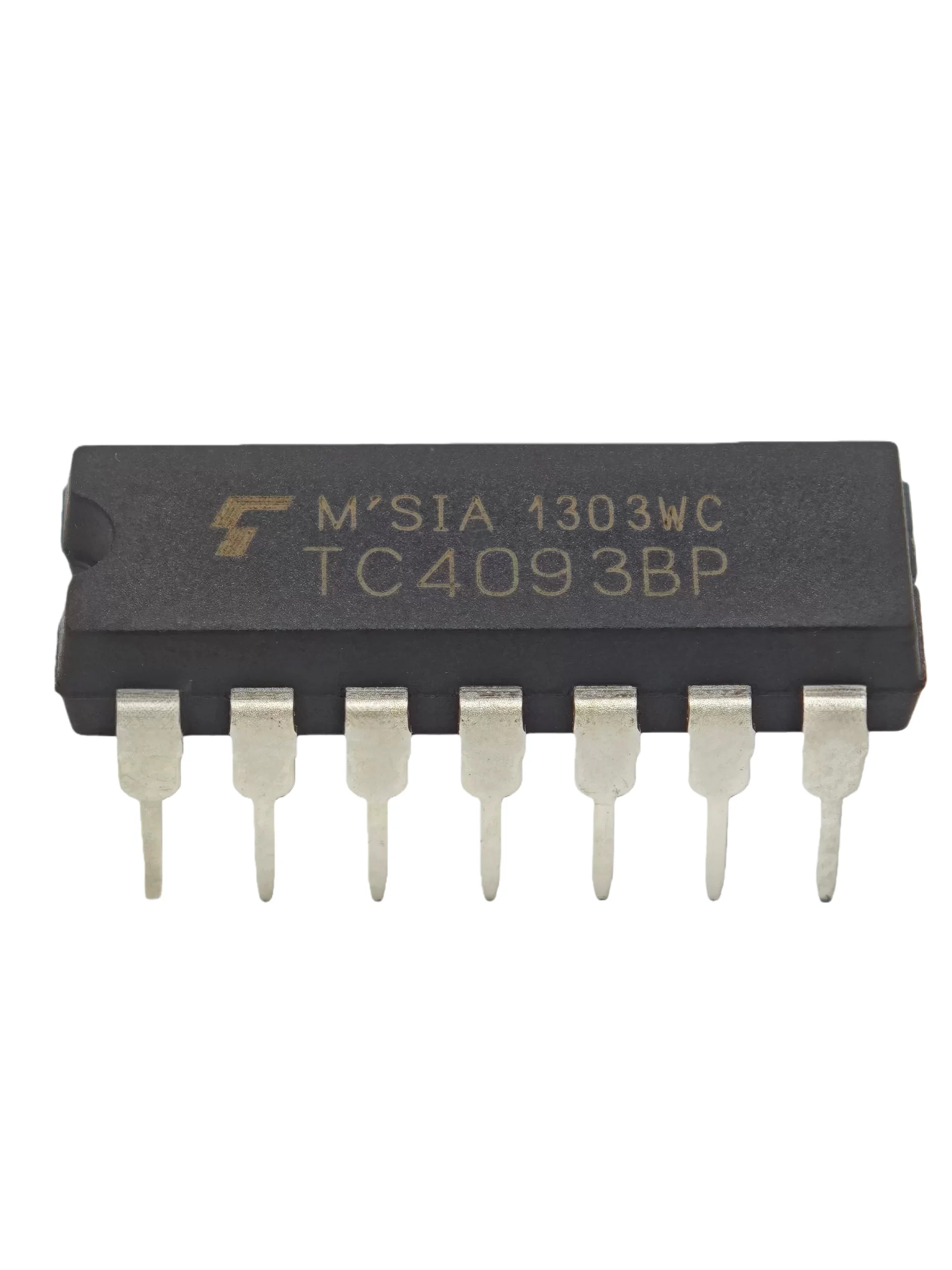
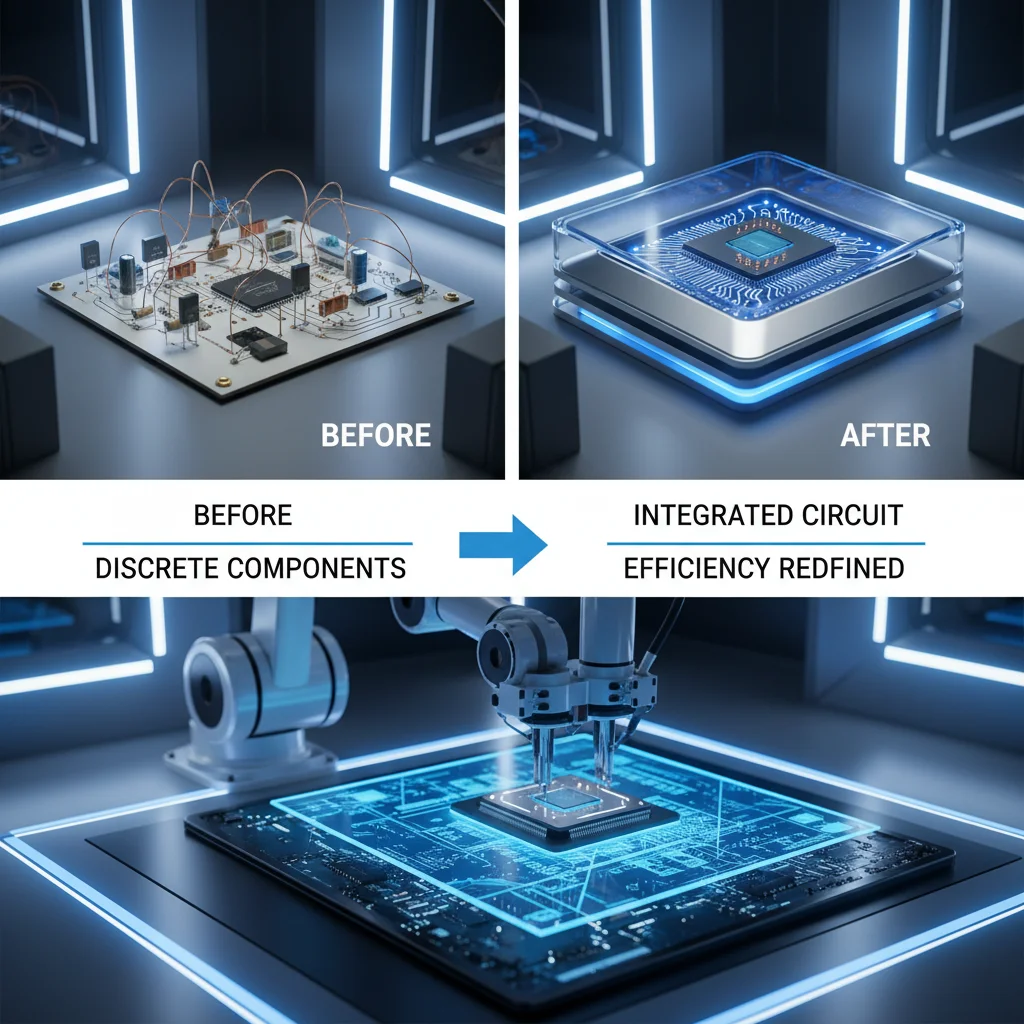
How does a high-frequency buck controller ic optimize power density?
A high-frequency buck controller ic allows for the use of smaller inductors and capacitors. By operating at frequencies up to 2.2MHz, this analog ic shrinks the overall PCB footprint of the power stage. Our precision analog ic design ensures that switching losses remain minimal, which is a hallmark of elite analog and mixed signal ic design for space-constrained automotive and industrial electronics.
What is the significance of "Constant On-Time" (COT) control in this ic?
COT control allows the buck controller ic to respond almost instantly to load steps. This is a superior analog ic architecture for powering CPUs and FPGAs that have rapid current changes. Through advanced precision analog ic engineering, our COT-based analog and mixed signal ic design provides a stable output without the need for complex external compensation networks.
How does the buck controller ic manage efficiency at light loads?
Our buck controller ic features an automatic Pulse Frequency Modulation (PFM) mode. When the system consumes less power, the analog ic reduces switching cycles to save energy. This precision analog ic feature is vital for extending battery life in portable devices. It reflects our commitment to high-efficiency analog and mixed signal ic design across the entire output range.
Does the buck controller ic support multi-phase interleaving?
Yes, our high-power buck controller ic can be synchronized in multi-phase configurations. This balances the thermal load and reduces output ripple. As a high-performance analog ic, it provides the precise phase-shifting required in precision analog ic applications like server power supplies. This level of synchronization is a key feature of our advanced analog and mixed signal ic design.
What is the "Soft-Start" feature in a buck controller ic?
Soft-start ensures the buck controller ic gradually ramps up the output voltage during power-on. This prevents inrush current from tripping your main power supply. It is a critical analog ic safety mechanism. By integrating this into the precision analog ic, we simplify the analog and mixed signal ic design and protect sensitive components from voltage overshoots.
Can the buck controller ic handle a wide input voltage range?
Our buck controller ic models are rated for up to 60V inputs, making them ideal for 48V telecom and automotive systems. This rugged analog ic design handles input transients with ease. It is a precision analog ic solution that maintains output stability regardless of input fluctuations, demonstrating the robustness of our analog and mixed signal ic design.
How does the ic protect against "Over-Voltage" (OVP) events?
The buck controller ic constantly monitors the output. If an over-voltage is detected, the analog ic instantly shuts down the high-side MOSFET to protect the load. This hardware-level precision analog ic protection is faster than any software-based system, a standard safety requirement in our analog and mixed signal ic design portfolio.
Why specify our buck controllers for your international projects?
We offer a buck controller ic that matches the performance of Tier-1 brands while offering better lead times and technical support. Our precision analog ic chips are 100% tested for thermal and electrical stability. For global buyers, choosing our analog ic means integrating reliable, high-efficiency analog and mixed signal ic design into your most demanding power projects.