How does an fm radio ic chip achieve high sensitivity in compact designs?
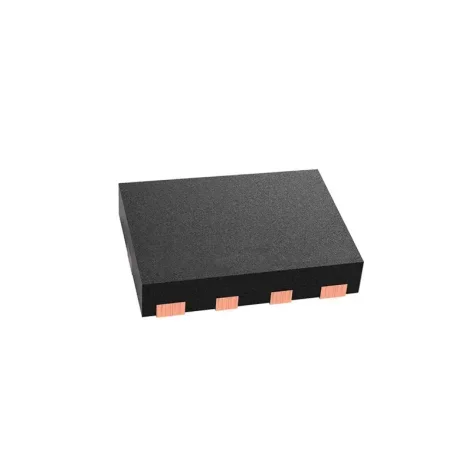
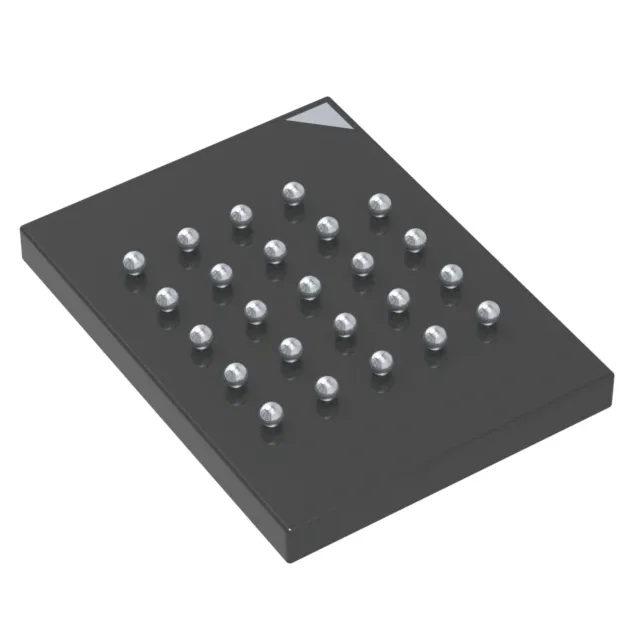
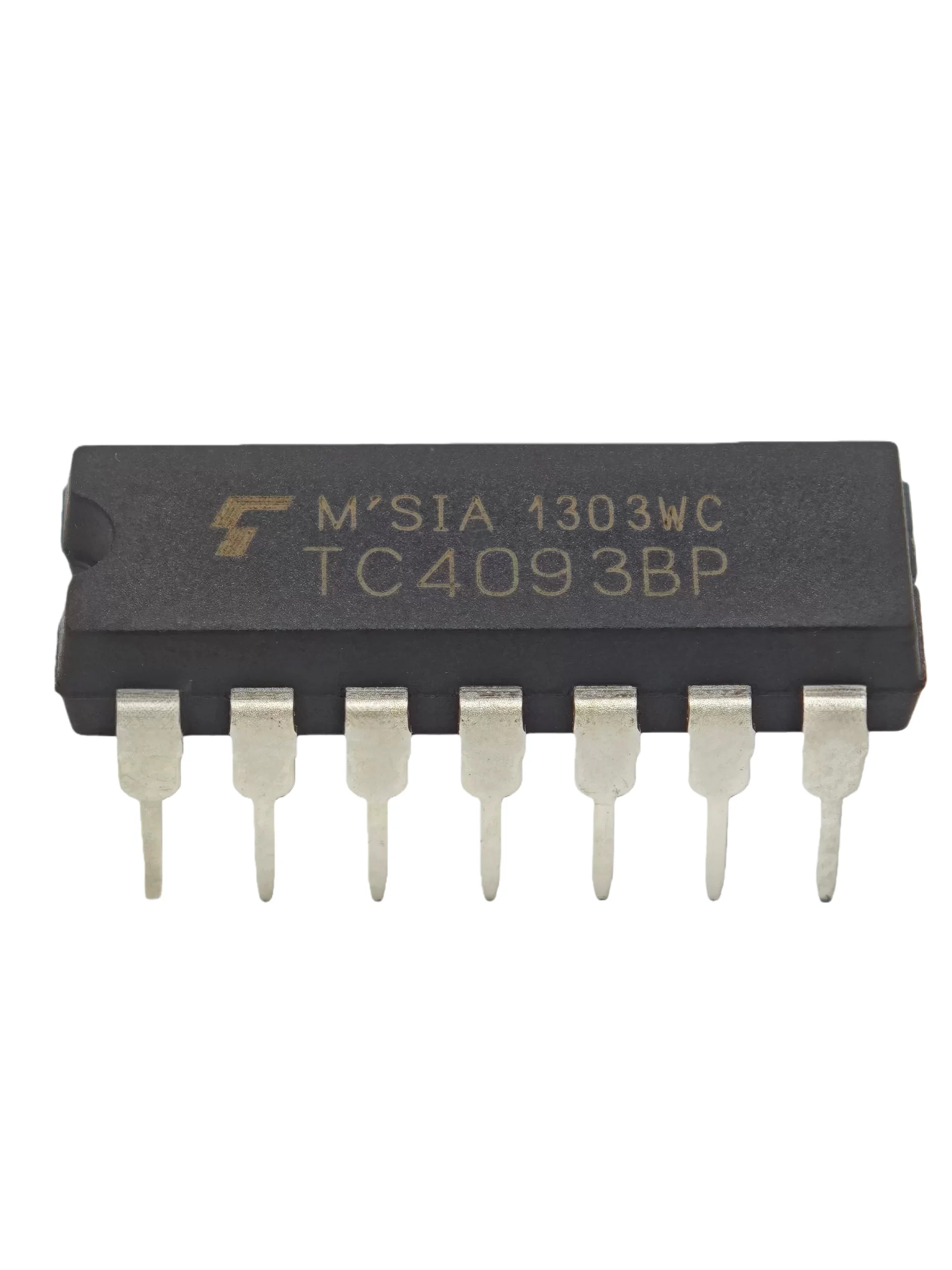
A modern fm radio ic chip utilizes a low-IF architecture to integrate the entire signal path into a tiny footprint. By minimizing the need for external rf passive components, it reduces signal loss and interference. This advanced analog and digital ic design provides excellent sensitivity and selectivity, allowing portable devices to capture weak stations clearly. It is a significant evolution over traditional am radio ic chip designs, offering superior audio fidelity for consumer electronics.
Can this am radio ic chip be combined with FM functionality?
Yes, our dual-band solution integrates both an am radio ic chip and an fm radio ic chip onto a single die. This versatile analog and digital ic allows manufacturers to offer multi-band support without increasing the PCB size. The internal logic manages the switching between bands, while integrated rf passive components handle the necessary impedance matching, ensuring stable reception across both the AM and FM spectrums in various geographic regions.
What is the importance of rf passive components in radio receiver circuits?
In any radio design, rf passive components like high-Q inductors and precision capacitors are vital for the front-end filter and antenna matching. Our fm radio ic chip is designed to work with minimal external parts, but the quality of these passive elements directly impacts the signal-to-noise ratio. By optimizing the interface between the analog and digital ic and the external network, we ensure the am radio ic chip maintains high performance even in noisy urban environments.
Does the analog and digital ic design support digital signal processing (DSP)?
Absolutely. The analog and digital ic architecture of our fm radio ic chip includes an integrated DSP core. This core performs digital filtering, stereo decoding, and adaptive noise cancellation. Unlike a basic am radio ic chip, this digital processing layer improves the audio experience by dynamically adjusting to signal conditions. It represents the perfect synergy of high-frequency analog front-ends and sophisticated digital logic within a single chip.
Is the fm radio ic chip suitable for battery-powered wearable devices?
Yes, efficiency was a primary goal during the development of this fm radio ic chip. It operates at ultra-low voltages, making it ideal for wearables and smartphones. The analog and digital ic design features a "sleep" mode that draws negligible current when the radio is inactive. Even when the am radio ic chip or FM receiver is fully operational, the optimized rf passive components on the board help keep the total power consumption within strict limits.
How does the am radio ic chip handle electromagnetic interference (EMI)?
Our am radio ic chip incorporates advanced shielding and differential signal paths at the analog and digital ic level. This is crucial because AM signals are particularly susceptible to noise from nearby microprocessors. By carefully selecting the internal rf passive components and using digital interference rejection, our fm radio ic chip and AM solutions maintain high signal integrity even when placed close to high-speed digital circuits in modern multi-functional gadgets.
What communication interfaces are supported by this fm radio ic chip?
The fm radio ic chip features a standard I2C or SPI interface, allowing a host microcontroller to control frequency tuning, volume, and RDS data reading. This analog and digital ic interface simplifies software development. Whether you are building a standalone radio or integrating an am radio ic chip into a smart home hub, the digital control logic and integrated rf passive components ensure a "plug-and-play" experience for hardware engineers.
Why choose our radio IC solutions for global consumer electronics?
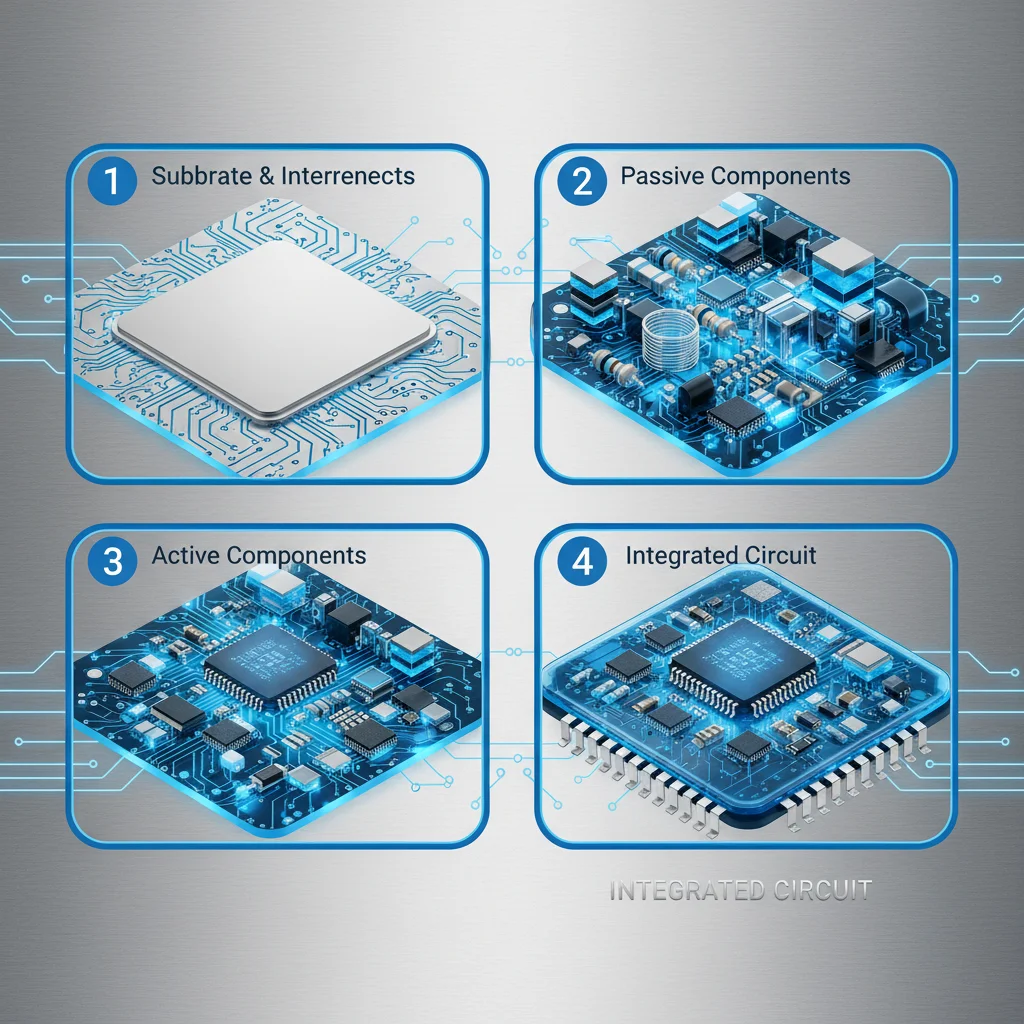
Our fm radio ic chip and am radio ic chip products are recognized for their reliability and high level of integration. By providing a comprehensive analog and digital ic that reduces the reliance on external rf passive components, we help manufacturers lower their BOM costs and speed up time-to-market. Our chips are tested to meet global broadcasting standards, making them a trusted choice for international trade in the highly competitive consumer technology sector.