What makes the STM32 Microprocessor a preferred choice for high-end embedded projects?
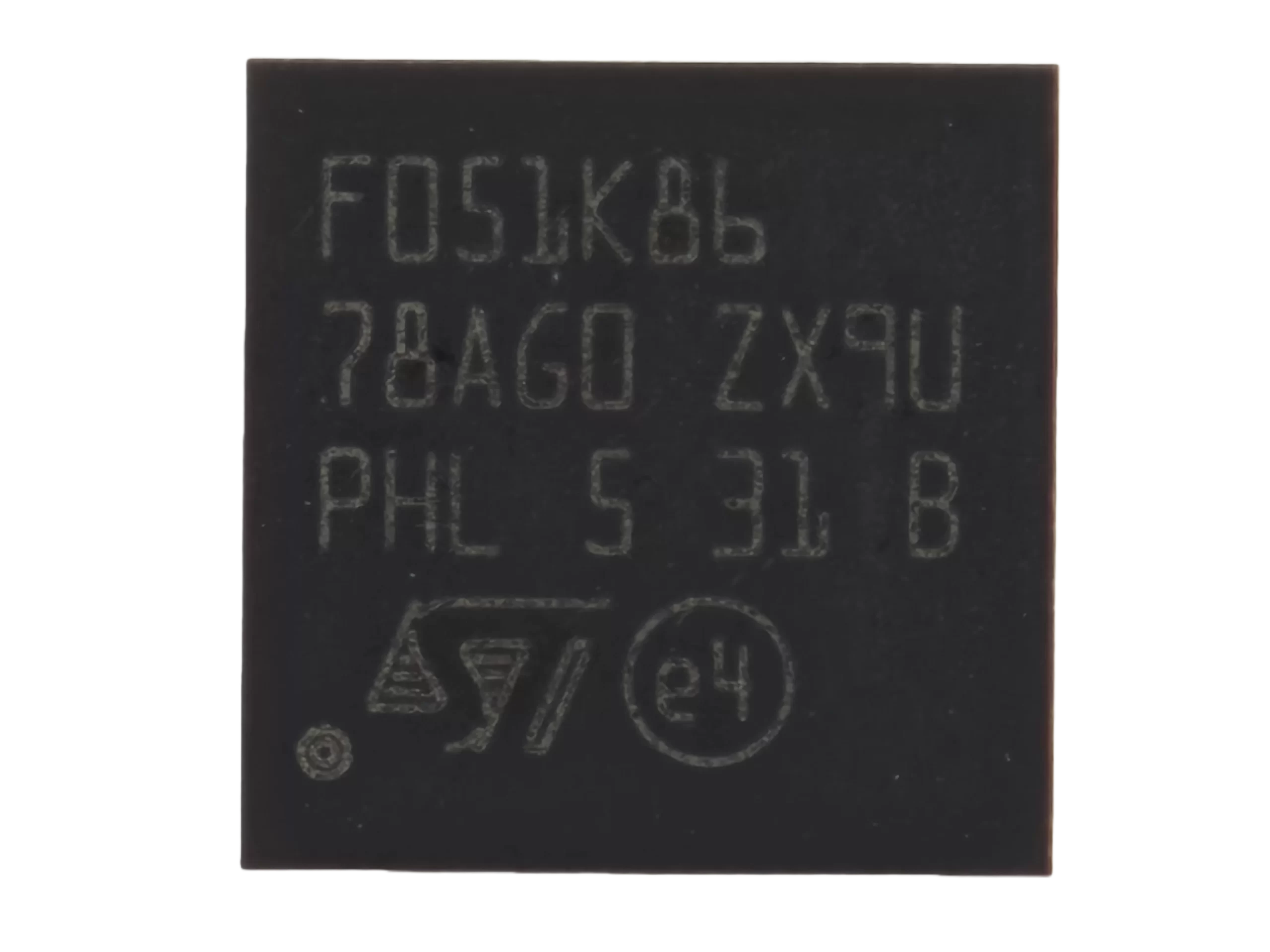
The STM32 Microprocessor stands out due to its versatile architecture based on the ARM Cortex-M core, offering a perfect blend of performance and energy efficiency. It provides developers with a vast array of integrated peripherals, including high-speed timers and sophisticated communication interfaces. This makes the chip highly adaptable for complex applications ranging from high-fidelity audio processing to advanced motor control in industrial environments.
How does the synergy between a Microcontroller and Microprocessor benefit industrial IoT?
In many complex IoT deployments, the combination of a Microcontroller and Microprocessor allows for a tiered processing approach. The microcontroller handles real-time sensor data and low-level hardware tasks, while the microprocessor manages high-level operating systems and cloud connectivity. This dual-capability ensures that the system remains responsive to local triggers while maintaining robust data throughput for global network communications.
Can the STM32 Microprocessor operate efficiently in low-power battery applications?
Yes, the STM32 Microprocessor is engineered with multiple low-power modes that allow it to drastically reduce current consumption when idle. By utilizing specialized sleep and standby states, the chip can extend the battery life of portable devices from months to years. This efficiency is critical for remote environmental sensors and wearable medical technology where frequent battery replacement is not a viable option.
What development tools are available for the STM32 Microprocessor ecosystem?
The STM32 Microprocessor is supported by a comprehensive suite of software tools, including the STM32CubeIDE and various hardware abstraction layers (HAL). These tools simplify the configuration of complex peripherals and accelerate the coding process. Additionally, a massive global community provides extensive libraries and troubleshooting resources, ensuring that engineers can resolve development challenges quickly and meet tight project deadlines.
How does the Microcontroller and Microprocessor integration impact PCB design costs?
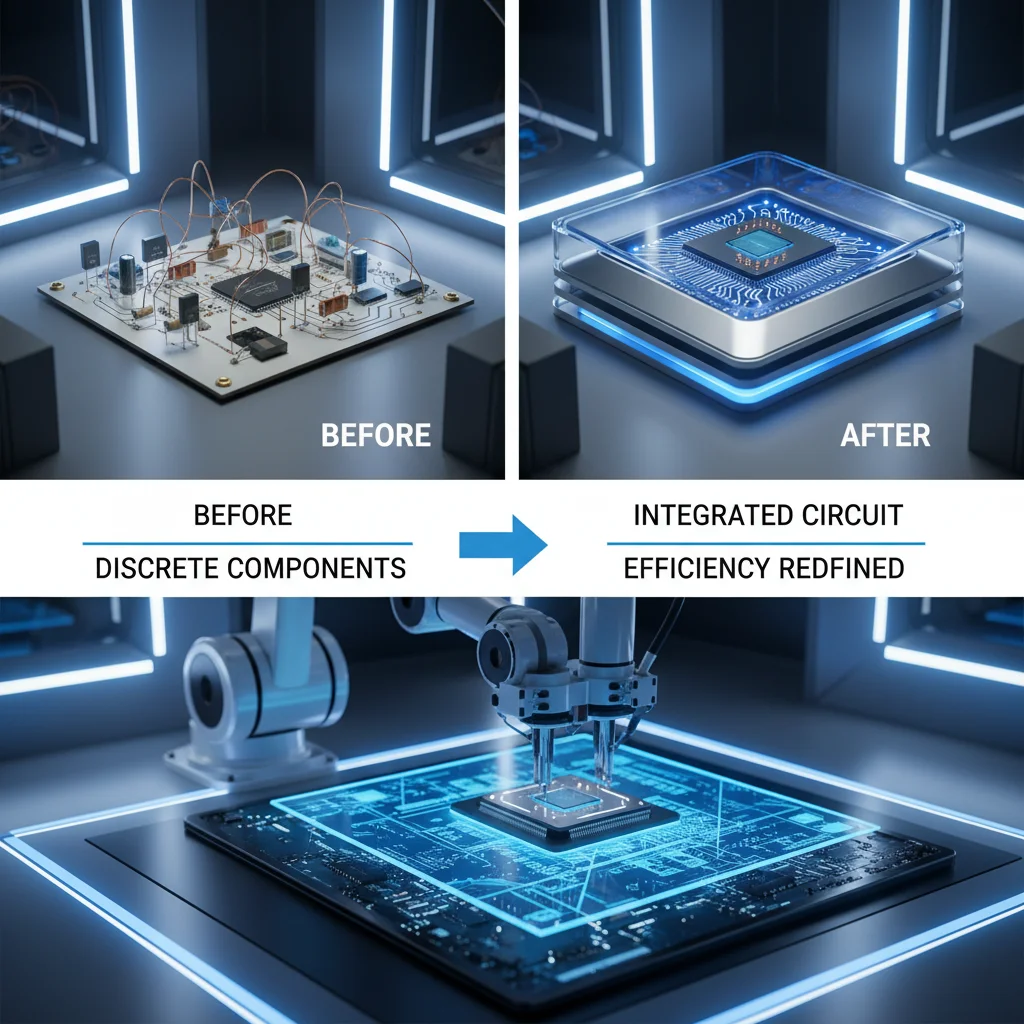
Integrating the functions of both a Microcontroller and Microprocessor into a unified hardware strategy helps reduce the total number of discrete components on a PCB. This leads to a more compact board layout and lowers the overall Bill of Materials (BOM) cost. By choosing highly integrated chips, manufacturers can produce smaller, more cost-effective electronic devices without compromising on computational power or interface flexibility.
Does the STM32 Microprocessor support advanced security features like hardware encryption?
Security is a top priority for the STM32 Microprocessor, which features built-in hardware cryptographic accelerators for AES and RSA algorithms. It also includes secure boot mechanisms and unique device IDs to prevent unauthorized firmware cloning. These hardware-level security measures are essential for protecting sensitive user data and ensuring the integrity of industrial control systems against potential cyber-physical attacks.
How is the Microcontroller and Microprocessor performance balanced in robotics?
In robotics, the Microcontroller and Microprocessor work in tandem to manage precision motion and high-level path planning. The microcontroller handles the millisecond-level timing required for servo motor control, while the microprocessor runs navigation algorithms and processes camera feeds. This distributed architecture ensures the robot can react to its environment in real-time while performing complex cognitive tasks simultaneously.
What are the shipping and lead time expectations for bulk STM32 Microprocessor orders?
We maintain a robust supply chain for the STM32 Microprocessor to ensure that our international trade partners receive their orders without significant delays. For bulk orders, we offer customized logistics solutions including vacuum-sealed anti-static packaging and detailed tracking. Our team provides regular updates on inventory levels to help you plan your production schedules effectively and avoid any market-driven supply shortages.