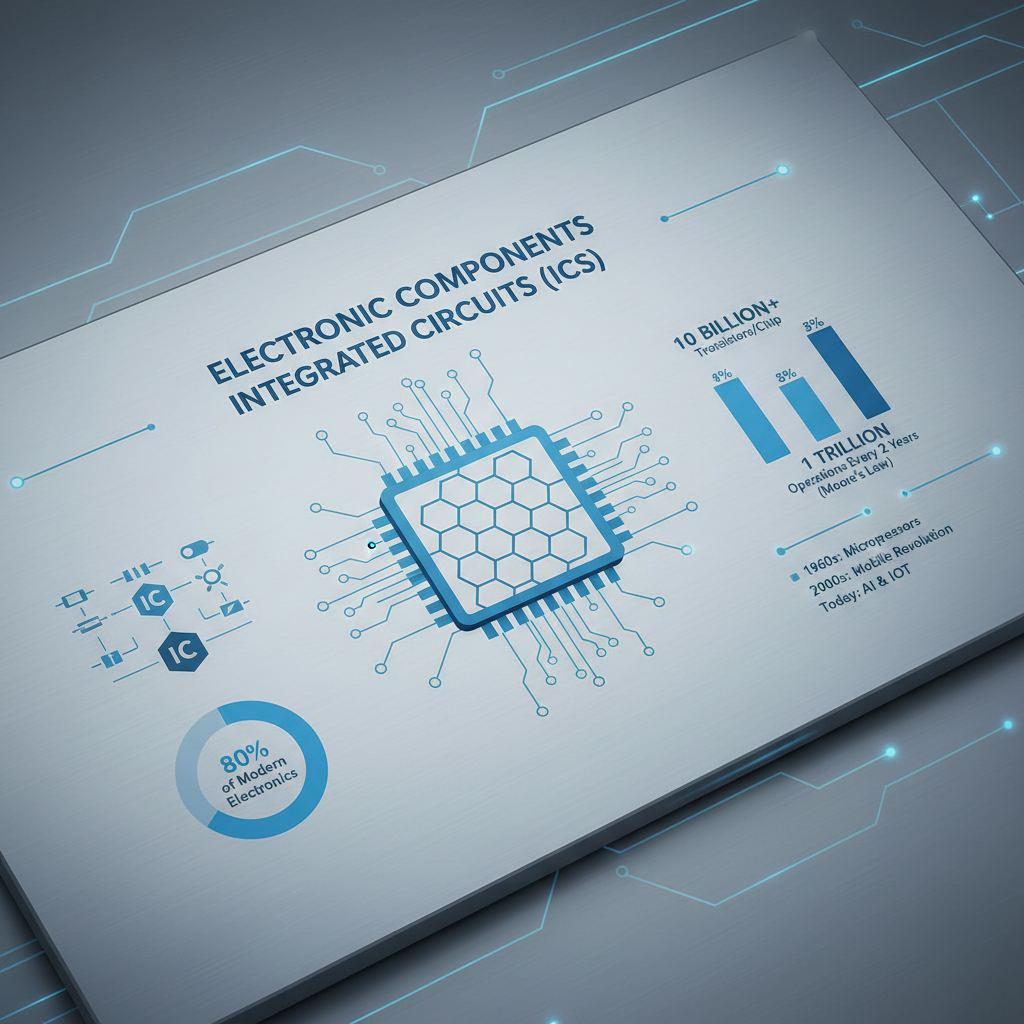
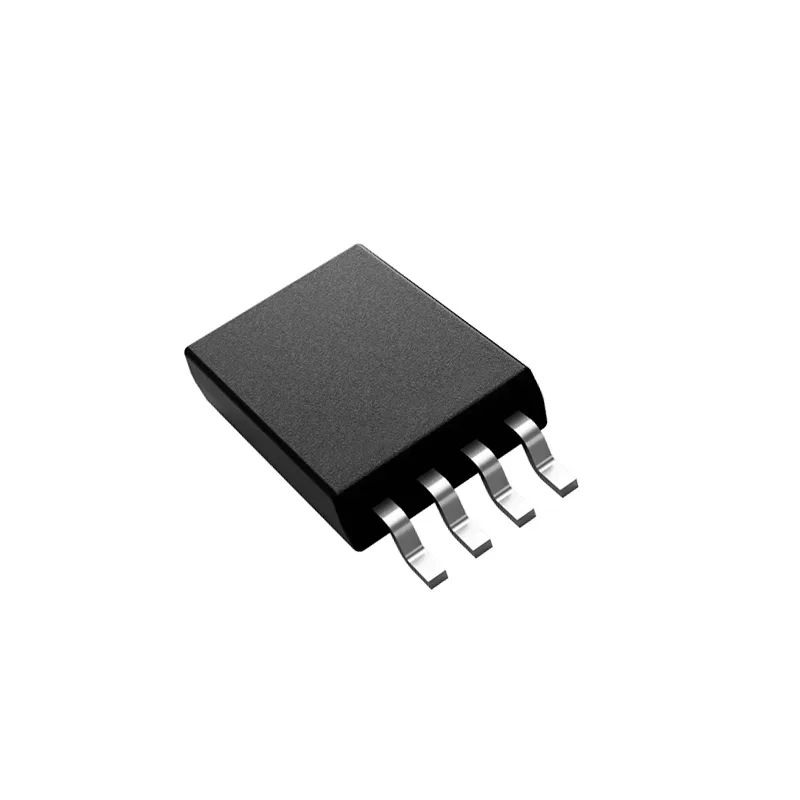
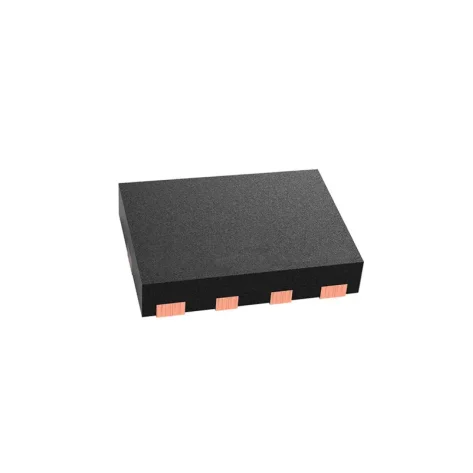
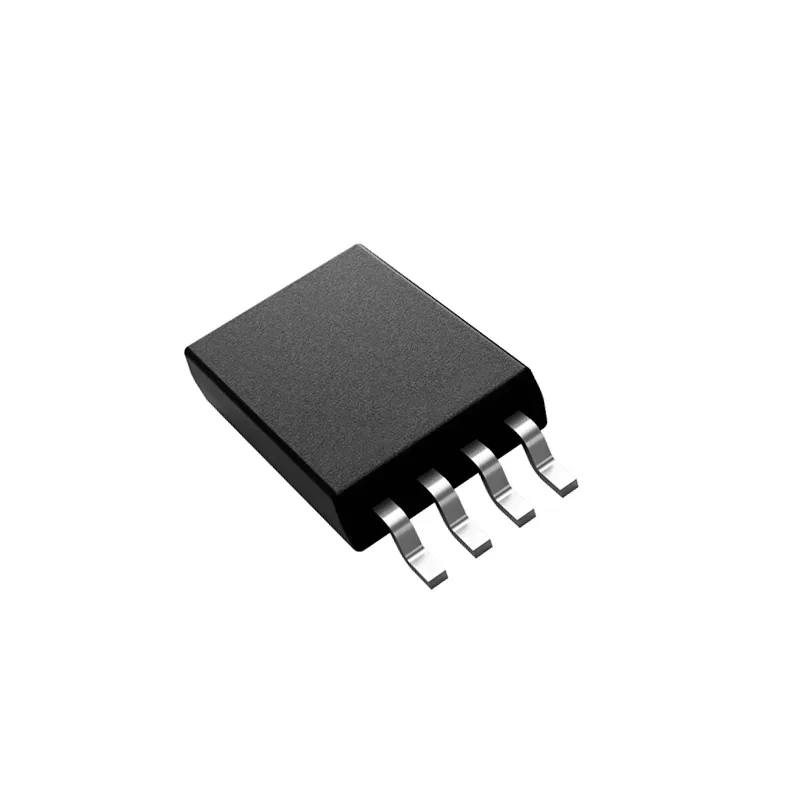
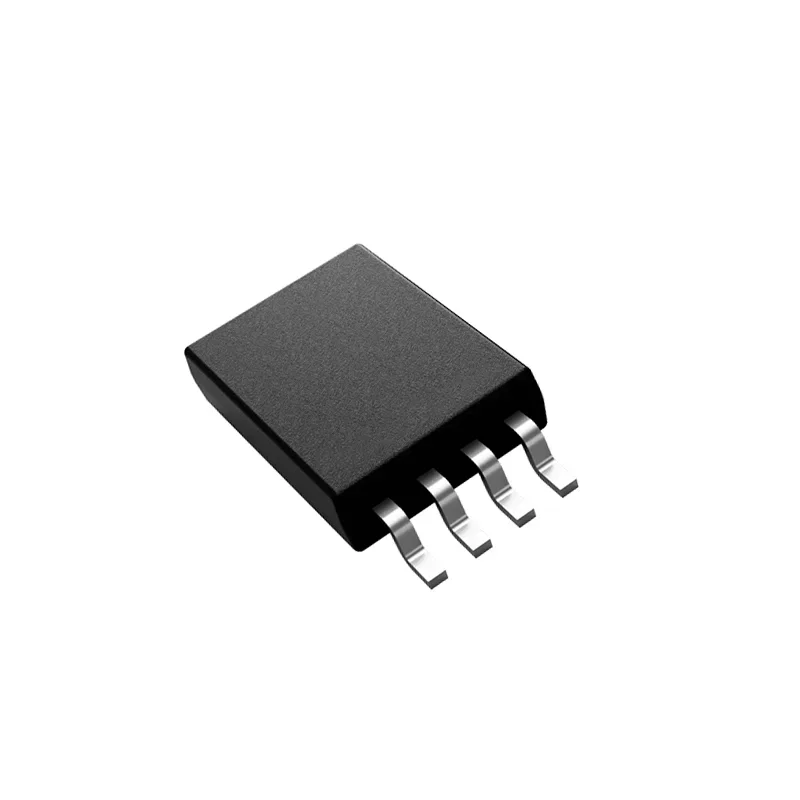
The modern digital landscape is fundamentally powered by main electronic component integrated circuits ics, which serve as the neural network for everything from simple household appliances to complex aerospace systems. These miniature powerhouses integrate thousands, or even billions, of transistors into a single chip, allowing for unprecedented computational power and efficiency. Understanding the nuances of these components is no longer just for engineers; it is a strategic necessity for any business operating in the hardware or IoT space.
Globally, the reliance on high-quality integrated circuits has surged as industries pivot toward automation and artificial intelligence. The ability to source reliable, high-performance main electronic component integrated circuits ics determines the speed of innovation and the stability of global supply chains. As we move toward a more connected world, the precision and durability of these semiconductor devices become the bedrock of societal infrastructure.
By exploring the diverse categories of ICs—ranging from ADC/DACs and Amplifiers to Microcontrollers and Sensors—companies can optimize their product architecture for better energy efficiency and lower production costs. Mastering the selection of the right main electronic component integrated circuits ics ensures that end-products are not only functional but also competitive in a market that demands higher speeds and smaller footprints.
Global Industry Context of Integrated Circuits
The global semiconductor market is a critical pillar of the modern economy, with main electronic component integrated circuits ics acting as the primary driver of growth. According to industry analysis and ISO standards for electronics, the shift toward Industry 4.0 has caused an exponential increase in demand for specialized ICs. This global reliance creates a high-stakes environment where a shortage of a single component can halt automotive production or delay the rollout of critical healthcare devices.
The challenge lies in the balance between extreme miniaturization and thermal stability. As we push the limits of Moore's Law, the industry faces the hurdle of maintaining signal integrity while reducing power consumption. This is where the strategic selection of integrated circuits becomes vital, as engineers must navigate a complex landscape of tradeoffs to ensure that their devices remain stable under fluctuating environmental conditions.
Defining the Role of ICs in Modern Tech
In the simplest terms, main electronic component integrated circuits ics are small wafers of semiconductor material—usually silicon—that house a complex assembly of electronic components like resistors, capacitors, and transistors. Instead of building a circuit using discrete parts on a large board, an IC integrates these functions into a single, microscopic package. This integration is what allows a smartphone to have the processing power of a 1990s supercomputer.
Beyond the technical definition, these components address a fundamental humanitarian need: the democratization of technology. By reducing the cost and size of electronics, ICs have enabled the creation of affordable medical diagnostics, low-cost educational tablets in remote regions, and efficient water management systems. They are the invisible engines that make modern life convenient, safe, and interconnected.
The connection to modern industry is absolute. Whether it is a Microcontroller managing a factory robot, a Logic Device handling data routing, or a Sensor monitoring air quality, these circuits translate physical phenomena into digital data. Without these main electronic component integrated circuits ics, the digital transformation of the global economy would be physically impossible.
Core Performance Factors for Selection
When sourcing main electronic component integrated circuits ics, durability is the first critical factor. In industrial environments, components must withstand extreme temperatures, humidity, and electrical noise. Selecting automotive-grade or industrial-grade ICs ensures that the device will not fail during a critical operation, thereby maintaining safety and operational continuity.
Scalability and integration density are equally paramount. As a product evolves from a prototype to a mass-market device, the ability to use main electronic component integrated circuits ics that combine multiple functions (such as an ADC and a Timer on one chip) reduces the overall PCB footprint. This not only lowers material costs but also simplifies the assembly process and reduces potential points of failure.
Finally, power efficiency and cost-effectiveness dictate the commercial viability of a product. With the rise of battery-operated IoT devices, selecting low-power main electronic component integrated circuits ics is non-negotiable. The goal is to achieve the highest possible performance-per-watt, ensuring that the device remains operational for years without requiring frequent battery replacements or excessive cooling systems.
Practical Applications Across Global Sectors
The application of main electronic component integrated circuits ics spans every imaginable sector. In the automotive industry, Interface ICs and Microcontrollers manage everything from engine timing to autonomous braking systems. In the healthcare sector, high-precision Amplifiers and ADC/DACs allow for the real-time monitoring of heart rates and neural activity, providing clinicians with life-saving data in seconds.
In remote industrial zones, such as offshore oil rigs or deep-mine operations, specialized Sensors and Relays are used to monitor structural integrity and automate safety shutdowns. These environments demand ICs that are not only high-performing but physically ruggedized. Similarly, in post-disaster relief operations, modular communication kits relying on Memory and Logic Devices allow NGOs to establish rapid emergency networks where traditional infrastructure has collapsed.
Efficiency Ratings of Various IC Implementations
Long-term Value and Strategic Advantages
Investing in high-tier main electronic component integrated circuits ics provides more than just technical specs; it offers long-term financial and operational stability. By utilizing components with proven longevity and wide availability, companies avoid the costly "end-of-life" (EOL) redesign cycles that plague those who choose obscure or low-quality parts. This reliability builds deep trust with the end customer, as products fail less frequently and maintain performance over years of use.
From a sustainability perspective, efficient ICs reduce the global carbon footprint by lowering energy consumption in data centers and consumer electronics. The logical advantage is clear: higher efficiency leads to lower operating costs. The emotional advantage is equally strong: knowing that your technology is safe, reliable, and ethically sourced provides a competitive edge in a market that increasingly values corporate responsibility and environmental stewardship.
Future Trends in Semiconductor Innovation
The future of main electronic component integrated circuits ics is leaning heavily toward Wide Bandgap (WBG) materials like Gallium Nitride (GaN) and Silicon Carbide (SiC). These materials allow ICs to operate at much higher voltages and temperatures than traditional silicon, which is a game-changer for electric vehicle (EV) fast-charging and renewable energy grids. We are moving toward a world where power electronics are smaller, cooler, and exponentially more efficient.
Furthermore, the integration of AI directly onto the chip—known as "Edge AI"—is transforming how sensors and microcontrollers operate. Instead of sending all data to the cloud, main electronic component integrated circuits ics can now process complex patterns locally. This reduces latency, enhances privacy, and allows for real-time decision-making in autonomous drones and medical implants.
Digital transformation is also driving the adoption of Chiplets—a modular approach to IC design. Instead of one giant monolithic chip, designers can combine smaller, optimized "chiplets" into a single package. This innovation drastically increases yields and allows for the customization of integrated circuits to meet the specific needs of niche industries without the exorbitant cost of full-custom fabrication.
Overcoming Implementation Challenges
One of the most persistent challenges in utilizing main electronic component integrated circuits ics is electromagnetic interference (EMI). As circuits become more densely packed and clock speeds increase, signal crosstalk can lead to data corruption and system instability. The solution lies in advanced PCB layout techniques and the use of integrated shielding within the IC packaging itself to maintain signal purity.
Supply chain volatility also remains a significant hurdle. The "chip shortage" of recent years highlighted the danger of relying on a single geographic source for critical components. To overcome this, forward-thinking companies are adopting a multi-vendor strategy and maintaining "strategic buffers" of essential main electronic component integrated circuits ics to ensure that production lines never go dark.
Lastly, the gap between hardware capability and software optimization often leads to underutilized ICs. To maximize the value of their hardware, developers must employ lean coding practices and utilize hardware-specific acceleration features. By aligning the software architecture with the physical strengths of the main electronic component integrated circuits ics, companies can unlock the true potential of their devices.
Technical Analysis of IC Categories and Performance Metrics
| IC Category | Primary Function | Critical Metric | Industrial Reliability (1-10) |
|---|
| Microcontrollers | System Control & Logic | Clock Speed (MHz) | 9 |
| ADC/DAC | Signal Conversion | Resolution (Bits) | 8 |
| Amplifiers | Signal Boosting | Gain/Bandwidth | 9 |
| Interface ICs | Communication | Data Rate (Gbps) | 7 |
| Sensors | Environmental Sensing | Sensitivity/Error | 10 |
| Logic Devices | Boolean Operations | Propagation Delay | 8 |
FAQS
When selecting main electronic component integrated circuits ics for high-heat areas, you must look for "Industrial" or "Automotive" grade certifications. These are typically rated for temperatures from -40°C to +125°C. Additionally, consider the thermal package of the IC; components with exposed pads or ceramic packaging dissipate heat more efficiently than standard plastic packages, preventing thermal throttling or permanent failure.
Analog ICs, such as Amplifiers and ADC/DACs, process continuous signals that vary in voltage or current, making them essential for sound or temperature sensing. Digital ICs, like Microcontrollers and Logic Devices, process discrete signals (0s and 1s), enabling complex computation and data storage. Most modern devices use "Mixed-Signal" main electronic component integrated circuits ics to bridge these two worlds.
It depends on the pin-to-pin compatibility and electrical specifications. While some logic devices are interchangeable, specialized components like Microcontrollers or high-precision Sensors usually require a firmware update or a PCB redesign if the alternative is not a direct "drop-in" replacement. We recommend verifying the datasheet of the main electronic component integrated circuits ics to ensure voltage levels and timing parameters match perfectly.
Integration reduces the "Bill of Materials" (BOM) by replacing multiple discrete components with a single IC. This lowers the cost of raw materials, reduces the size of the PCB, and minimizes the number of solder joints required during assembly. Fewer components also mean fewer points of failure, which reduces long-term warranty costs and increases the overall reliability of the main electronic component integrated circuits ics system.
The most common causes are Electrostatic Discharge (ESD), over-voltage spikes, and thermal stress. ESD can punch microscopic holes in the oxide layer of a chip, while overheating can cause "electromigration," where atoms physically move, breaking the circuit. Using proper decoupling capacitors and heat sinks around your main electronic component integrated circuits ics can significantly mitigate these risks.
While silicon remains the standard, research into organic semiconductors and biodegradable substrates is growing. However, the current "green" shift focuses on "Energy-Efficient Design"—creating main electronic component integrated circuits ics that require significantly less power to operate. This reduces the demand for batteries and lowers the overall energy consumption of the global digital infrastructure.
Conclusion
The strategic implementation of main electronic component integrated circuits ics is the cornerstone of modern technological advancement. From the precision of ADC/DACs to the intelligence of Microcontrollers, these components allow us to shrink the world's complexity into a palm-sized device. By focusing on durability, scalability, and power efficiency, manufacturers can create products that are not only high-performing but also sustainable and reliable in the face of global industrial challenges.
Looking ahead, the shift toward Wide Bandgap materials and Edge AI will redefine what is possible in hardware design. For businesses and engineers, the key to success lies in staying agile—adapting to new semiconductor materials and diversifying supply chains to ensure continuity. To explore a comprehensive range of high-quality components and optimize your next project, visit our website: www.ckxic.com.