Electrical and electronic components are the foundational building blocks of modern technology, quietly powering everything from smartphones and computers to life-saving medical equipment and complex industrial machinery. Their consistent evolution is intrinsically linked to advancements in nearly every sector, driving innovation and improving quality of life globally. Understanding these components – their functions, applications, and the trends shaping their development – is crucial for professionals, students, and anyone interested in the technological landscape.
The global market for electrical and electronic components is a multi-trillion dollar industry, projected to continue its robust growth trajectory due to increasing demand for consumer electronics, automotive systems, and industrial automation. This growth isn’t just about volume; it’s about increasingly sophisticated components, miniaturization, and specialized functionalities. Supply chain resilience, geopolitical factors, and sustainability concerns are significant challenges driving the need for diversified sourcing and innovative material science.
At its core, the importance of these components lies in their ability to control and manipulate electrical energy to perform specific tasks. From simple resistors to intricate microprocessors, each component plays a vital role in enabling the functionality we rely on daily. The ability to reliably source and utilize high-quality electrical and electronic components is therefore a cornerstone of economic progress and technological advancement.
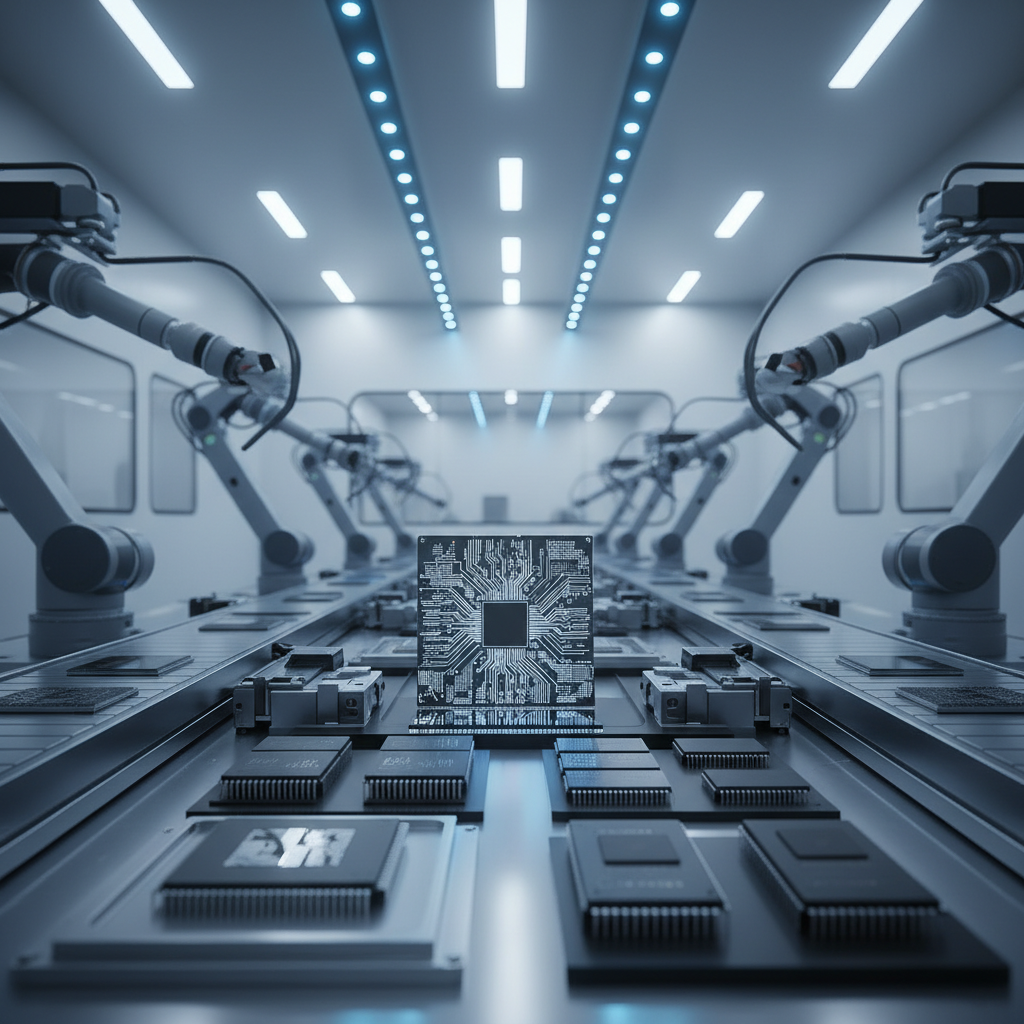
The Significance of Electrical and Electronic Components
The pervasiveness of electrical and electronic components in modern life is undeniable. They are the engines of innovation, enabling advancements in areas like renewable energy, advanced manufacturing, and healthcare. Without a reliable supply of quality electrical and electronic components, many of the technologies we take for granted would simply not exist.
Their strategic importance also extends to national security and economic competitiveness. Countries with strong domestic component manufacturing or reliable access to global supply chains are better positioned to lead in emerging technologies and maintain a robust industrial base. Understanding the nuances of these components is paramount for anyone involved in product development, supply chain management, or technological innovation.
Defining Electrical and Electronic Components
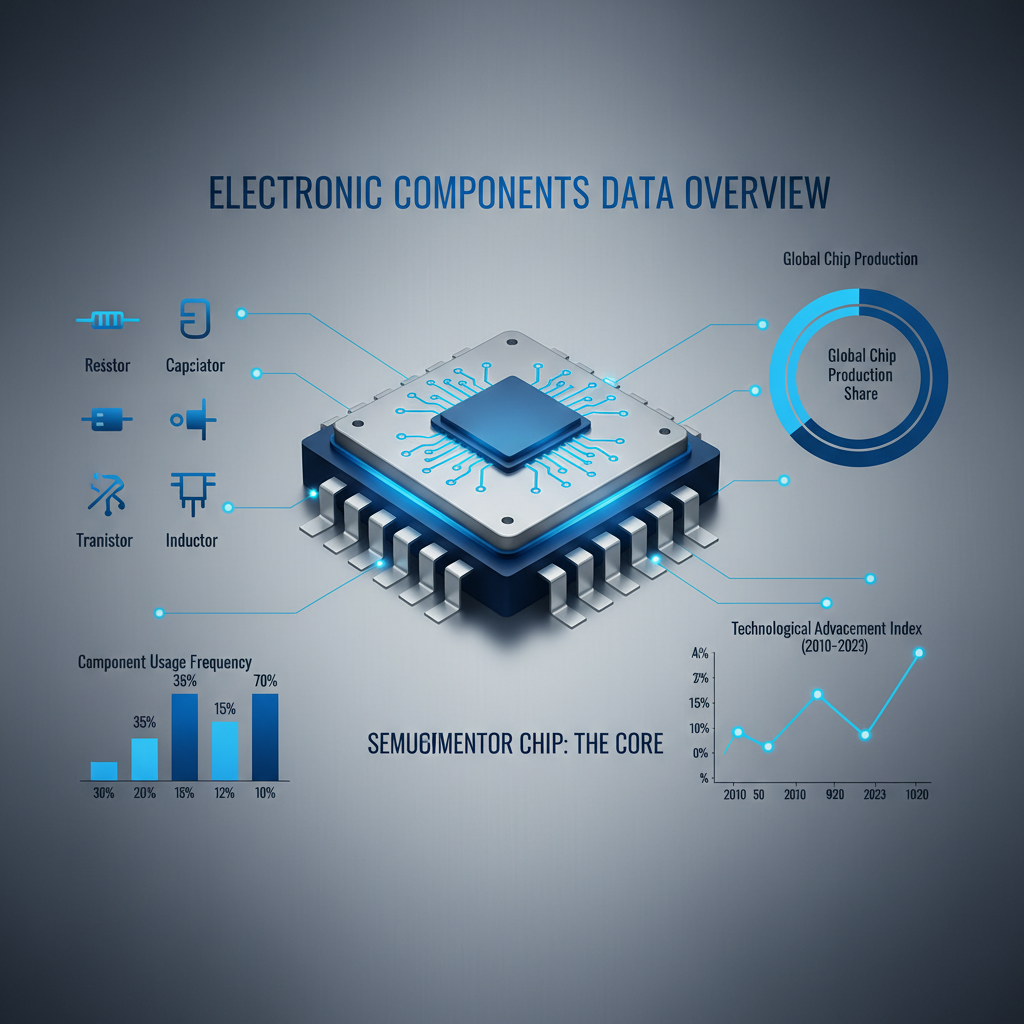
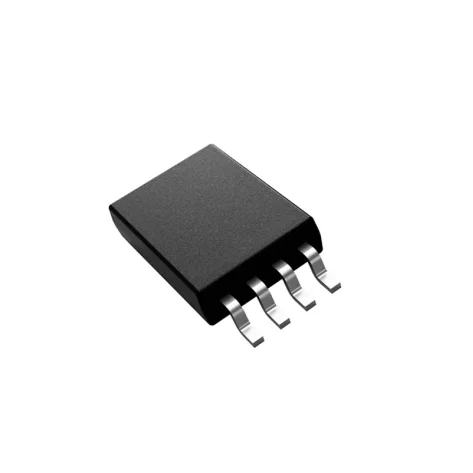
Electrical and electronic components are basic discrete active and passive elements used in electronic circuits. Electrical components manage the flow of electrical current and energy, while electronic components use that flow to process information or perform specific functions. This encompasses a broad range, from fundamental elements like resistors and capacitors to complex integrated circuits (ICs) and microcontrollers.
These components form the backbone of electronic devices and systems, translating energy into useful outputs. They are the building blocks of everything from simple circuits to sophisticated computer systems. The precision and reliability of these components directly impact the overall performance and longevity of the final product.
In essence, they bridge the gap between abstract electrical principles and tangible technological applications, driving progress in countless industries and fundamentally shaping our modern world. A reliable source for these vital parts, like electrical and electronic components suppliers, is critical for maintaining a smooth operational flow.
Key Characteristics of High-Quality Components
Several key characteristics define high-quality electrical and electronic components. Reliability is paramount; components must consistently perform to specifications over their intended lifespan. This is often influenced by material quality, manufacturing processes, and rigorous quality control measures.
Precision and accuracy are also crucial, especially in sensitive applications. Tolerance levels, measured in percentage deviation from the specified value, must be tightly controlled to ensure proper circuit functionality. Furthermore, components should exhibit minimal drift over temperature and time, maintaining consistent performance under varying conditions.
Finally, compliance with industry standards and certifications (e.g., RoHS, REACH) demonstrates a commitment to environmental responsibility and product safety. Choosing components that meet these standards ensures both operational performance and adherence to ethical and regulatory guidelines. A dependable vendor providing compliant electrical and electronic components is a significant asset.
Critical Factors in Component Selection
Selecting the right electrical and electronic components for a specific application requires careful consideration of several factors. Operating temperature is a primary concern, as exceeding the component's temperature rating can lead to premature failure. Similarly, voltage and current ratings must be appropriately matched to the circuit requirements to prevent damage.
The physical size and mounting style are also important, particularly in space-constrained designs. Component packaging and lead configurations need to be compatible with the PCB layout and assembly processes. Considering the cost-performance ratio is vital – balancing functionality, reliability, and affordability to optimize the overall system design.
Component Selection Importance
Global Applications and Industries Served
The applications of electrical and electronic components are virtually limitless, spanning across diverse industries. In the automotive sector, they power everything from engine control units to infotainment systems and advanced driver-assistance systems (ADAS). The aerospace industry relies heavily on high-reliability components for flight control, navigation, and communication systems.
Healthcare devices, including medical imaging equipment, patient monitoring systems, and life-support machines, depend on precise and dependable components. Industrial automation systems utilize components for motor control, process monitoring, and robotic applications. Even consumer electronics, such as smartphones, laptops, and televisions, rely on a vast array of specialized electrical and electronic components to function.
The Long-Term Value Proposition
Investing in high-quality electrical and electronic components delivers significant long-term value. Enhanced reliability translates to reduced downtime, lower maintenance costs, and increased product lifespan. Improved performance and accuracy contribute to greater efficiency and optimized system functionality.
Choosing components that adhere to sustainability standards minimizes environmental impact and promotes corporate social responsibility. Strong supplier relationships and secure supply chains mitigate risks and ensure consistent availability of critical components. Ultimately, prioritizing quality and long-term value fosters innovation and strengthens a company's competitive advantage.
Reliable access to quality components from distributors like electrical and electronic components suppliers is vital for maintaining operational continuity and reducing long-term costs.
Future Trends and Technological Horizons
The future of electrical and electronic components is being shaped by several key trends. Miniaturization continues to drive demand for smaller, more integrated components. The rise of artificial intelligence (AI) and machine learning (ML) is fueling the development of specialized processors and sensors.
Advancements in materials science are leading to the creation of new, high-performance components with improved thermal management and energy efficiency. The increasing focus on sustainability is driving demand for eco-friendly materials and manufacturing processes.
The continued adoption of wide-bandgap semiconductors (e.g., SiC, GaN) promises to enhance power efficiency and enable applications in electric vehicles and renewable energy systems. Staying ahead of these trends requires close collaboration with innovative electrical and electronic components suppliers.
Summary of Key Future Trends
| Trend Category | Key Drivers | Impact on Components | Expected Timeline |
|---|
| Miniaturization | Demand for smaller devices | Increased component density, advanced packaging | Ongoing |
| AI/ML Integration | Growth of AI-powered applications | Specialized processors, neural network accelerators | 2024-2030 |
| Materials Science | Need for improved performance | New semiconductors, advanced dielectrics | 2025-2035 |
| Sustainability | Environmental concerns | Eco-friendly materials, reduced energy consumption | Ongoing |
| Wide-Bandgap Semiconductors | Demand for higher efficiency | SiC, GaN devices for power applications | 2026-2030 |
| Advanced Packaging | Increased integration needs | 3D stacking, chiplets, fan-out wafer-level packaging | 2027-2035 |
FAQS
When choosing a supplier, prioritize reliability, quality certifications (like ISO 9001), and a proven track record. Evaluate their inventory levels, lead times, and ability to handle volume requirements. A strong supplier should also offer technical support, counterfeit protection measures, and adherence to industry compliance standards. Ensuring they stock a wide range of electrical and electronic components is also critical.
Mitigating counterfeit risk requires a multi-faceted approach. Source components directly from authorized distributors or reputable manufacturers. Implement robust inspection procedures, including visual checks and testing. Utilize component traceability systems and verify supplier credentials. Stay informed about current counterfeit threats and actively monitor for suspicious activity.
Component obsolescence is a significant challenge. As manufacturers discontinue older parts, it becomes increasingly difficult to source replacements. Proactive obsolescence management involves identifying at-risk components, developing alternative solutions (e.g., redesigns, replacements), and maintaining a buffer stock of critical parts. Careful planning is crucial to avoid costly production disruptions.
RoHS (Restriction of Hazardous Substances) and REACH (Registration, Evaluation, Authorization, and Restriction of Chemicals) restrict the use of certain hazardous materials in electronic products. Compliance with these regulations is mandatory for selling products in many regions. Choosing components that meet these standards ensures legal compliance and demonstrates a commitment to environmental responsibility.
A component kitting service assembles all the necessary components for a specific product into a single package, streamlining the manufacturing process. This reduces assembly time, minimizes errors, and simplifies inventory management. It is particularly beneficial for high-volume production runs and complex assemblies.
ESD can cause significant damage to sensitive electronic components, even without visible signs. Implementing proper ESD protection measures, such as using grounded workstations, ESD-safe packaging, and wearing wrist straps, is crucial to prevent damage during handling, storage, and assembly. Failure to do so can lead to component failure and reduced product reliability.
Conclusion
Electrical and electronic components are the invisible engines driving innovation across countless industries. Their continued development and reliable sourcing are critical for sustaining technological advancement, economic growth, and improving quality of life. Understanding the key characteristics, applications, and emerging trends in this field is paramount for professionals and organizations seeking to remain competitive.
Looking ahead, prioritizing sustainability, embracing new materials, and forging strong relationships with trusted suppliers will be essential for navigating the evolving landscape of electrical and electronic components. Investing in quality, reliability, and long-term value is not just a strategic imperative—it’s a foundation for a more innovative and sustainable future.