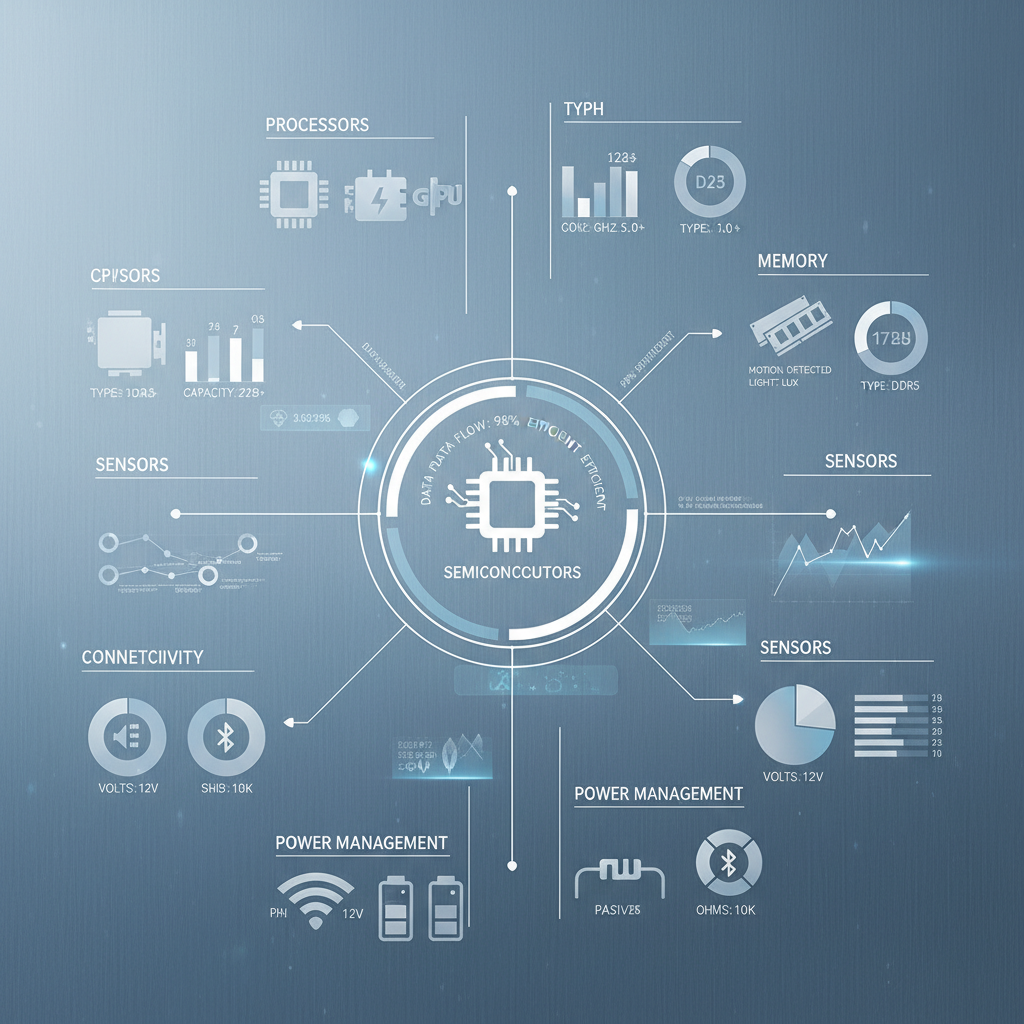
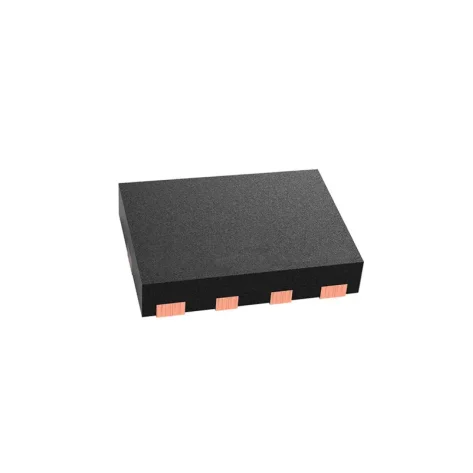
The world of electronics is fundamentally built upon a diverse array of different electronic components. From the smartphones in our pockets to the complex machinery driving modern industry, these components are the building blocks of innovation and progress. Understanding their function, application, and evolution is crucial for professionals, hobbyists, and anyone seeking to comprehend the technological landscape shaping our lives. The increasing demand for sophisticated electronic devices is driving a continuous need for advancements in component design, manufacturing, and integration, making this a perpetually evolving and critically important field.
The global electronic components market is a multi-billion dollar industry, experiencing sustained growth fueled by expanding sectors like automotive, aerospace, healthcare, and consumer electronics. According to recent reports, the market is projected to reach over \$800 billion by 2028. This growth is not only driven by increased demand but also by the constant push for miniaturization, improved performance, and greater energy efficiency. A critical challenge within this industry is maintaining supply chain resilience, as evidenced by recent global shortages, highlighting the need for diversification and strategic sourcing of different electronic components.
Successfully navigating this landscape requires a deep understanding of the diverse types of electronic components available and their respective capabilities. From passive components like resistors and capacitors to active components like transistors and integrated circuits, the possibilities are vast. This knowledge is vital for designing, developing, and maintaining the electronic systems that power our world, ensuring reliability, performance, and cost-effectiveness in a rapidly changing technological environment.
The Foundation of Modern Electronics
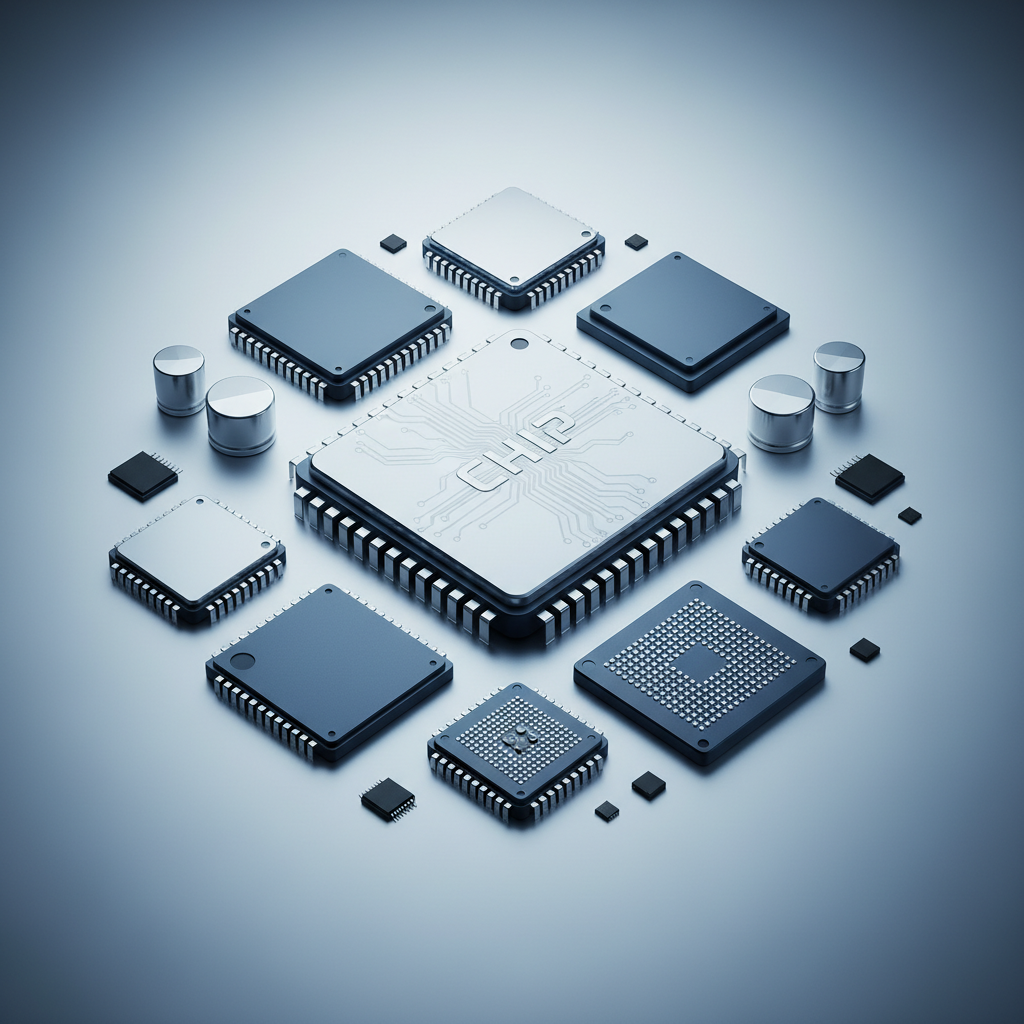
Different electronic components form the bedrock of nearly every technological advancement we see today. They’re not merely parts; they’re the engines driving innovation in communication, computation, control, and countless other areas. The ability to select the right components for a specific application directly impacts the performance, reliability, and cost-effectiveness of the final product. This importance extends to both large-scale industrial applications and the creation of everyday consumer devices.
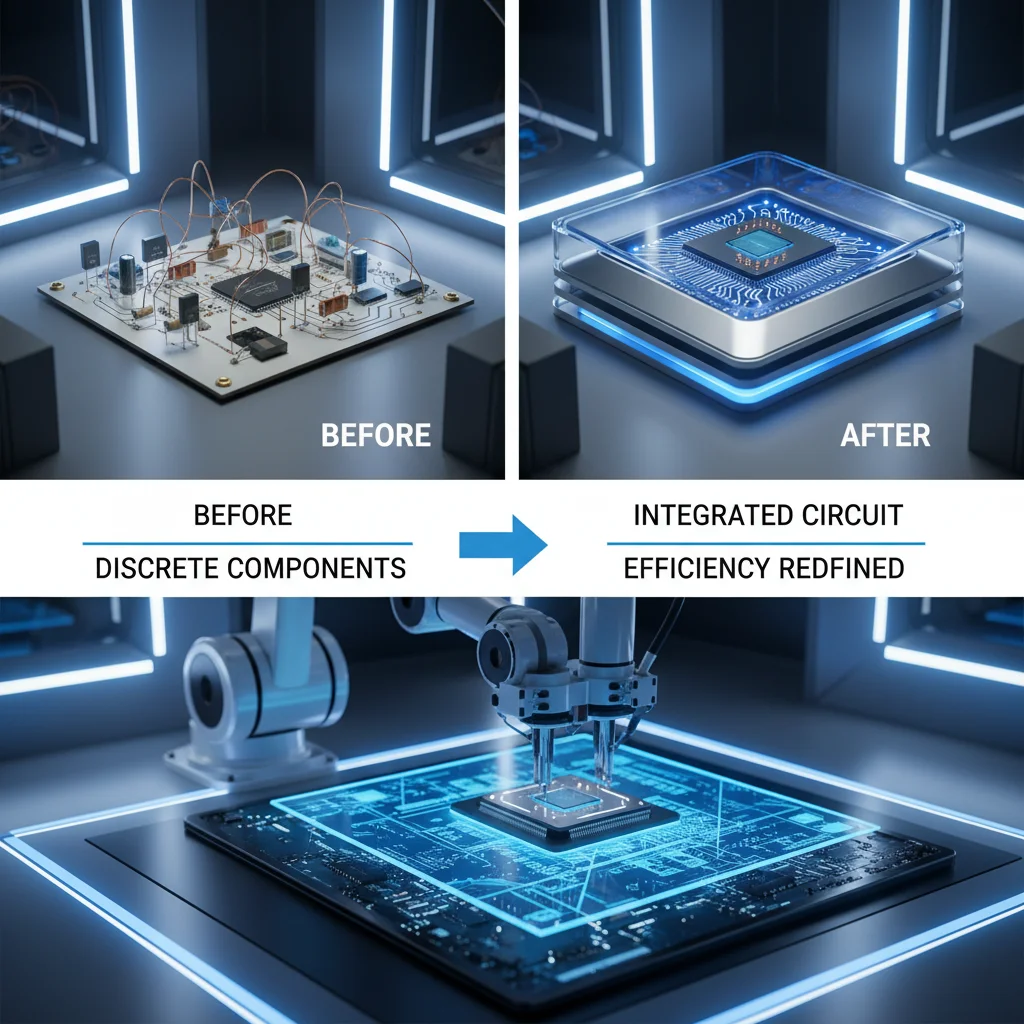
The evolution of these components has been remarkable, from the bulky vacuum tubes of the early 20th century to the incredibly miniaturized and powerful integrated circuits of today. This progress has been fueled by constant research and development in materials science, semiconductor technology, and manufacturing processes. Understanding this historical trajectory is key to appreciating the current state of the art and anticipating future advancements in different electronic components.
Defining Different Electronic Components
At their most basic, electronic components are the fundamental discrete building blocks used to create electronic circuits. They exhibit specific electrical characteristics and perform designated functions within a larger system. These components can be broadly categorized into active and passive types. Active components, like transistors and integrated circuits, require an external power source to operate and can amplify or switch electronic signals. Passive components, such as resistors, capacitors, and inductors, do not require external power and instead modify or store electrical energy.
The selection of different electronic components is intricately linked to the intended application. For example, a high-frequency communication system requires components with characteristics optimized for minimal signal loss at those frequencies, while a power supply demands components capable of handling high voltages and currents. This interconnectedness highlights the necessity for a holistic understanding of circuit design and component behavior.
Ultimately, these components act as the interface between abstract circuit designs and the physical reality of electronic systems. They transform theoretical concepts into tangible functionality, enabling the devices and technologies that define our modern world. Their accurate definition and understanding are crucial for effective design, troubleshooting, and maintenance.
Core Characteristics of Electronic Components
Several key characteristics define the performance and suitability of different electronic components. One crucial aspect is reliability, which refers to the component's ability to consistently perform its intended function over a specified period and under defined conditions. This is often quantified by metrics like Mean Time Between Failures (MTBF). Another key characteristic is tolerance, representing the permissible deviation from the component’s stated value.
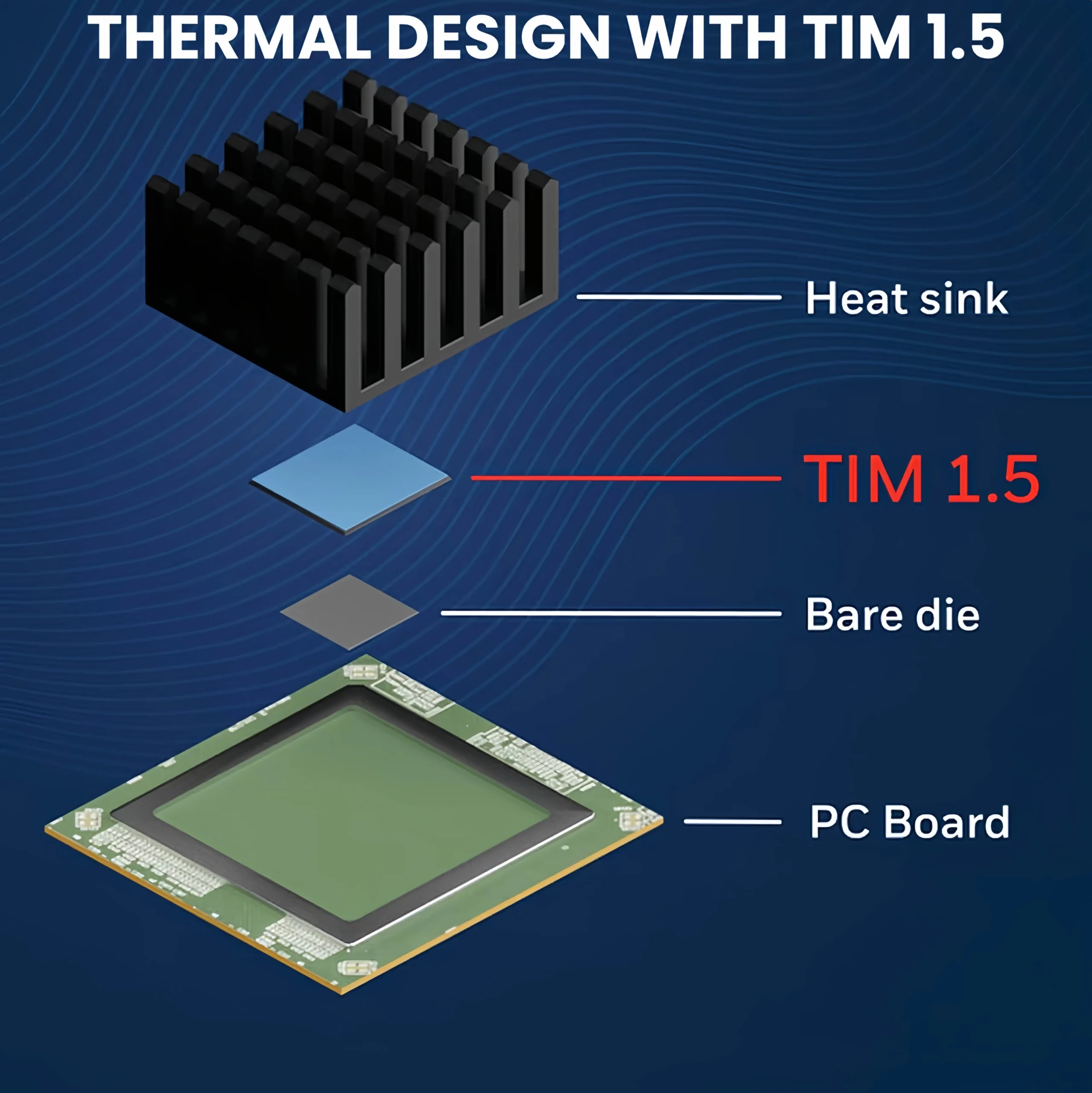
Power dissipation is also critical, particularly in densely packed circuits. Components generate heat during operation, and excessive heat can lead to performance degradation or failure. Closely related to power dissipation is thermal resistance, which describes the component’s ability to transfer heat away from its active elements. Furthermore, operating temperature range dictates the environmental conditions under which a component will function reliably.
Finally, frequency response defines how a component behaves at different signal frequencies, essential for high-speed applications. These characteristics are all interconnected, and optimizing for one often requires trade-offs in others, creating a complex design challenge for engineers selecting different electronic components.
Global Applications and Industry Impact
The applications of different electronic components are virtually limitless, spanning nearly every sector of the global economy. In the automotive industry, they are integral to engine control units, anti-lock braking systems, and infotainment systems, driving advancements in safety, efficiency, and comfort. The aerospace sector relies on high-reliability components for flight control, navigation, and communication systems, where failure is not an option.
Healthcare utilizes electronic components in medical imaging equipment, patient monitoring devices, and implantable technologies, improving diagnostics, treatment, and quality of life. Consumer electronics, from smartphones and televisions to computers and gaming consoles, are entirely dependent on these components for their functionality and performance. In remote industrial zones, robust and reliable components ensure the uninterrupted operation of critical infrastructure and manufacturing processes.
The impact extends beyond direct application. Advancements in component technology drive innovation in fields like renewable energy, enabling more efficient solar panels and wind turbines. In post-disaster relief operations, readily available and durable components are essential for establishing communication networks and providing emergency power. The global reach and diverse applications of these components underscore their fundamental importance to modern society.
Component Selection Preference by Industry
Advantages and Long-Term Value Proposition
Investing in high-quality different electronic components offers significant advantages beyond immediate functionality. From a cost perspective, durable components reduce the frequency of replacements, lowering long-term maintenance expenses. Sustainability is also enhanced through reduced waste and improved energy efficiency, particularly with components designed for low power consumption.
The social impact of reliable electronic systems is profound, especially in critical applications like healthcare and infrastructure. The psychological benefits of safe and reliable technology cannot be understated, fostering trust and confidence in the products we rely on daily. Furthermore, innovation in component technology drives economic growth and creates new opportunities.
Future Trends and Innovation in Components
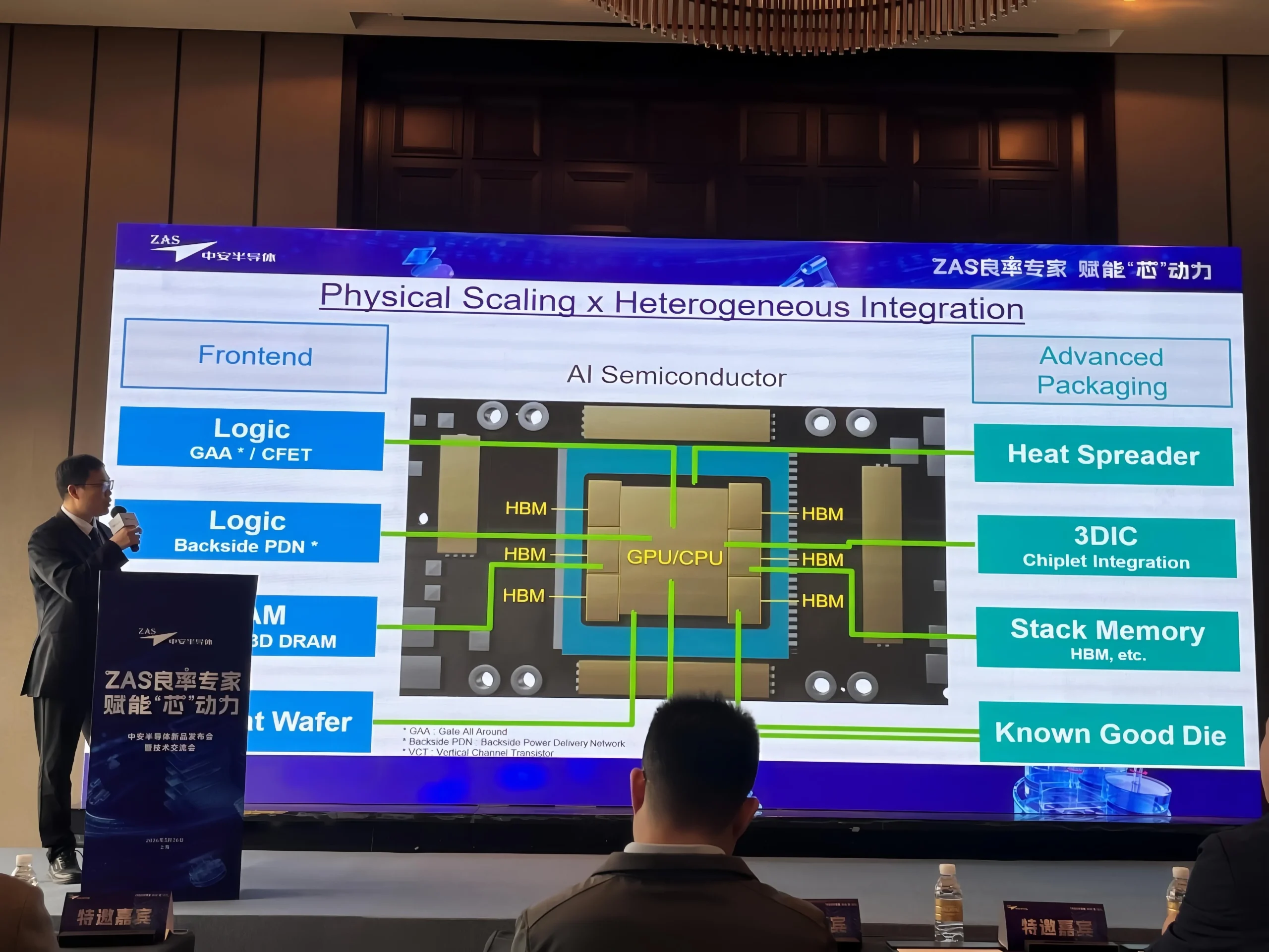
The future of electronic components is marked by several key trends. Miniaturization continues to be a primary focus, with research into nanotechnology and advanced packaging techniques enabling ever-smaller and more powerful components. The development of new materials, such as graphene and other 2D materials, promises improved performance and efficiency.
Artificial intelligence and machine learning are playing an increasing role in component design and optimization, allowing for the creation of components tailored to specific applications. Furthermore, the demand for sustainable and environmentally friendly components is driving research into biodegradable materials and energy-efficient designs. Digital transformation heavily relies on the advances of different electronic components.
The integration of components with sensors and communication capabilities is leading to the development of "smart" components that can monitor their own performance and provide valuable data for predictive maintenance and optimization. These innovations are poised to revolutionize industries and create entirely new possibilities.
Overcoming Challenges in Component Selection & Usage
Despite advancements, several challenges remain in the field of electronic components. Supply chain disruptions, as experienced recently, can lead to shortages and price volatility. Counterfeit components pose a significant risk to product reliability and safety. Ensuring compatibility between components from different manufacturers can also be a complex task.
Addressing these challenges requires a proactive approach, including diversifying sourcing, implementing robust quality control measures, and utilizing component lifecycle management tools. Collaboration between manufacturers, designers, and end-users is crucial for identifying and mitigating potential risks. Thorough testing and validation are also essential to ensure the reliability and performance of different electronic components.
Adopting standardized testing procedures, promoting transparency in the supply chain, and fostering innovation in component authentication technologies are all vital steps towards building a more resilient and trustworthy ecosystem.
Key Comparison Metrics for Common Component Types
| Component Type | Typical Cost (USD) | Operating Voltage Range | Typical Failure Rate (MTBF Hours) |
|---|
| Resistors | $0.01 - $0.50 | 0V - 1000V | 500,000 |
| Capacitors | $0.05 - $2.00 | 0V - 50V | 200,000 |
| Transistors | $0.10 - $5.00 | 1V - 100V | 100,000 |
| Diodes | $0.02 - $1.00 | 0V - 200V | 300,000 |
| Integrated Circuits | $1.00 - $50.00+ | 1.8V - 12V | 80,000 |
| Microcontrollers | $2.00 - $20.00+ | 1.8V - 5V | 60,000 |
FAQS
When choosing different electronic components for high-temperature applications, prioritize components with a wide operating temperature range, high thermal stability, and robust packaging. Consider derating components to operate below their maximum ratings to enhance reliability. Look for components specifically designed for high-temperature environments, such as those utilizing ceramic or specialized polymer materials. Proper heat sinking and thermal management techniques are also essential.
Mitigating the risk of counterfeit components requires a multi-faceted approach. Source components only from authorized distributors and reputable manufacturers. Implement rigorous quality control procedures, including visual inspection, electrical testing, and component traceability. Verify the authenticity of components using manufacturer-provided tools and databases. Consider establishing a strong relationship with your suppliers to ensure a secure supply chain.
Through-hole technology involves inserting component leads into drilled holes on a PCB and soldering them in place, offering higher mechanical strength. Surface-mount technology (SMT) involves mounting components directly onto the PCB surface, enabling higher component density and automated assembly. SMT is generally preferred for mass production, while through-hole might be used for prototyping or high-reliability applications.
The power dissipation rating of a resistor must be greater than the maximum power it will dissipate in the circuit. Calculate the power dissipation using the formula P = I²R, where I is the current flowing through the resistor and R is its resistance. Always derate the resistor's power rating to account for environmental factors and ensure long-term reliability. Consider using a resistor with a higher power rating than theoretically required.
Electrostatic discharge (ESD) is a significant threat to sensitive electronic components. Common causes include handling components in static-prone environments, improper grounding, and rapid changes in humidity. To prevent ESD damage, use ESD-safe workstations, grounding straps, and conductive packaging. Handle components carefully and avoid touching their pins directly. Implementing an effective ESD control program is crucial.
Component datasheets are absolutely critical for the safe and effective use of different electronic components. They provide detailed information about the component's specifications, operating conditions, electrical characteristics, and limitations. Always consult the datasheet before using a component to ensure it meets your application requirements and to avoid potential damage or malfunction. Understanding the datasheet is fundamental to sound electronic design.
Conclusion
In conclusion, different electronic components are the invisible engines driving technological progress across the globe. From their foundational role in modern electronics to their application in diverse industries and future potential, understanding these components is vital for innovation and advancement. By focusing on key characteristics like reliability, thermal management, and sustainability, and proactively addressing challenges such as supply chain disruptions and counterfeiting, we can unlock the full potential of these essential building blocks.
Looking ahead, continued investment in research and development, coupled with a commitment to collaboration and standardization, will be critical for shaping the future of electronic components. By embracing emerging technologies and prioritizing environmentally responsible practices, we can ensure that these components continue to power a more sustainable, efficient, and interconnected world. Visit our website at www.ckxic.com to explore our comprehensive range of electronic components and solutions.