The modern technological landscape is fundamentally built upon the evolution of devices with integrated circuit, which have transitioned from luxury scientific instruments to the invisible heartbeat of every digital interaction. By condensing millions of transistors and components into a single semiconductor wafer, these devices have enabled the miniaturization of electronics, driving efficiency across automotive, medical, and industrial sectors. Understanding the architecture of these circuits is no longer just for engineers; it is essential for any business scaling its hardware capabilities in an era of rapid digitization.
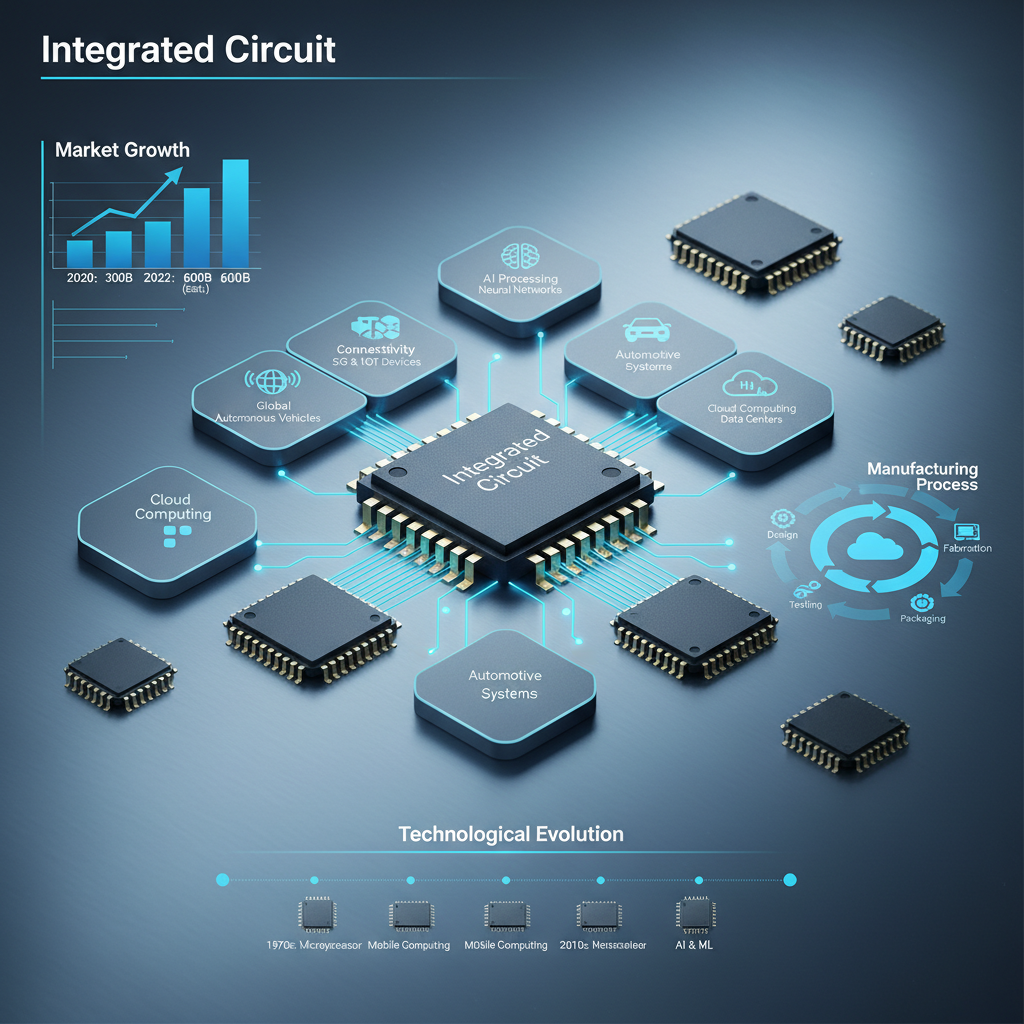
Globally, the demand for high-performance devices with integrated circuit has surged as we enter the age of AI and the Internet of Things (IoT). The ability to process vast amounts of data in real-time, while maintaining a low power profile, is the primary driver behind the current semiconductor boom. From the simple logic gates in a microwave to the complex System-on-Chip (SoC) in a smartphone, the integration of circuitry has redefined what is computationally possible.
For manufacturers and procurement specialists, the challenge lies in navigating the complexity of various IC categories—ranging from ADC/DACs to Microcontrollers—to ensure optimal system reliability. Selecting the right integrated circuit devices requires a balance between thermal management, power consumption, and signal integrity. This guide explores the depths of these components, offering a comprehensive look at how integrated circuits empower the next generation of electronic innovation.
The Global Impact of Integrated Circuit Integration
The proliferation of devices with integrated circuit has triggered a global industrial shift, moving the world from mechanical dependency to silicon-based intelligence. According to industry standards and market data, the semiconductor sector serves as the foundational layer for nearly every ISO-certified electronic product today. The ability to integrate diverse functions—such as amplification, timing, and memory—into a single package has reduced the physical footprint of technology while exponentially increasing its processing power.
This integration is not merely a technical achievement but a geopolitical and economic catalyst. The reliance on precise fabrication processes means that the quality of integrated circuit devices directly affects the stability of global supply chains, from automotive ECU production to the deployment of 5G infrastructure. As we strive for greater automation, the synergy between discrete components and integrated systems becomes the primary bottleneck for innovation.
Defining the Architecture of Integrated Circuit Devices
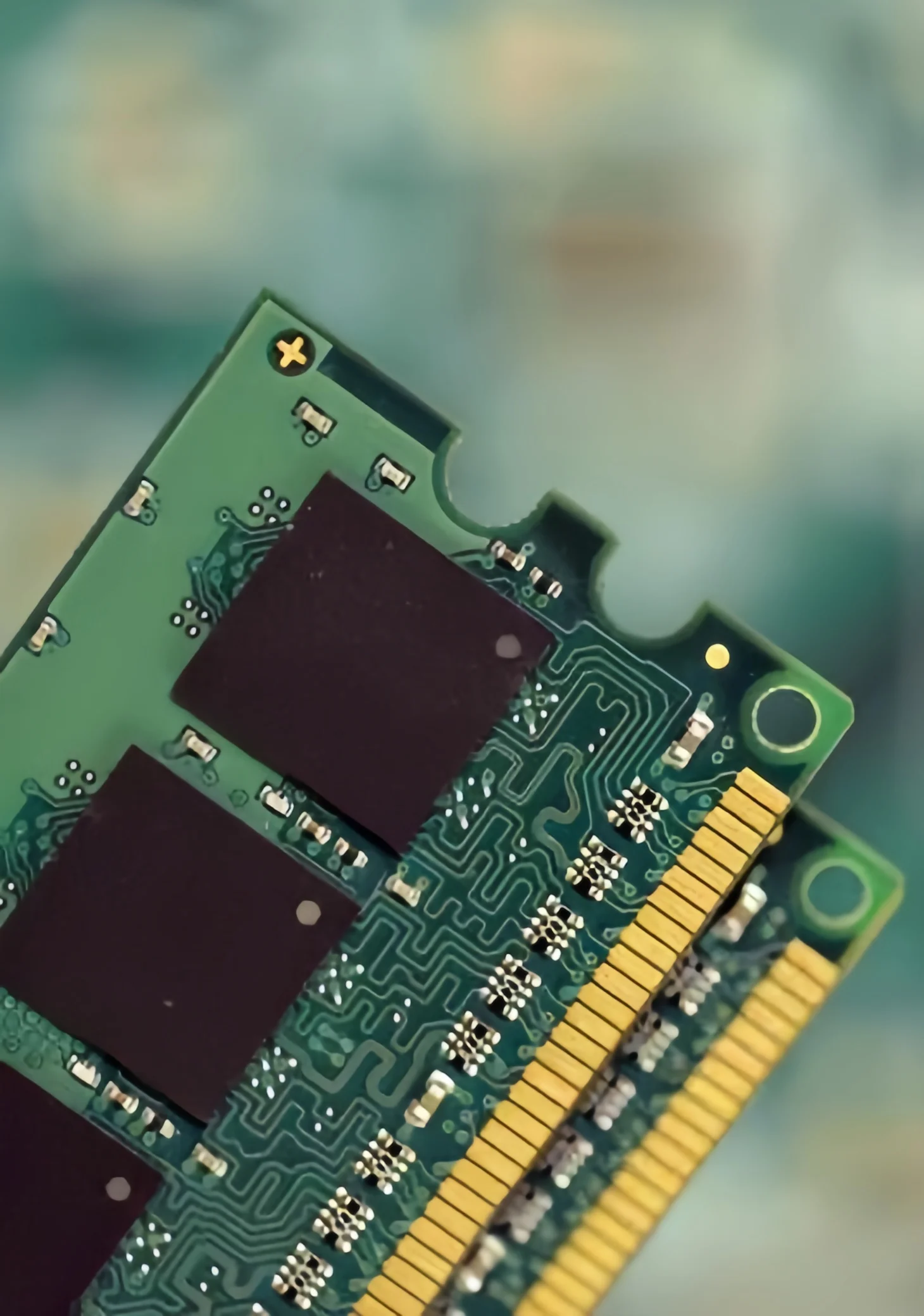
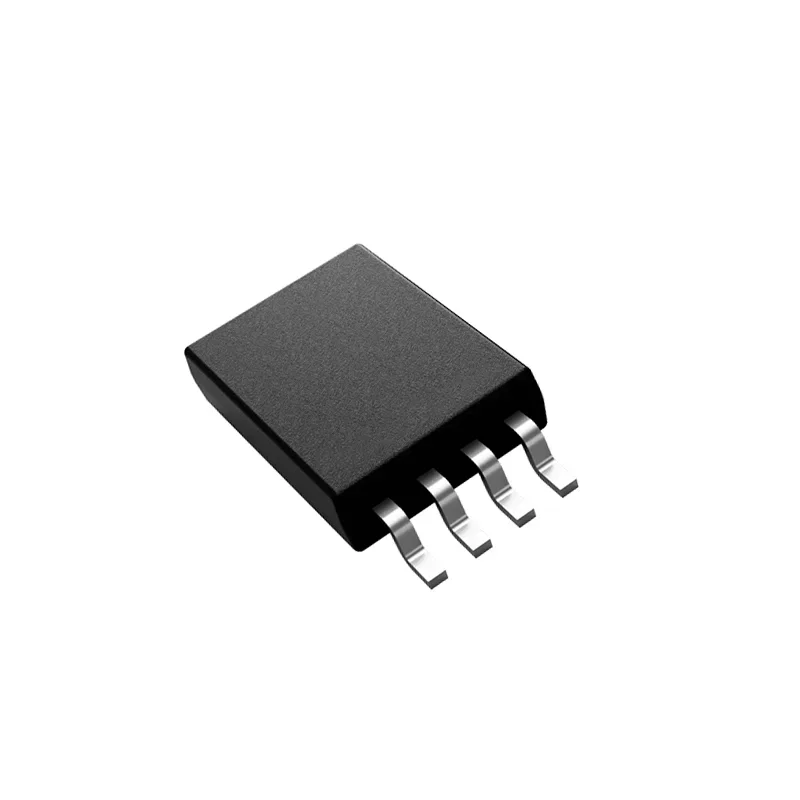
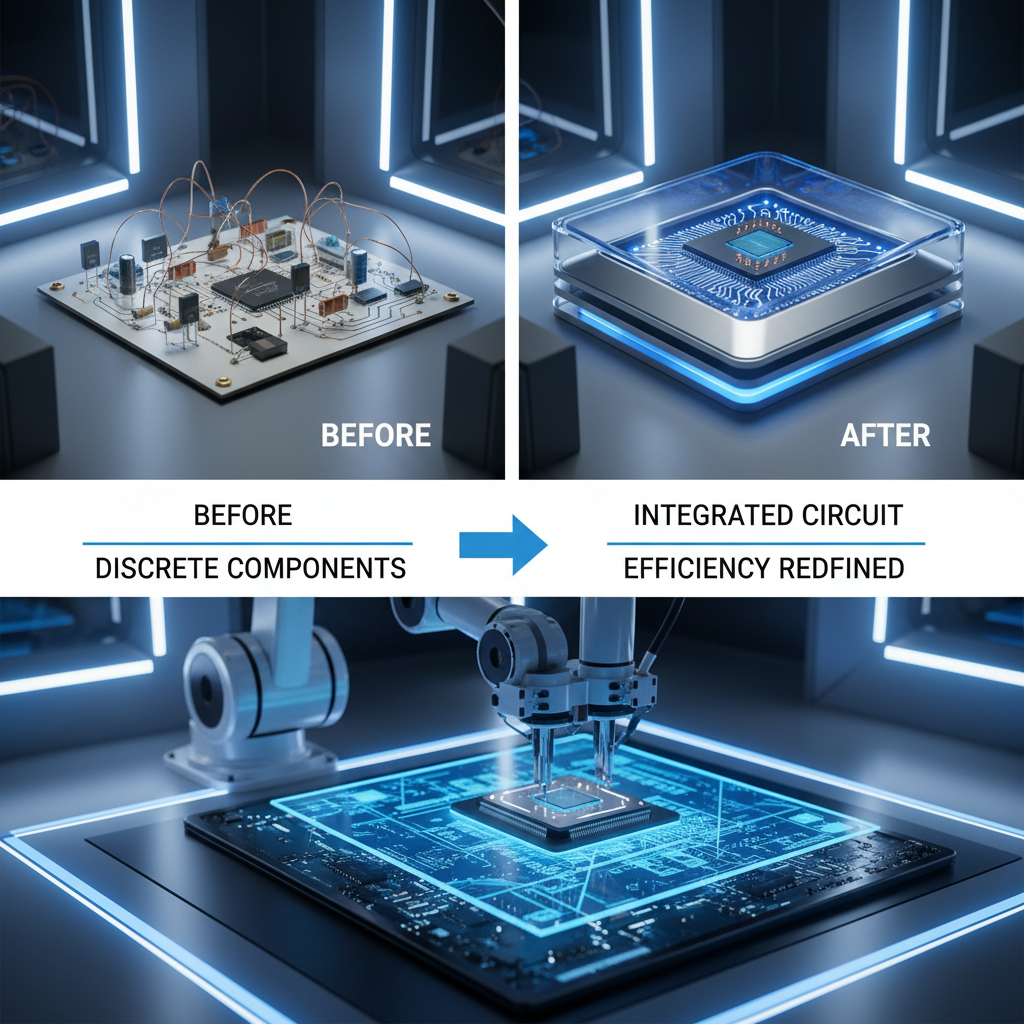
At its most fundamental level, devices with integrated circuit are semiconductor wafers—usually silicon—that have been etched with an intricate network of resistors, capacitors, and transistors. Unlike discrete circuits, where each component is soldered individually, an integrated circuit (IC) embeds these elements into a single monolithic block. This architecture eliminates the need for extensive wiring, drastically reducing signal propagation delay and increasing the overall reliability of the system.
These devices are generally categorized by their function: Analog ICs handle continuous signals (like Amplifiers and ADC/DACs), Digital ICs process binary data (like Logic Devices and Microcontrollers), and Mixed-Signal ICs combine both. This versatility allows engineers to design highly specialized tools that can interface between the physical analog world and the digital processing environment, making them indispensable for modern sensors and communication modules.
From a humanitarian perspective, the democratization of these components has enabled the creation of low-cost medical diagnostics and affordable communication tools in developing regions. By reducing the cost per function, integrated circuit technology has transformed complex laboratory equipment into handheld devices, bringing essential healthcare and connectivity to remote industrial zones and disaster-stricken areas.
Core Performance Drivers in IC Design
When evaluating devices with integrated circuit, the first critical factor is Power Efficiency. In the era of mobile computing and wearable tech, the ability of an IC to maintain high performance while minimizing leakage current is paramount. This is achieved through advanced lithography and the use of materials like Gallium Nitride (GaN) or Silicon Carbide (SiC) in power-focused applications.
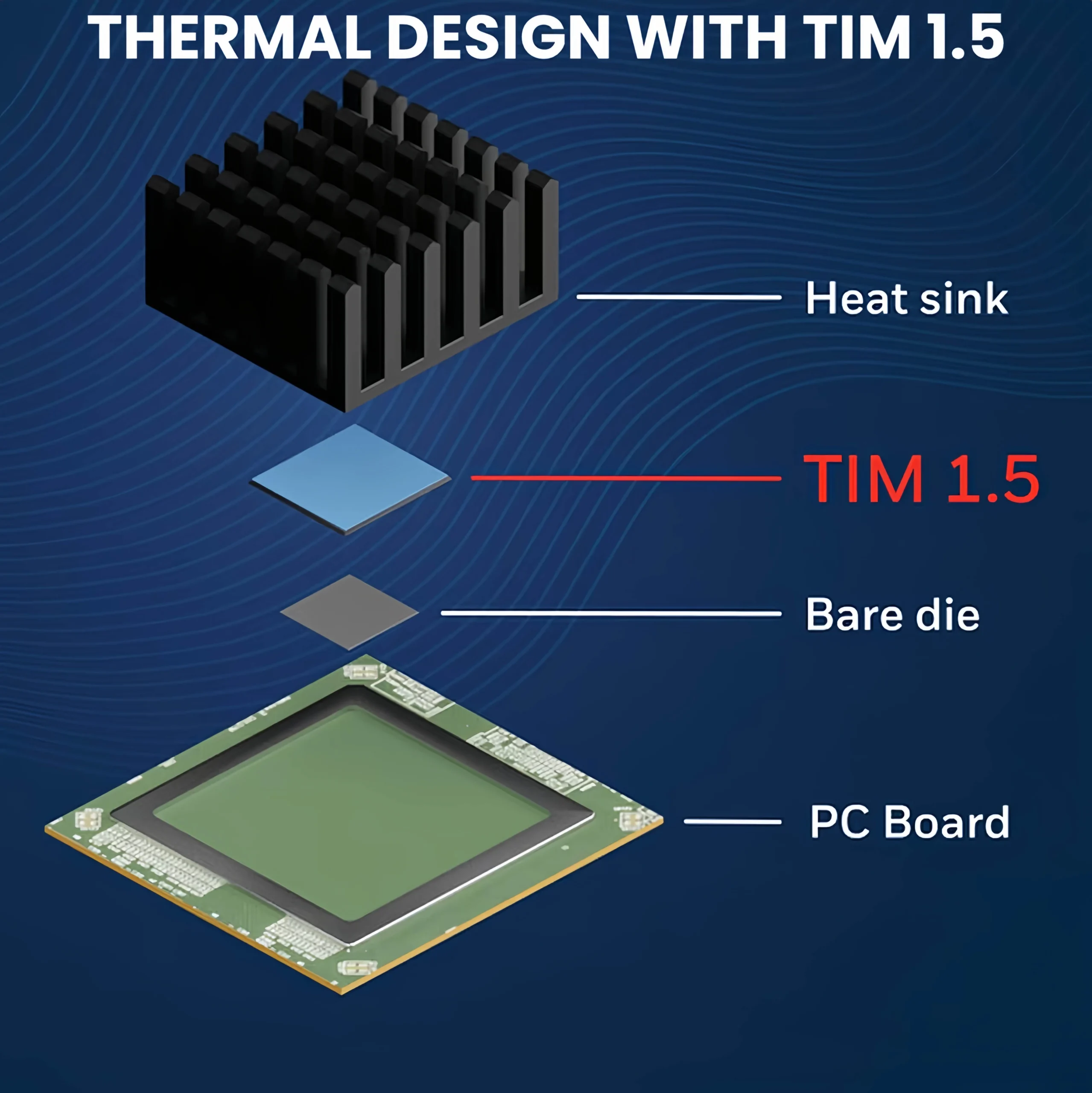
Thermal Stability represents another pillar of excellence. Because integrated circuits pack millions of components into a tiny area, heat dissipation becomes a primary failure point. High-quality devices utilize advanced packaging techniques and thermal vias to ensure that the silicon remains within a safe operating temperature, preventing thermal throttling and extending the lifespan of the hardware.
Signal Integrity and Noise Immunity are the final core drivers. For devices dealing with sensitive data—such as high-precision ADC/DACs or Clocks & Timers—the ability to reject electromagnetic interference (EMI) is vital. Engineers prioritize low-noise architectures and shielded packaging to ensure that the integrated circuits provide a clean, accurate output even in electrically "noisy" industrial environments.
Scalability and Efficiency Metrics
Scalability in the context of devices with integrated circuit refers to the ease with which a design can be adapted for different performance tiers without a complete redesign. Modular IC architectures allow manufacturers to scale from low-power sensors to high-performance computing modules by adjusting the gate density and clock speeds, ensuring that the product line can meet various market demands efficiently.
Moreover, the efficiency of these devices is measured not just by speed, but by the "performance-per-watt" ratio. This metric is crucial for data centers and automotive systems where energy waste translates directly into increased cooling costs or reduced battery range. By optimizing the internal logic of the integrated circuit, developers can achieve higher throughput without exceeding the thermal envelope of the device.
Comparative Performance Metrics of Integrated Circuit Categories
Global Industrial Applications and Use Cases
In the realm of automotive engineering, devices with integrated circuit are the foundation of the transition to Electric Vehicles (EVs). From the high-voltage power management in battery systems to the complex logic in ADAS (Advanced Driver Assistance Systems), ICs enable the real-time processing of sensor data to ensure passenger safety. For instance, in autonomous braking systems, an integrated circuit must process lidar and radar inputs in milliseconds to trigger a mechanical response.
Beyond transportation, these devices are critical in remote industrial zones, where ruggedized ICs monitor pipeline integrity or manage power grids. In post-disaster relief operations, lightweight communication modules powered by low-power integrated circuits allow NGOs to establish emergency networks in areas where traditional infrastructure has collapsed. These use cases highlight the transition of ICs from mere "components" to critical infrastructure for human safety and industrial continuity.
Strategic Value and Long-Term Reliability
The long-term value of investing in high-grade devices with integrated circuit manifests in reduced maintenance costs and enhanced system longevity. While lower-grade components may offer initial cost savings, they often suffer from premature degradation due to electromigration or thermal stress. Industrial-grade ICs, conversely, are designed for 24/7 operation in harsh environments, providing the reliability that mission-critical systems demand.
Beyond the technical specifications, there is an emotional angle of trust. In medical devices—such as pacemakers or infusion pumps—the reliability of the integrated circuit is literally a matter of life and death. This creates a market where provenance, certification, and rigorous testing are more valuable than raw speed. The trust established through consistent IC performance fosters innovation, as developers feel confident building complex systems on a stable foundation.
Sustainability is also a growing factor in the value proposition of modern circuitry. By integrating more functions into fewer chips, manufacturers reduce the amount of raw material required for PCB assembly. This not only lowers the carbon footprint of the manufacturing process but also simplifies the recycling process at the end of the product's lifecycle, aligning technological growth with environmental responsibility.
Future Trends in Semiconductor Evolution
Looking ahead, the evolution of devices with integrated circuit is moving toward "More than Moore" integration. This involves 3D IC stacking, where layers of circuitry are piled vertically to bypass the physical limits of 2D silicon. This approach drastically reduces the distance data must travel, slashing power consumption and increasing bandwidth for AI-driven workloads.
We are also seeing a shift toward Neuromorphic Computing—circuits that mimic the human brain's neural structure. Unlike traditional Von Neumann architectures, these integrated circuits process information in a parallel, event-driven manner, making them incredibly efficient for pattern recognition and sensory processing. This trend will likely revolutionize how we approach edge computing and real-time automation.
Finally, the integration of "Green Silicon" policies is pushing the industry toward biodegradable substrates and lead-free fabrication processes. As digital transformation accelerates, the focus is shifting toward circular economy principles, ensuring that the next generation of integrated circuits supports a sustainable planet without compromising on computational power.
Comparative Analysis of Next-Gen Integrated Circuit Technologies
| Technology Type |
Performance Gain |
Power Efficiency |
Industrial Readiness |
| 3D IC Stacking |
Very High |
High |
Moderate |
| GaN Power ICs |
Moderate |
Excellent |
High |
| Neuromorphic Chips |
Extreme (AI) |
Very High |
Low |
| SiC Semiconductors |
High (Thermal) |
High |
High |
| Quantum ICs |
Exponential |
Low (Cooling) |
Experimental |
| Optical Interconnects |
Very High |
Moderate |
Moderate |
FAQS
Discrete components are individual electronic parts (like a single resistor or transistor) that are connected on a board. In contrast, devices with integrated circuit combine thousands or millions of these components into a single semiconductor chip. This results in significantly smaller size, lower power consumption, and faster processing speeds due to the reduced distance signals must travel between components.
The choice depends on the signal you are processing. Use Analog ICs (like Amplifiers or Op-Amps) if you are dealing with continuous real-world signals like sound or temperature. Use Digital ICs (like Microcontrollers or Logic Devices) if you need to perform calculations, store data, or execute programmed logic. For most modern systems, you will use a Mixed-Signal IC or a combination of both via an ADC/DAC.
Yes, absolutely. Industrial-grade devices with integrated circuit are designed to withstand extreme temperature fluctuations and higher vibration levels. They undergo more rigorous testing for long-term reliability (MTBF). In a commercial or industrial setting, the cost of a single system failure far outweighs the initial price difference between consumer-grade and industrial-grade silicon.
The most common causes are electrostatic discharge (ESD), thermal overheating, and electrical overstress (EOS). ESD can puncture the thin oxide layers within the chip, while overheating can lead to electromigration, where atoms actually move within the conductor, eventually causing a break in the circuit. Proper shielding and heat sinking are the best preventative measures.
The nanometer (nm) measurement refers to the size of the transistors on the chip. Generally, a smaller process node (e.g., 5nm vs 28nm) allows for more transistors to be packed into the same area. This increases computational power and typically lowers power consumption because electrons have a shorter distance to travel and the voltage required to switch the transistor is lower.
Hardware-wise, the physical circuitry of an IC cannot be changed. However, many devices with integrated circuit—specifically Microcontrollers and FPGAs (Field Programmable Gate Arrays)—are designed to be reprogrammable. This allows engineers to update the firmware or logic gates via software, effectively upgrading the device's functionality without replacing the hardware.
Conclusion
The evolution of devices with integrated circuit has been the single most important driver of the modern digital revolution. By consolidating complex electrical functions into microscopic silicon architectures, we have unlocked unprecedented capabilities in automation, healthcare, and global communication. From the foundational reliability of power amplifiers to the cognitive potential of neuromorphic chips, the integration of circuitry remains the cornerstone of all electronic progress.
As we move toward a future defined by AI and sustainable energy, the strategic selection of IC components will determine the competitiveness of industrial products. We encourage engineers and procurement managers to prioritize thermal efficiency and long-term reliability over short-term cost savings. To explore our comprehensive range of high-performance semiconductor solutions, visit our website: www.ckxic.com