Discrete electronic components are the bedrock of modern technology. From the smartphones in our pockets to the complex machinery driving industries, these tiny building blocks enable the functionality we often take for granted. Understanding them isn’t just for engineers; it’s crucial for anyone involved in manufacturing, repair, or even simply understanding the world around them. The sheer volume of discrete electronic components utilized globally is staggering, impacting countless supply chains and fueling innovation across sectors.
The importance of a robust understanding of discrete electronic components lies in their ubiquity and impact on critical infrastructure. According to reports from organizations like the UN and World Bank, access to reliable electronics is increasingly vital for economic development and disaster response. Fluctuations in the availability or cost of these components can severely disrupt supply chains, as we’ve seen with recent global chip shortages. This underscores the need for skilled professionals capable of navigating the complexities of sourcing, testing, and applying these essential parts.
The ability to quickly adapt to changing conditions and efficiently deploy resources is critical for organizations operating in dynamic environments. Discrete electronic components play a pivotal role in facilitating these capabilities, impacting everything from emergency preparedness to industrial automation.

The Fundamental Role of discrete electronic components
Look, I spend my days on construction sites, in dusty warehouses, and talking to the guys who actually build things. And believe me, everything comes back to the little guys – the discrete electronic components. These aren’t glamorous, integrated circuits; these are the individual resistors, capacitors, diodes, transistors, and the like. They’re the foundation. You can’t have a functioning system without a solid understanding of these basics. discrete electronic components are the unsung heroes of every modern device.
We're constantly dealing with issues stemming from component failures, whether it's a faulty resistor causing a critical system shutdown or a degraded capacitor affecting power supply stability. Knowing what these components do and how to diagnose problems is crucial. It’s not just about fixing things; it's about preventing failures in the first place through smart design and sourcing.
Defining Discrete Electronic Components
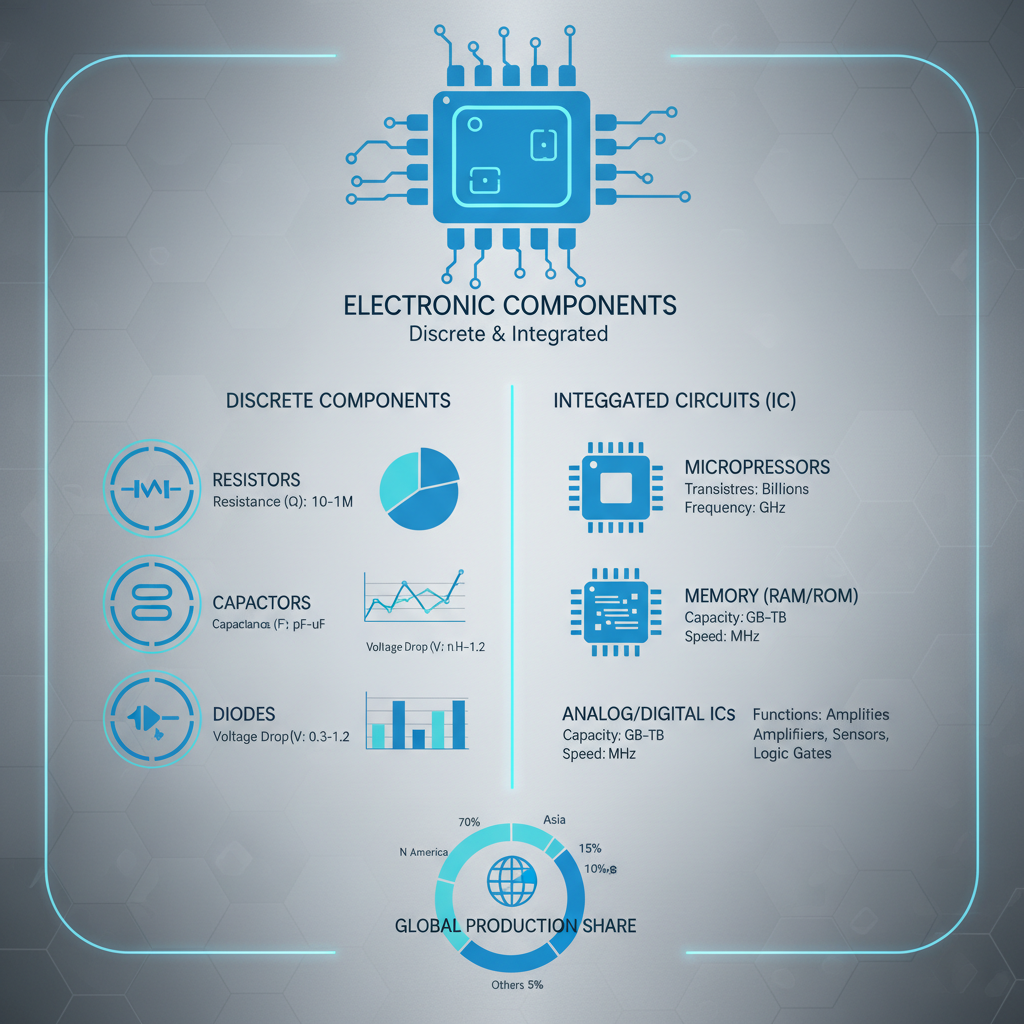
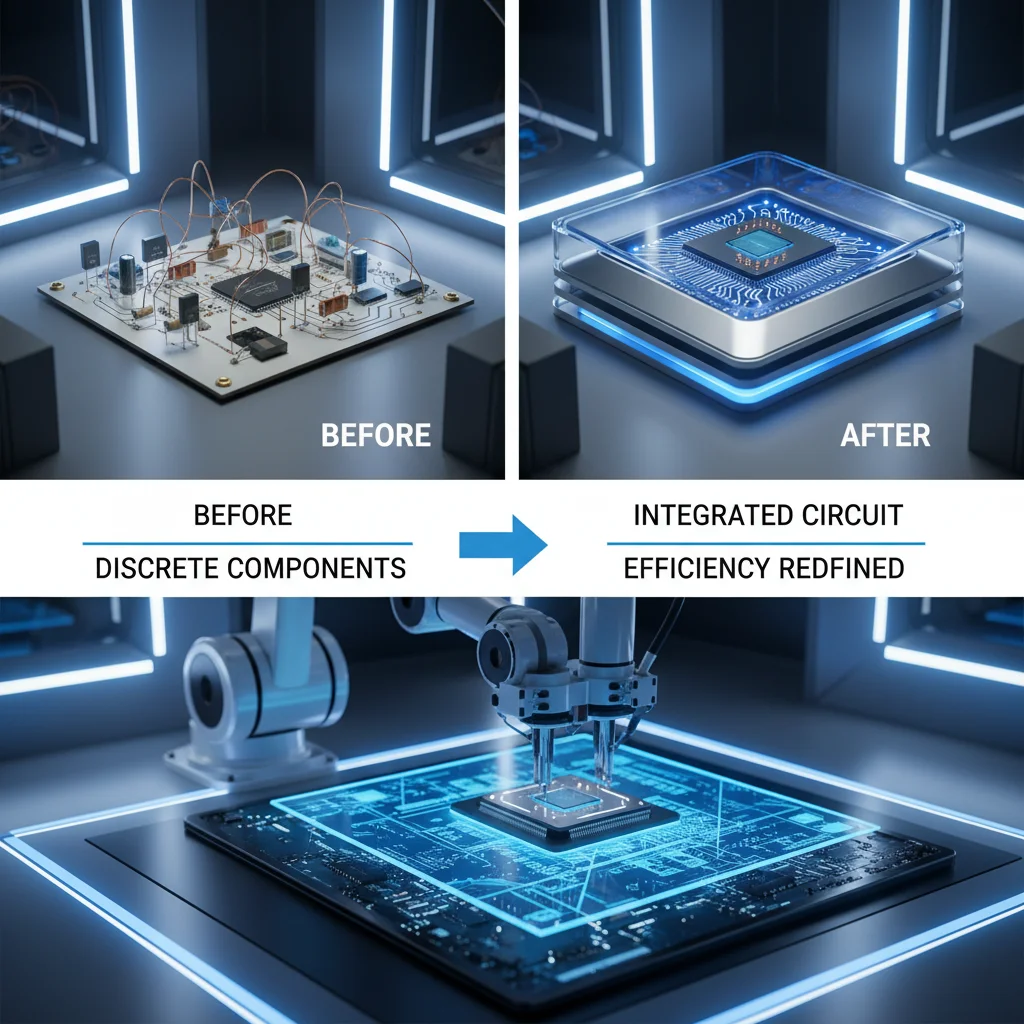
Simply put, discrete electronic components are individual, self-contained electronic parts with two or more terminals that can be connected to form an electronic circuit. Unlike integrated circuits which pack many components onto a single chip, discrete components are single functional units. This makes them versatile and easy to replace. Think of it like building with LEGOs versus having a pre-assembled model.
The connection to modern industry is undeniable. They are integral to power supplies, signal processing, amplification, and countless other applications. And in humanitarian needs? Think about portable water purification systems, emergency communication devices, or solar-powered lighting in remote areas – all rely heavily on reliable discrete electronic components.
What I see on the ground is that often it's not the complex systems failing, it's a single, cheap resistor giving out. That's why understanding and maintaining a supply of quality discrete parts is critical for anyone operating in the field.
Key Characteristics of discrete electronic components
When we talk about discrete electronic components, a few key things stand out. First, precision. The specified values – resistance, capacitance, inductance – need to be accurate for the circuit to function correctly. Then there’s power handling capability; a resistor might have a certain resistance, but it also needs to be able to dissipate the heat generated by the current flowing through it.
Tolerance is huge. It tells you how much the actual value can deviate from the specified value. A tighter tolerance means more consistency, but also typically a higher cost. And finally, packaging matters. The way a component is packaged affects its ease of use, its vulnerability to damage, and its suitability for different manufacturing processes. In the field, you want robust packaging that can withstand rough handling.
These characteristics aren’t just theoretical. They directly impact the reliability and performance of the devices we build and maintain. I’ve seen projects delayed for weeks because someone skimped on component quality and ended up with unpredictable behavior. That costs time, money, and reputation.
Durability and Reliability in discrete electronic components
Let me tell you, out on a job site, durability isn’t a luxury – it’s a necessity. We need components that can withstand vibration, temperature extremes, and the occasional accidental drop. The rated operating temperature, voltage, and current are crucial specs to check. And don't forget about the lifespan – how long will the component reliably perform under normal operating conditions?
Reliability is deeply tied to quality control. We need to know that the components we’re using have been rigorously tested to ensure they meet specifications. Things like Mean Time Between Failures (MTBF) and failure rate analysis are important metrics, but honestly, a good reputation and a long track record with a supplier often tell you more than any datasheet.
Component Failure Rates by Type
Global Applications of discrete electronic components
You see discrete electronic components everywhere. In post-disaster relief operations, robust power supplies built with reliable components are the lifeline for communication and medical equipment. In remote industrial zones, they power automated systems and monitoring equipment. Even in agriculture, precise sensors rely on these components for accurate data collection.
I’ve worked on projects in Southeast Asia where access to reliable electricity is limited. Simple, solar-powered lighting systems built with readily available discrete components are making a huge difference in people’s lives. And in Europe, we’re seeing a push for more energy-efficient appliances, which means designing circuits with components that minimize power loss.
Advantages and Long-Term Value
The advantages are clear. Cost-effectiveness is a big one. Discrete components are generally cheaper than their integrated circuit counterparts, especially for simple functions. Sustainability matters, too. Being able to easily replace a single component extends the lifespan of a device, reducing electronic waste.
But the long-term value goes beyond just cost savings. Reliability translates to reduced downtime and increased productivity. A well-designed system using quality components builds trust with customers. And that trust is priceless.
Future Trends and Innovations
We’re seeing a lot of innovation in materials science. New ceramic materials are enabling capacitors with higher capacitance and lower losses. Silicon carbide and gallium nitride are becoming more common in power semiconductors, offering improved efficiency and temperature performance. And with the rise of green energy, the demand for robust and efficient power electronics is only going to increase.
Digital transformation and automation are also driving demand for more sophisticated and reliable discrete components. As systems become more complex, the need for precise control and accurate sensing becomes even more critical. And, of course, sustainability is a major focus. We’re looking for components that minimize energy consumption and are made from environmentally friendly materials.
I expect to see more emphasis on miniaturization, integration, and smart components that can self-monitor and self-diagnose. These advancements will enable even more efficient and reliable electronic systems.
Core Factors Influencing Discrete Electronic Component Selection
| Component Type | Operating Environment | Cost Analysis | Supplier Reliability |
|---|
| Resistor | Temperature Range: -55°C to +155°C | Unit Cost: $0.01 - $0.10 | Supplier Rating: 9/10 |
| Capacitor | Humidity Resistance: Up to 95% RH | Unit Cost: $0.05 - $0.50 | Supplier Rating: 8/10 |
| Diode | Voltage Rating: 5V - 200V | Unit Cost: $0.10 - $1.00 | Supplier Rating: 7/10 |
| Transistor | Operating Frequency: Up to 1 GHz | Unit Cost: $0.20 - $2.00 | Supplier Rating: 9/10 |
| Inductor | Current Rating: 1A - 10A | Unit Cost: $0.30 - $3.00 | Supplier Rating: 6/10 |
| Thyristor | Surge Current: 50A - 200A | Unit Cost: $0.50 - $5.00 | Supplier Rating: 8/10 |
FAQS
Based on my experience, the most frequent failures involve capacitor degradation – drying out or experiencing ESR drift. Resistors can open circuit due to overheating. Transistors often fail short, and diodes can experience reverse leakage. Consistent monitoring and preventative maintenance can help minimize these issues.
Higher temperatures significantly accelerate the degradation of most discrete components. The Arrhenius equation describes this relationship. A general rule of thumb is that for every 10°C increase in temperature, the lifespan of a component is halved. Proper heat sinking and ventilation are essential for maximizing component reliability.
Through-hole components have leads that are inserted into holes drilled in the PCB. They're typically more robust and easier to prototype with. Surface-mount components, on the other hand, are soldered directly onto the surface of the PCB. They are smaller, more cost-effective for mass production, and allow for higher component density.
Derating means operating a component below its maximum specified ratings. This significantly improves reliability and extends its lifespan. For example, you wouldn't want to consistently operate a resistor at its maximum power dissipation. Derating provides a safety margin and reduces the risk of premature failure.
Counterfeit components are a serious problem. Look for inconsistencies in packaging, markings, and performance. Purchase from authorized distributors. Perform thorough testing and inspection upon receipt. If something seems off, it probably is.
A good multimeter is non-negotiable. An oscilloscope is helpful for analyzing signals. A soldering iron (or rework station) is essential for assembly and repair. A component tester can quickly verify the values of resistors, capacitors, and transistors. And don't forget basic hand tools like pliers, wire strippers, and screwdrivers!
Conclusion
Discrete electronic components are the silent workhorses of the modern world. From ensuring the reliability of critical infrastructure to enabling the latest technological advancements, their importance cannot be overstated. Understanding their characteristics, limitations, and best practices for their application is paramount for anyone involved in the design, manufacturing, or maintenance of electronic systems.
Looking ahead, continued innovation in materials, miniaturization, and smart component design will further enhance their capabilities and sustainability. Investing in the development of a skilled workforce capable of navigating these advancements is essential for ensuring continued progress. To learn more about sourcing high-quality discrete electronic components for your projects, visit our website.