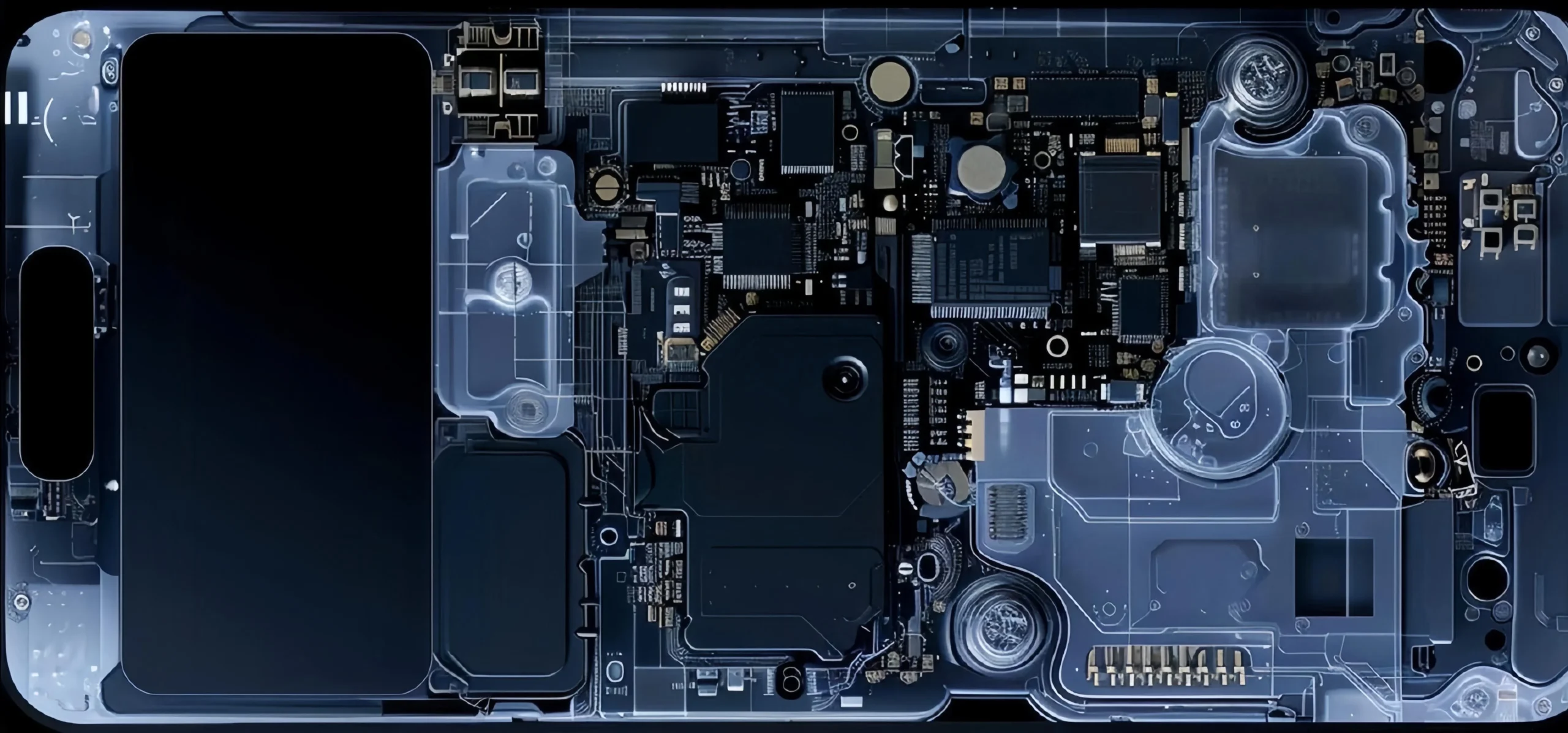
Look, I’ve spent the last fifteen years breathing concrete dust and wrangling with schematics on job sites. I've seen a lot of things come and go in this industry, but the core – the basic electronic components that make everything tick – that stuff is the foundation. It's not glamorous, it’s not headline-grabbing, but without reliable resistors, capacitors, and diodes, you’re looking at downtime, delays, and a whole lot of frustrated engineers. We’re talking about the guts of everything from the building automation systems to the power distribution panels.
It's easy to get lost in the buzz around AI and smart cities, but those things are only as good as the underlying electronic components holding them together. I’ve seen projects grind to a halt over a bad batch of transistors. Seriously. And it's not just about keeping things running; it's about safety. Reliable components mean safer systems, which means keeping people out of harm’s way. It's a direct link to the quality of work, and honestly, my reputation on a site depends on knowing those basics are solid.
So when folks talk about innovation, I always bring it back to these essential building blocks. You can have the most sophisticated software in the world, but if your basic electronic components can’t handle the load or the environment, you've got a problem. I’ve seen it all, and trust me, simplicity and robustness in these foundational pieces are paramount.
The Importance of Basic Electronic Components
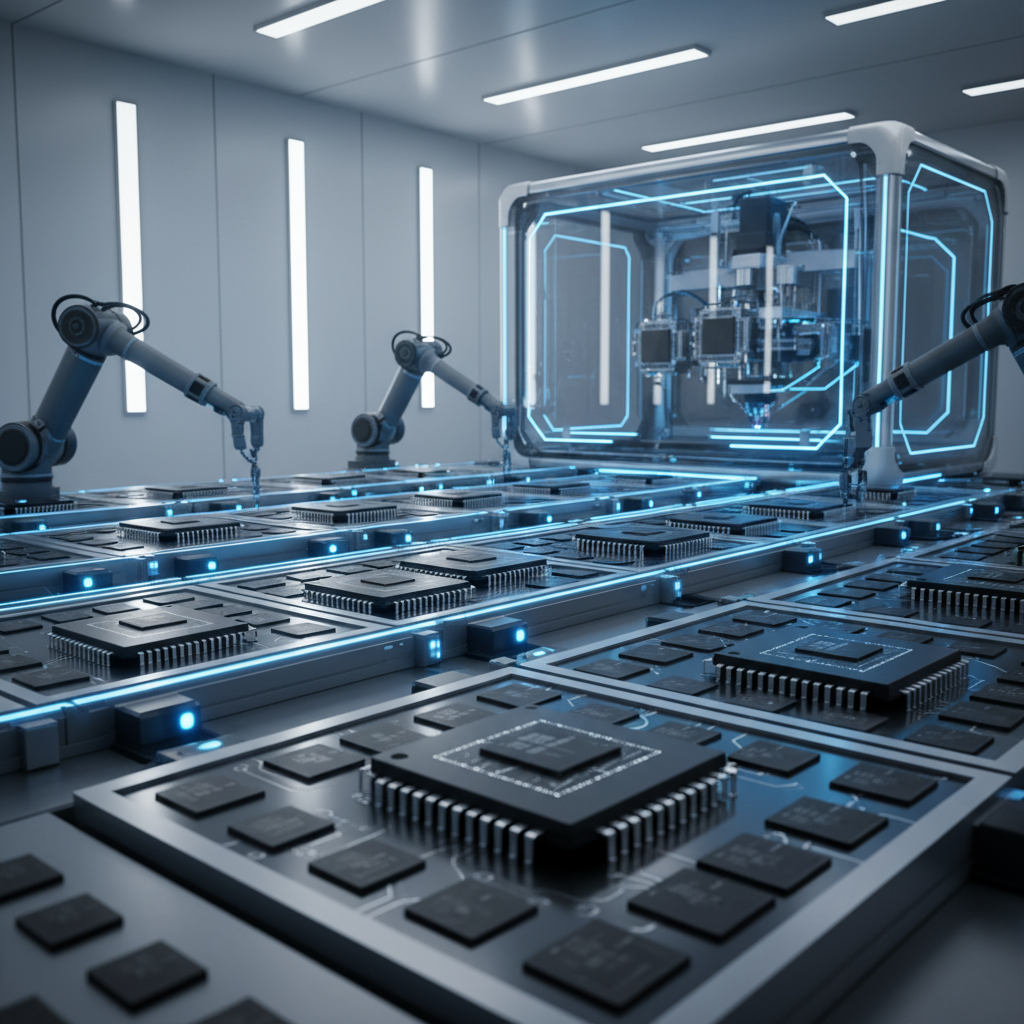
Honestly, if you're building anything electrical – and these days, that’s pretty much everything – basic electronic components are the unsung heroes. They’re the things that most people don’t think about until they fail, and then it's a crisis. I’ve seen entire systems shut down because of a faulty capacitor, costing companies thousands in lost productivity and repairs. It’s a real-world impact, and it's something we focus on heavily when specifying materials for any project.
The global market for these components is massive. The UN Industrial Development Organization estimates that the electrical and electronic equipment manufacturing sector is a major driver of economic growth, particularly in developing countries. Ensuring access to quality electronic components is critical for sustainable industrialization, and frankly, for modern life as we know it.
Defining Basic Electronic Components
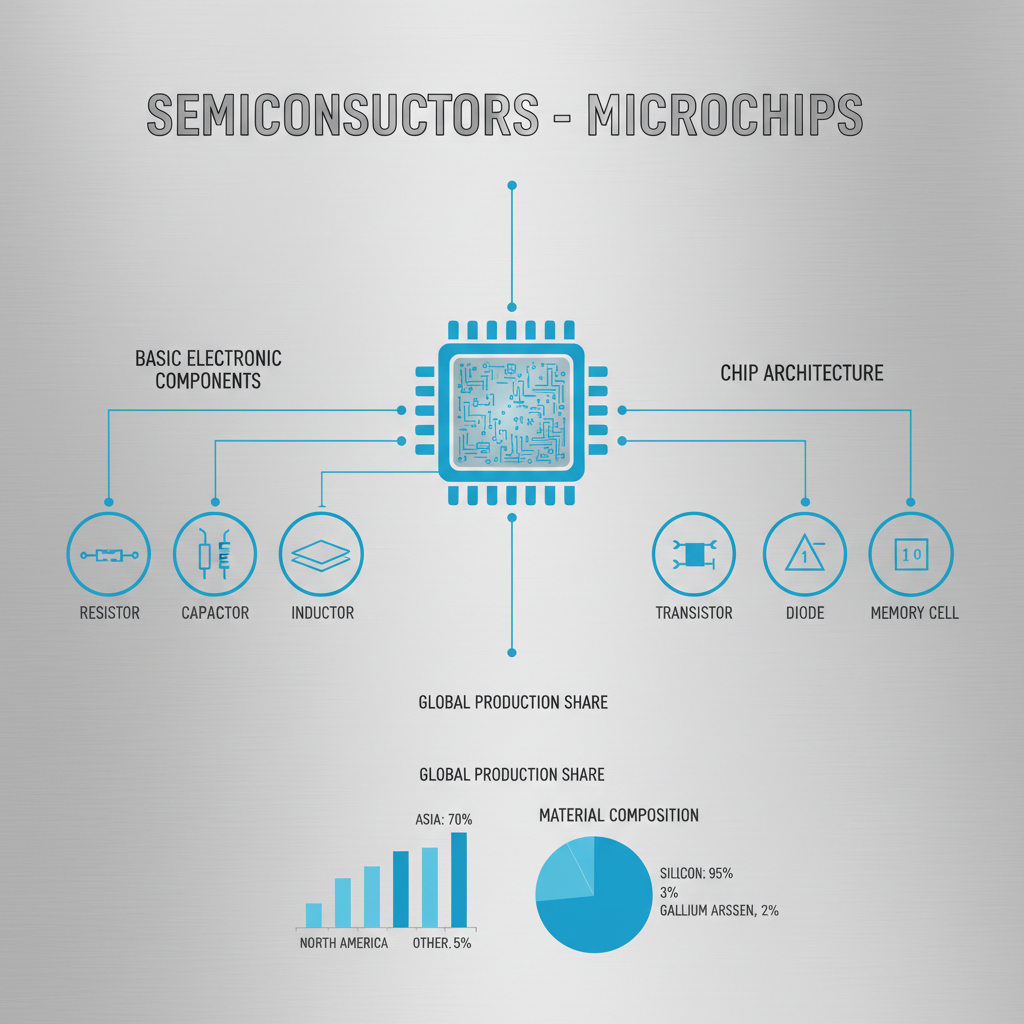
Put simply, basic electronic components are the fundamental building blocks of any electronic circuit. We're talking about things like resistors (they control current flow), capacitors (they store energy), diodes (they allow current to flow in one direction), transistors (they amplify or switch signals), and integrated circuits (ICs), which pack a whole bunch of components onto a tiny chip. These aren’t fancy, cutting-edge things necessarily, but they’re the essential ingredients.
Their connection to modern industry is absolute. Every smartphone, every car, every power grid, relies on these components functioning correctly. And it's not just about industry. In humanitarian efforts, reliable electronic components are crucial for things like medical devices, communication systems, and even water purification technology. Getting power and communication back online after a disaster hinges on these pieces.
I look at it like this: you can build a beautiful house, but if the foundation is cracked, it's not going to last. Basic electronic components are the foundation of our modern electronic world.
Key Characteristics of Reliable Components
When I’m spec’ing out components, there are a few things I look for above all else. First, durability. These things need to withstand vibration, temperature swings, and sometimes, pretty harsh conditions. I've seen components fail just from being jostled during shipping. Second, consistency. You need to know that every component in a batch is going to perform the same way. Variations can cause headaches down the line.
Then there's reliability. This ties into durability and consistency, but it’s also about the component’s lifespan. You want something that’s going to last, minimizing maintenance and downtime. We use Mean Time Between Failures (MTBF) figures as a key metric, but honestly, real-world experience trumps everything. And finally, traceability – knowing where the component came from, what materials were used, and how it was manufactured. That’s crucial for quality control.
These characteristics aren’t just about avoiding failures; they directly impact the overall cost of a project. A few extra dollars spent on higher-quality electronic components upfront can save you a fortune in repairs, downtime, and lost productivity later on.
Practical Applications Across Industries
You name the industry, and basic electronic components are at its heart. In automotive, they’re in everything from the engine control unit to the infotainment system. In healthcare, they’re powering medical imaging equipment and life support systems. In manufacturing, they're controlling robots and automated assembly lines. And, of course, in construction, they're integral to building automation, security systems, and power distribution.
I’ve worked on projects in remote industrial zones where getting replacement components quickly is a nightmare. That’s why choosing reliable electronic components from the start is so critical. And it's not just about industrial applications. In post-disaster relief operations, portable power systems and communication devices rely on these components to function in challenging conditions.
Component Failure Rates by Application
Advantages and Long-Term Value
Investing in quality basic electronic components isn’t just about avoiding breakdowns; it's about long-term cost savings, increased efficiency, and improved safety. Reliable components mean less downtime, lower maintenance costs, and a longer lifespan for the equipment they're used in. From a sustainability perspective, fewer replacements mean less waste.
There’s also a human element. Knowing the systems you’re building are reliable gives everyone peace of mind – the engineers, the operators, and the end-users. That trust is invaluable. And from a business standpoint, a reputation for quality and reliability builds customer loyalty and attracts new opportunities.
Future Trends in Component Technology
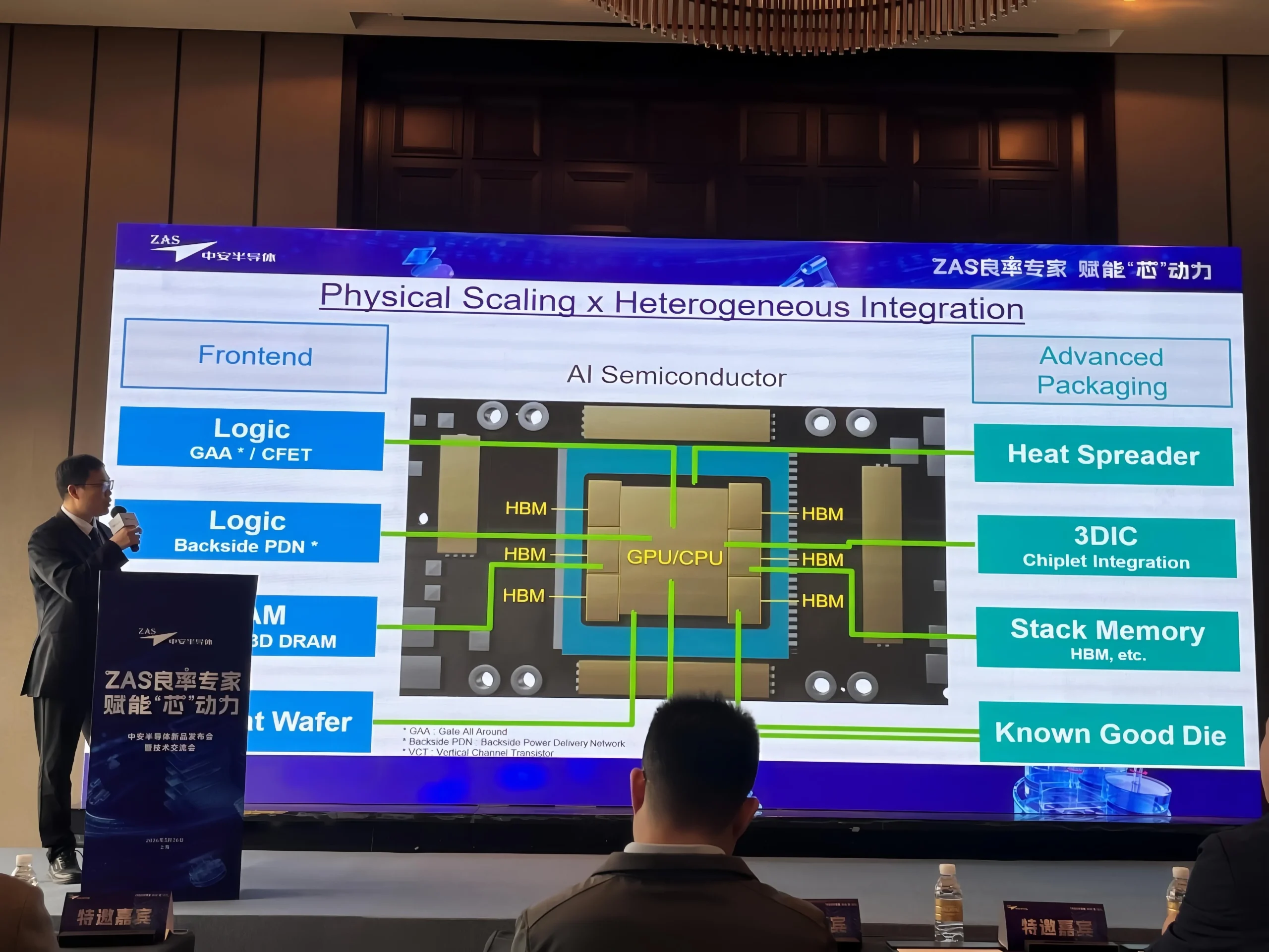
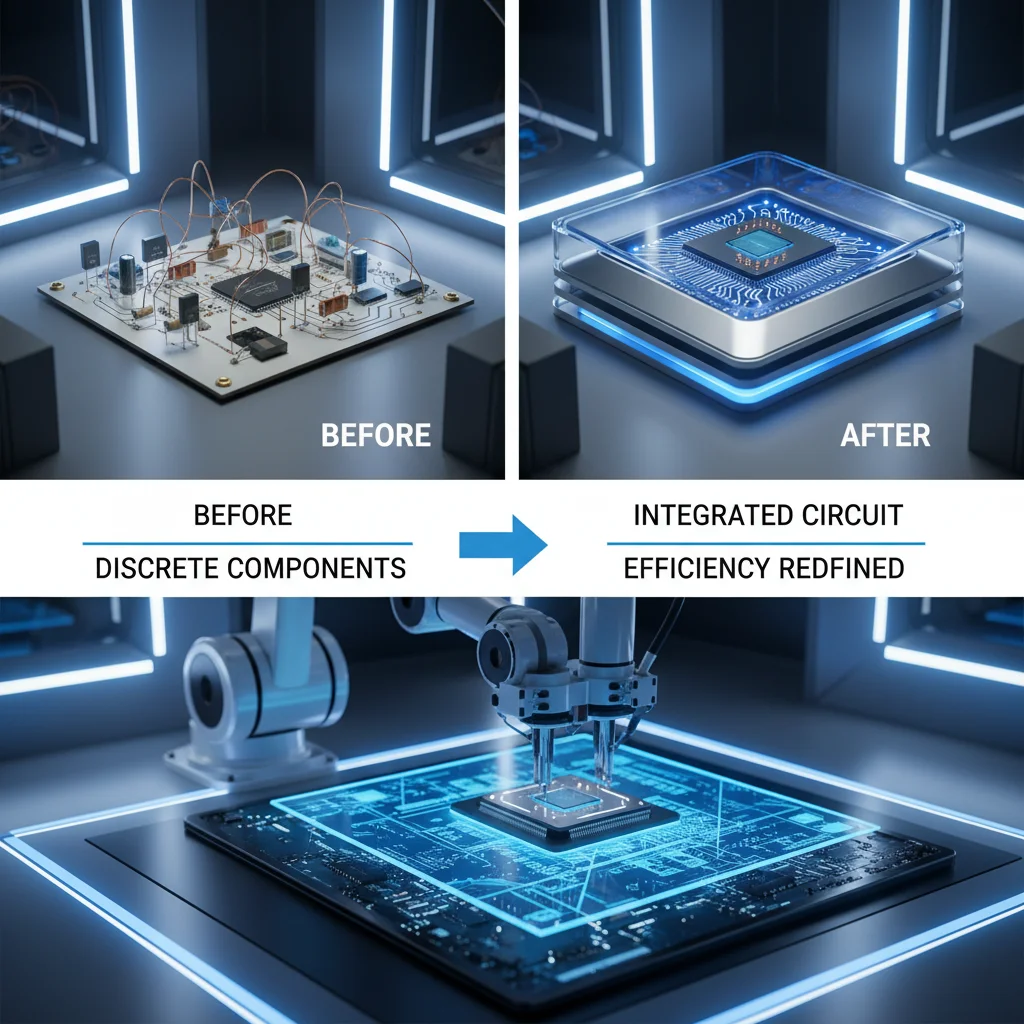
We’re seeing a push towards smaller, more energy-efficient electronic components. Wide-bandgap semiconductors like silicon carbide (SiC) and gallium nitride (GaN) are becoming increasingly popular, particularly in power electronics, because they can handle higher voltages and temperatures. We're also seeing more integration, with more and more components being packed onto single chips.
And there's a growing emphasis on sustainable materials and manufacturing processes. Companies are looking for ways to reduce their environmental footprint and create more eco-friendly electronic components. That’s a big deal, not just for environmental reasons, but because consumers are demanding it.
Ultimately, the future of basic electronic components is about smarter, smaller, and more sustainable technology.
Challenges and Mitigation Strategies
Supply chain disruptions have been a major headache lately. We've seen lead times for certain electronic components stretch out to months, causing delays and price increases. Mitigating this requires diversifying suppliers and building strategic partnerships. Another challenge is the increasing complexity of components, which makes quality control more difficult.
Counterfeit components are also a serious concern. They can be unreliable and even dangerous. That’s why it’s crucial to source components from reputable distributors and to implement rigorous testing procedures. And finally, keeping up with the rapid pace of technological change is a constant challenge. We need to stay informed about the latest advancements and invest in training and development.
The key to overcoming these challenges is a proactive approach – anticipating problems, building strong relationships with suppliers, and investing in quality control and training.
Summary of Mitigation Strategies for Basic Electronic Component Challenges
| Challenge | Mitigation Strategy | Implementation Difficulty (1-10) | Cost of Implementation (1-10) |
|---|
| Supply Chain Disruptions | Diversify Suppliers, Strategic Partnerships | 6 | 7 |
| Increasing Component Complexity | Enhanced Quality Control Procedures | 5 | 6 |
| Counterfeit Components | Reputable Distributors, Rigorous Testing | 4 | 5 |
| Rapid Technological Change | Continuous Learning & Development | 7 | 4 |
| Material Cost Fluctuations | Long-Term Contracts, Volume Purchasing | 5 | 8 |
| Environmental Regulations | Sustainable Material Sourcing, Eco-Friendly Processes | 6 | 6 |
FAQS
The biggest mistake I see is focusing solely on price. Cheaper isn’t always better, especially with basic electronic components. You end up paying more in the long run through failures, downtime, and repairs. It's about total cost of ownership, not just the upfront price. A slightly more expensive component from a reputable supplier can save you a ton of headaches. You need to look at the specs, the manufacturer’s reputation, and the potential consequences of failure.
That's a critical question. Always buy from authorized distributors. Check for proper packaging and labeling. Look for certifications and compliance markings. If something seems off – the price is too good to be true, the packaging is damaged, or the markings are unclear – walk away. It's better to be safe than sorry. Also, consider using component testing services to verify functionality and authenticity.
Temperature is a huge factor. Excessive heat dramatically reduces the lifespan of basic electronic components. That’s why proper thermal management is so important. You need to ensure adequate ventilation, use heat sinks, and select components that are rated for the operating temperature. It's a simple thing, but it can make a massive difference. Check the datasheet for the component’s maximum operating temperature.
For critical systems, regular inspections are essential. The frequency depends on the application and the environment, but I recommend at least annual inspections. Look for signs of corrosion, damage, or overheating. Consider using thermal imaging to identify hot spots. And keep detailed records of all inspections and maintenance.
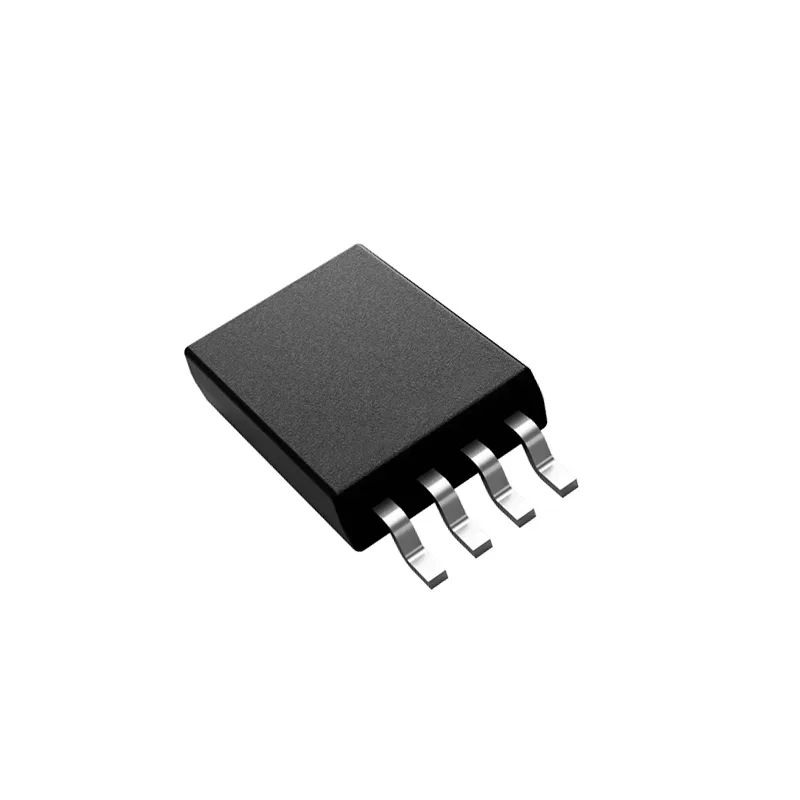
Through-hole components have leads that are inserted into holes in the PCB and soldered. They’re generally more robust but take up more space. Surface-mount technology (SMT) components are soldered directly to the surface of the PCB. SMT is more compact, allows for higher density circuits, and is more automated, but can be more susceptible to vibration. The choice depends on the application's needs.
Absolutely. Industry publications like Electronic Design and EE Times are great. Also, check out the websites of major component manufacturers. Attend industry trade shows and webinars. And don’t be afraid to network with other engineers and share knowledge. It's a constantly evolving field, so continuous learning is essential.
Conclusion
We've covered a lot, but the core message is simple: basic electronic components are the unsung heroes of our modern world. They are the foundation of everything from our power grids to our smartphones. Understanding their characteristics, applications, and future trends is crucial for anyone involved in building, maintaining, or designing electrical systems.
Don't underestimate the importance of investing in quality components and staying informed about the latest advancements. It's not just about avoiding failures; it's about building safer, more reliable, and more sustainable systems. For reliable basic electronic components and expert advice, visit our website today at ckxic.com.