Let's talk 50 electronic components. You see 'em everywhere, right? Not just in the flashy gadgets, but in the guts of everything that makes those gadgets, and frankly, keeps the world ticking. It’s easy to take them for granted, these little resistors, capacitors, diodes. But a supply chain disruption in even a seemingly minor component can bring a production line to a screeching halt. I’ve seen it happen firsthand, standing on a concrete floor, waiting for a shipment of something tiny that held up a multi-million dollar build. It’s not glamorous work, understanding these things, but it's absolutely vital.
The sheer ubiquity of these components is staggering. From the industrial control systems managing power grids to the medical devices keeping people alive, 50 electronic components are the foundational building blocks. It's not just about the technology itself; it's about the entire ecosystem – sourcing, manufacturing, quality control, and logistics. I spend a lot of time talking to the guys on the ground, the engineers who are wrestling with tolerances and specs, and the procurement teams constantly chasing availability. Understanding this whole picture is what separates a good project from a disaster.
And it's changing fast. The demand is exploding, driven by everything from AI and IoT to electric vehicles and renewable energy. We're talking about an increasingly complex global network, and the need for resilient supply chains, skilled technicians, and a fundamental understanding of what these 50 electronic components actually do. That's what we'll dive into here.
The Core Foundation of 50 electronic components
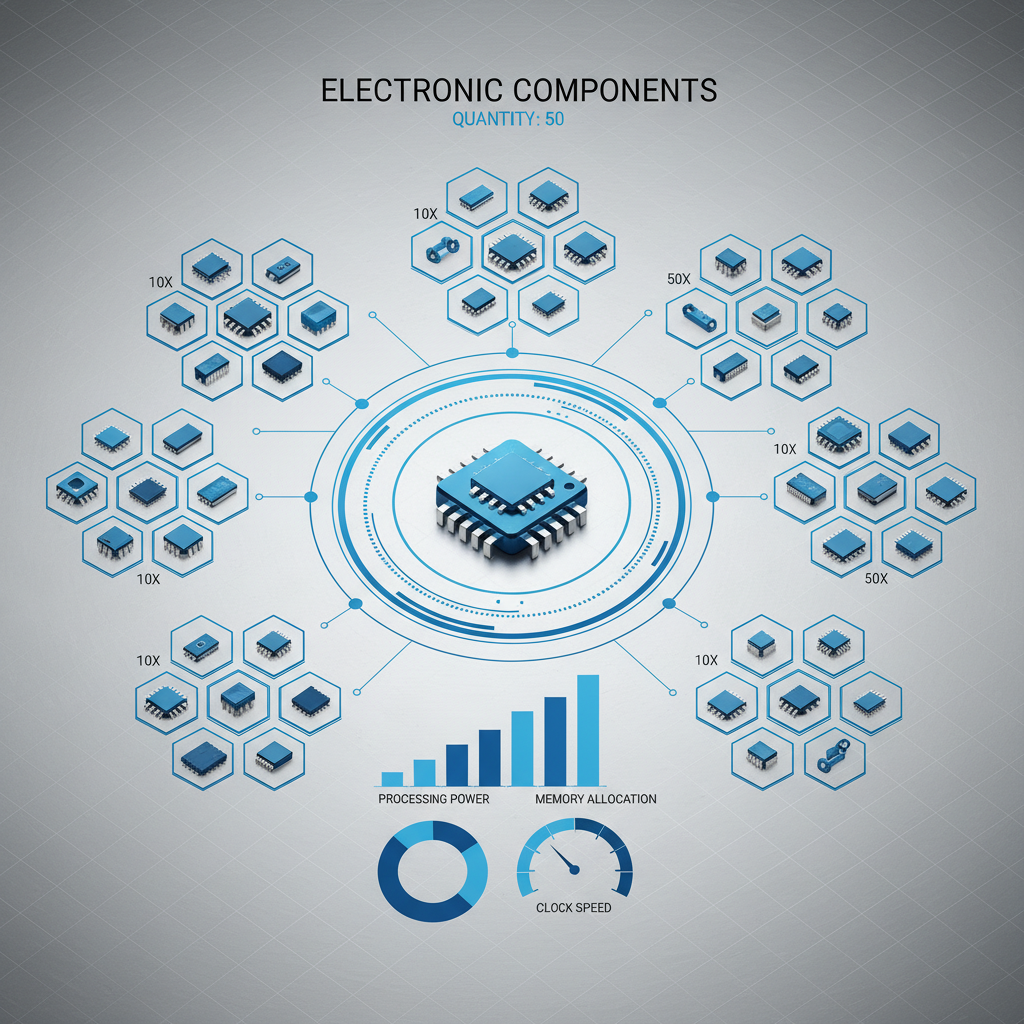
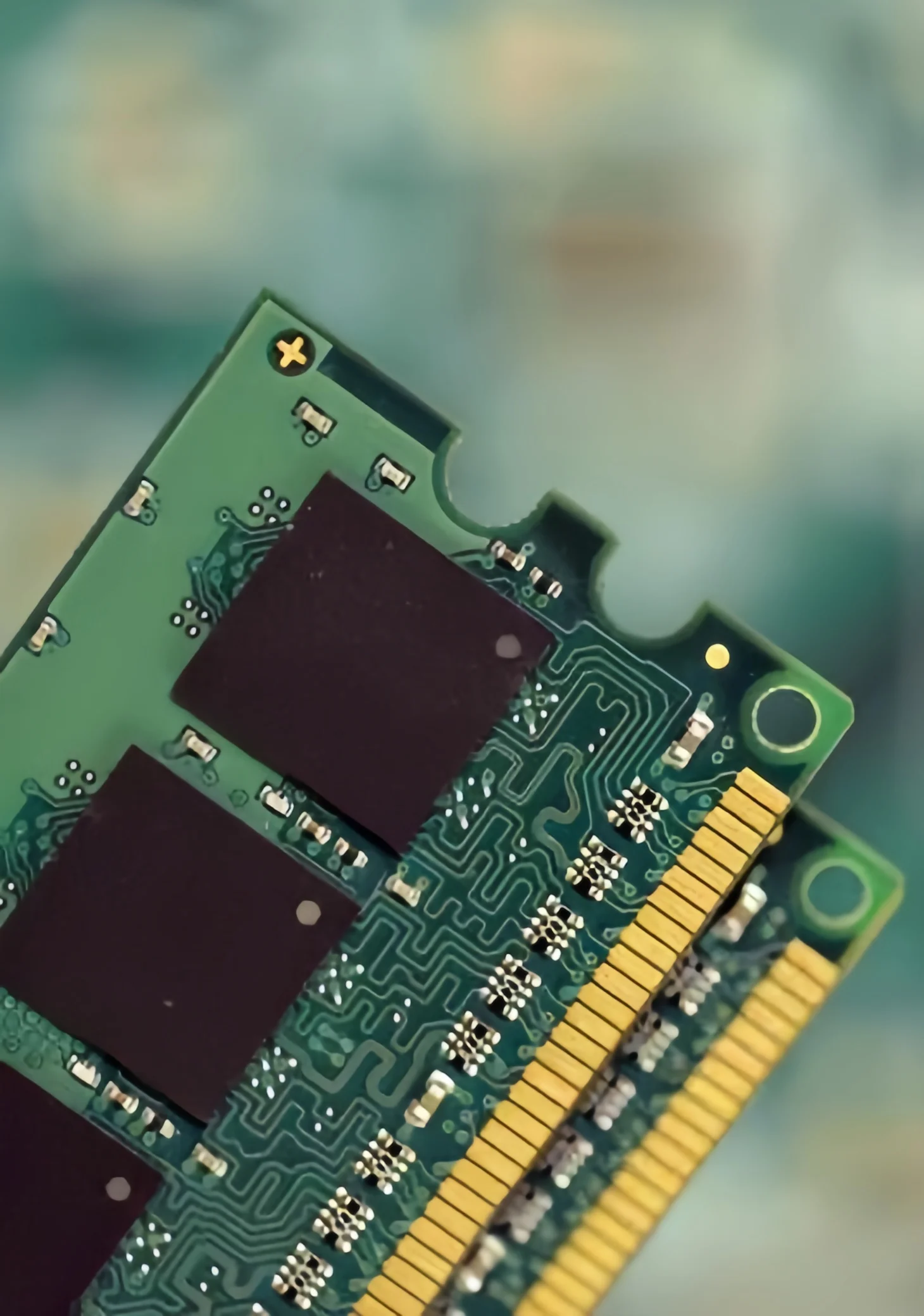
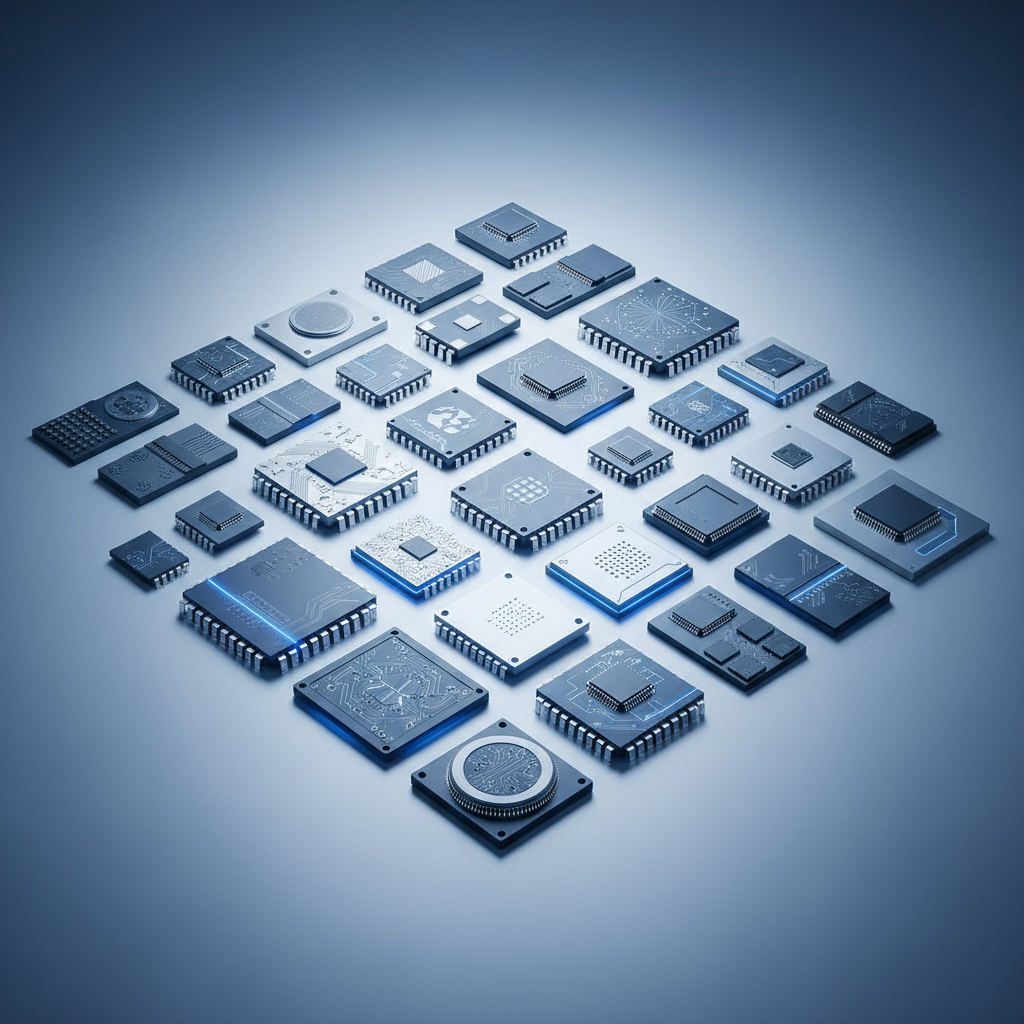
When we talk about 50 electronic components, we’re really talking about the foundational blocks of modern electronics. These aren’t the finished products, they're the ingredients. Things like resistors, capacitors, inductors, transistors, diodes, integrated circuits – the list goes on. I’ve spent hours on fabrication floors watching these things get made, and the precision involved is astounding. A tiny defect can render an entire board useless.
These components aren't just theoretical. They’re the enabling technology behind practically everything. Understanding their function, their limitations, and the complexities of sourcing them is critical for anyone involved in building or maintaining anything electronic. The quality and reliability of these components directly impact the performance and lifespan of the final product. It’s not just about finding the cheapest option; it’s about finding the right option.
Global Impact and Industry Relevance
The global market for 50 electronic components is massive – and growing. We're talking hundreds of billions of dollars annually. It's a hugely competitive landscape, with manufacturing concentrated in Asia, particularly in China, Taiwan, and South Korea. Geopolitical factors play a massive role, as we’ve seen with recent supply chain disruptions. I remember a project where a trade dispute delayed a shipment of microcontrollers for months, completely derailing the schedule.
This isn’t just a technology issue; it’s an economic and security issue. Many countries are actively working to onshore or nearshore component manufacturing to reduce reliance on single suppliers. Industries like automotive, aerospace, healthcare, and telecommunications are all heavily dependent on a stable supply of these components.
According to recent reports from the ISO and the World Bank, the demand for these components is projected to continue rising, driven by the expansion of digital infrastructure and the proliferation of smart devices. Staying ahead of this curve requires proactive planning and a deep understanding of the global supply chain.
Defining 50 electronic components: A Practical Perspective
Let's be clear, the "50 electronic components" isn’t a rigidly defined list. It's a generalization, a way to categorize the most commonly used and essential building blocks of electronic circuits. Think of it as a toolbox – you wouldn’t carry every tool imaginable, but you’d carry the 50 most versatile and frequently used ones. That’s what this represents.
The connection to modern industry and humanitarian needs is direct. Without these components, we wouldn't have the smartphones we rely on, the medical equipment that saves lives, or the industrial control systems that power our factories. In disaster relief situations, reliable communication systems – built on these components – are critical for coordinating aid efforts. I’ve seen firsthand how a simple radio, powered by a few key components, can be a lifeline in a crisis.
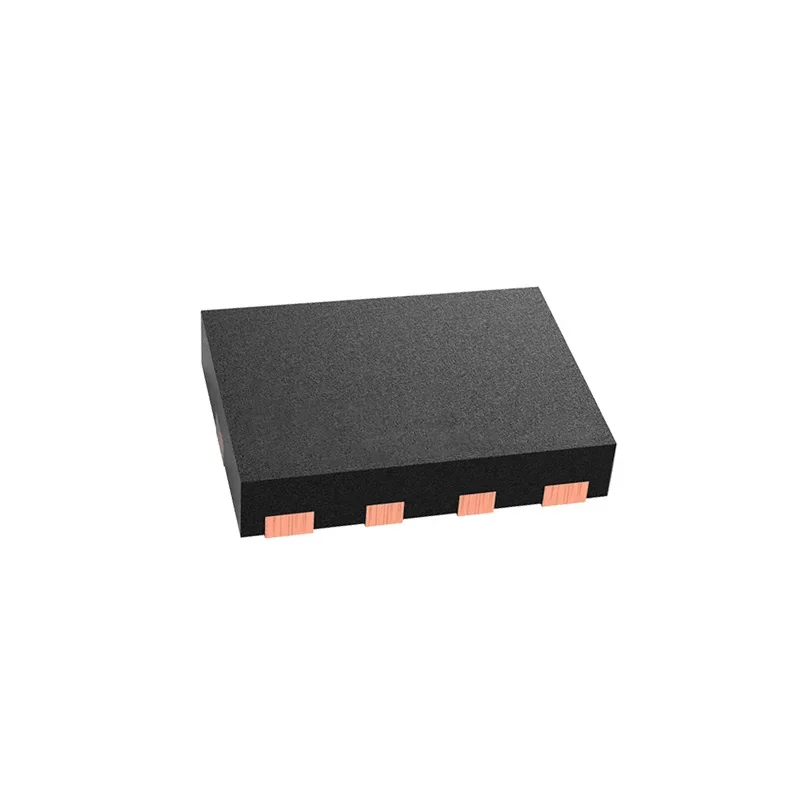
It’s important to understand the different types of components. Passive components, like resistors and capacitors, don't require an external power source to operate. Active components, like transistors and integrated circuits, do. Understanding these distinctions is crucial for designing and troubleshooting electronic circuits. It's not always about complex theory, though; sometimes it’s just about knowing what a component looks like and what it's supposed to do.
Critical Characteristics of 50 electronic components
There are a few key characteristics that determine the suitability of 50 electronic components for a particular application. First, Reliability is paramount. Components need to perform consistently over time and under varying conditions. I’ve seen projects fail because of a single batch of unreliable capacitors.
Second, Cost-Effectiveness is always a consideration, but it shouldn't come at the expense of quality. Finding the right balance between cost and performance is a constant challenge. Third, Power Efficiency is increasingly important, particularly in battery-powered devices. Reducing power consumption can extend battery life and improve overall system performance.
50 electronic components Performance Metrics
Real-World Applications Across Industries
You see these components everywhere. In automotive, they're in the engine control units, the anti-lock braking systems, the infotainment systems. In aerospace, they're in the flight control systems, the navigation systems, the communication systems.
In healthcare, they're in medical imaging equipment, patient monitoring devices, and life support systems. In renewable energy, they're in solar inverters, wind turbine controllers, and battery management systems. And, critically, in post-disaster relief operations, portable communication devices and emergency power supplies rely heavily on these components.
The Long-Term Value Proposition
Investing in high-quality 50 electronic components isn't just about avoiding immediate failures. It's about building products that last, reducing maintenance costs, and minimizing downtime. It's about ensuring safety and reliability, particularly in critical applications. And frankly, it's about building trust with your customers.
The sustainability aspect is also crucial. Longer-lasting products mean less waste. And choosing components from responsible manufacturers reduces environmental impact. From a logistical standpoint, having a consistent, reliable supply chain is invaluable, shielding your projects from unexpected disruptions.
Future Trends and Innovations in 50 electronic components
We're seeing a push towards miniaturization – smaller and more powerful components. New materials, like gallium nitride (GaN) and silicon carbide (SiC), are enabling higher efficiency and better performance. Artificial intelligence is being used to optimize component design and manufacturing processes.
There's also a growing focus on sustainability. Manufacturers are exploring eco-friendly materials and reducing waste in their production processes. And, driven by the increasing demand for electric vehicles and renewable energy, we're seeing a surge in innovation in power electronics. Digital transformation plays a huge role in streamlining the supply chain and inventory management, reducing lead times and improving traceability.
We'll also likely see increased integration – more functionality packed into smaller packages. This will require even more sophisticated manufacturing techniques and a deeper understanding of component interactions.
Summary of Key Challenges and Solutions for 50 electronic components
| Challenge | Impact on 50 electronic components | Proposed Solution | Implementation Difficulty (1-10) |
|---|
| Supply Chain Disruptions | Delays in production, increased costs | Diversify sourcing, build strategic partnerships | 7 |
| Component Shortages | Limited availability, price gouging | Long-term contracts, buffer stock | 6 |
| Quality Control Issues | Product failures, warranty claims | Enhanced testing procedures, supplier audits | 5 |
| Counterfeit Components | Compromised performance, safety risks | Traceability systems, verified suppliers | 8 |
| Evolving Technology | Obsolescence of existing components | Continuous research and development, proactive upgrades | 4 |
| Skilled Labor Shortage | Difficulty in maintaining and repairing electronic systems | Investment in training programs, automation | 9 |
FAQS
We often see failures due to overheating, voltage spikes, and mechanical stress. Electrolytic capacitors are prone to drying out over time, while resistors can drift in value. Integrated circuits can fail due to electrostatic discharge (ESD) or excessive heat. Proper thermal management and ESD protection are critical preventative measures. Knowing the common failure points helps in designing more robust systems and troubleshooting effectively.
Counterfeit components are a significant problem. Always purchase from authorized distributors or reputable suppliers. Carefully inspect the component markings and packaging for any inconsistencies. Check for proper certifications and documentation. Consider using component traceability systems to verify the origin and authenticity of the parts. If something seems too good to be true, it probably is.
Proper storage is essential to prevent damage and degradation. Store components in a dry, temperature-controlled environment. Protect them from moisture, dust, and direct sunlight. Use ESD-safe packaging and grounding techniques. Follow the manufacturer's recommended storage guidelines for specific component types. Poor storage can drastically reduce component lifespan.
Temperature significantly impacts component performance. Extreme temperatures can cause components to drift in value, fail prematurely, or even become completely inoperable. Higher temperatures generally accelerate aging and reduce reliability. It’s critical to specify components with appropriate temperature ratings for the intended application and to provide adequate thermal management to prevent overheating.
Datasheets are your bible. They provide critical information about the component’s specifications, limitations, and operating conditions. Always refer to the datasheet to ensure the component is suitable for your application. Pay close attention to parameters like voltage rating, current rating, temperature range, and tolerance. Ignoring the datasheet is a recipe for disaster.
ESD is a major killer of electronic components. Use ESD-safe workstations, grounding straps, and packaging materials. Handle components by their bodies, avoiding direct contact with the leads. Maintain a humidity level above 50% to reduce static buildup. Educate personnel on proper ESD handling procedures. A little prevention goes a long way.
Conclusion
Understanding 50 electronic components isn't about memorizing datasheets; it’s about recognizing their fundamental role in everything around us. From the tiniest sensor to the most complex computer, these components are the building blocks of modern technology. Addressing the challenges surrounding sourcing, quality, and reliability requires a holistic approach – one that considers the entire supply chain and prioritizes long-term sustainability.
The future of electronics will be shaped by innovation in materials, miniaturization, and artificial intelligence. Staying ahead of these trends requires continuous learning and a willingness to adapt. If you’re serious about working with electronics – whether you’re an engineer, a technician, or a project manager – take the time to understand these foundational components. It’s an investment that will pay dividends for years to come. For more information and to explore our extensive range of components, visit our website: ckxic.com