What are the primary functions of these MCU chips in industrial environments?
As a specialized foreign trade supplier, we provide mcu chips that serve as the central brain for complex industrial machinery. These integrated circuits combine a processor core, memory, and programmable input/output peripherals. By utilizing high-quality mcu chips, engineers can achieve precise real-time control over motor drivers and sensor arrays, ensuring the stability and longevity of the entire production line.
How do MCU chips differ from general-purpose microprocessors in hardware design?
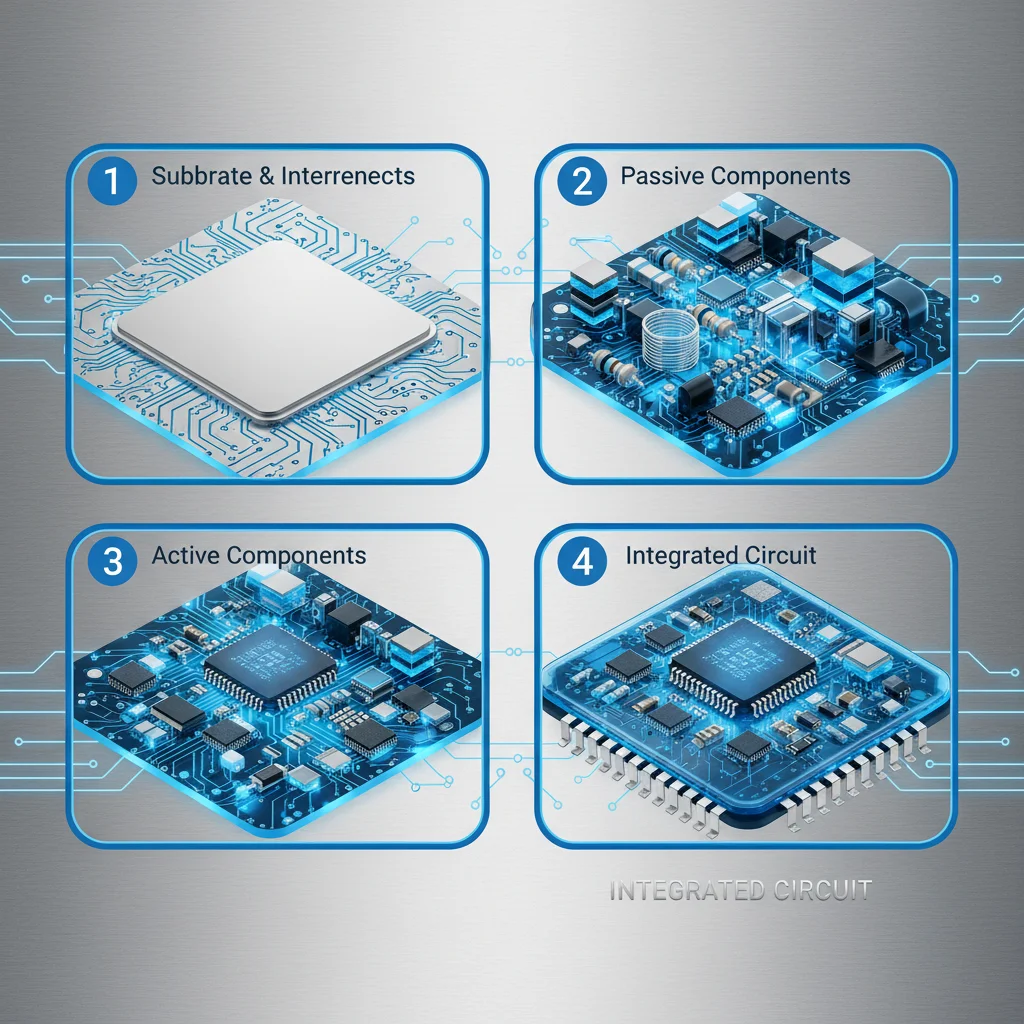
The design philosophy of mcu chips emphasizes high integration and cost-effectiveness for specific tasks. Unlike general microprocessors that require external RAM and ROM, mcu chips contain these components on a single die. This compact architecture makes mcu chips the ideal choice for embedded systems where space is limited and reliable performance under harsh conditions is a critical requirement.
Can your MCU chips support high-speed data communication protocols?
Yes, our latest generation of mcu chips is equipped with multiple high-speed interfaces, including CAN-FD, SPI, and advanced UART. These features allow mcu chips to facilitate seamless communication between different nodes in an industrial Internet of Things (IIoT) ecosystem. We ensure that every batch of mcu chips meets international standards for data throughput and synchronization accuracy.
What is the expected power consumption of these MCU chips during operation?
Efficiency is a hallmark of our mcu chips. We offer various low-power modes that allow the mcu chips to operate on minimal current during standby while retaining the ability to wake up instantly for task execution. This makes our mcu chips highly suitable for battery-operated handheld devices and remote monitoring stations where energy conservation is paramount.
Are these MCU chips compatible with standard development environments?
Our mcu chips are designed with developer accessibility in mind, supporting popular IDEs such as Keil and IAR. Because these mcu chips follow industry-standard architectures, firmware engineers can easily migrate existing codebases. We also provide comprehensive documentation and SDKs for all our mcu chips to accelerate your product’s time-to-market and reduce development costs.
How do you ensure the quality and reliability of each batch of MCU chips?
Quality control is our top priority. Every shipment of mcu chips undergoes rigorous electrical testing and thermal cycling to identify any potential defects. As a trusted supplier, we guarantee that our mcu chips can withstand extreme temperatures and electromagnetic interference, which are common challenges in the global industrial and automotive sectors.
What are the common packaging options available for these MCU chips?
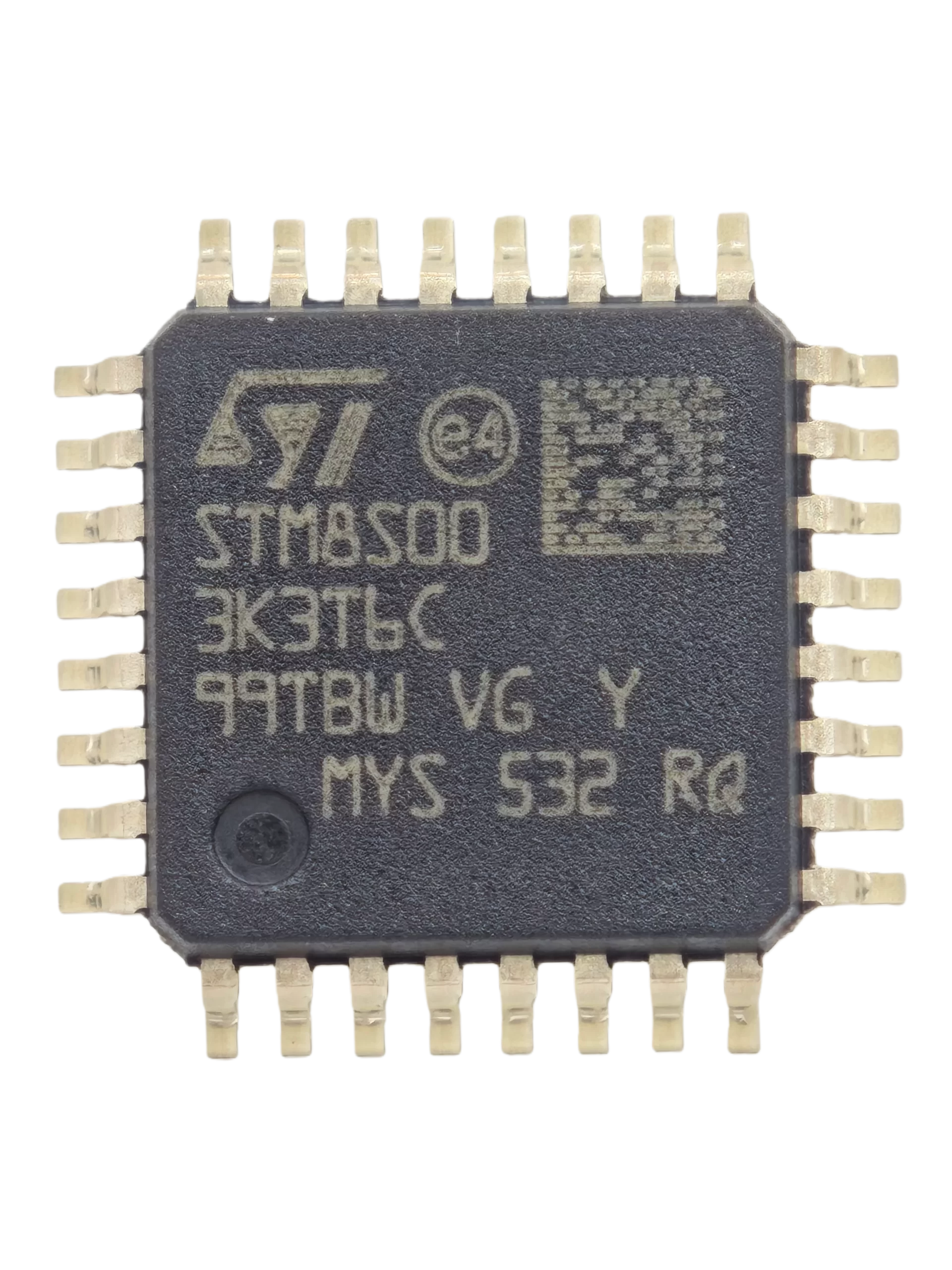
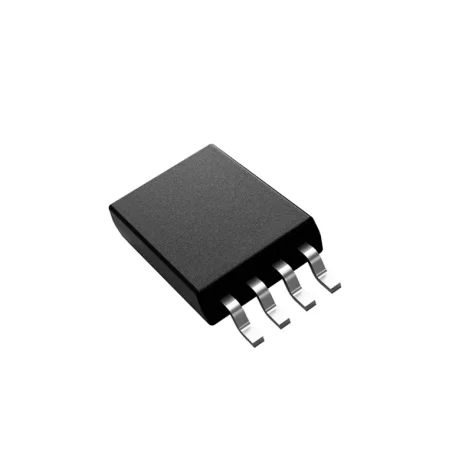
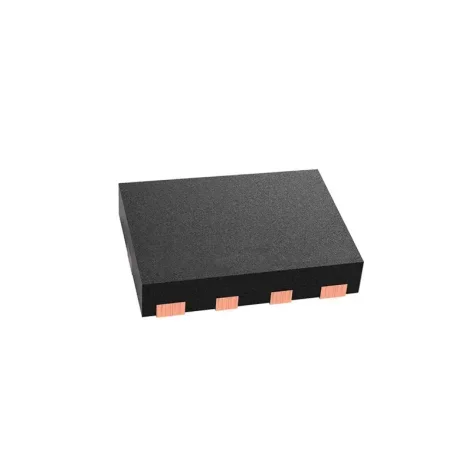
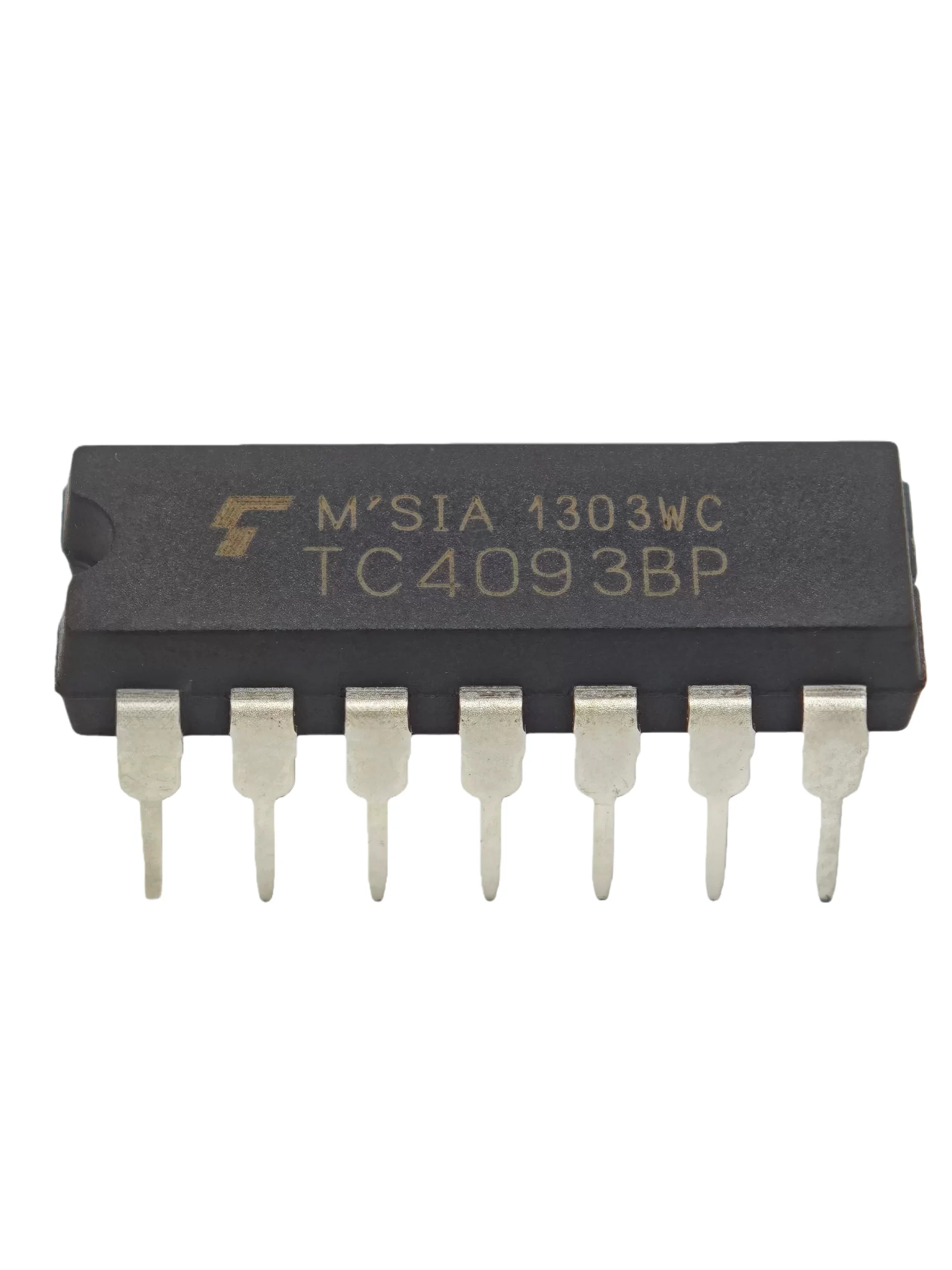
To meet diverse assembly needs, we offer mcu chips in various packages, including LQFP, QFN, and BGA. Whether your PCB design requires high-density mounting or easy manual soldering during prototyping, we have the right mcu chips package for you. Our team can also advise on the best packaging choice based on the thermal dissipation requirements of your mcu chips.
Why should a foreign trade buyer choose your company for sourcing MCU chips?
Choosing us means partnering with a professional supplier that understands the global electronics market. We offer competitive pricing on authentic mcu chips, backed by a robust supply chain and technical support. Our expertise in mcu chips logistics ensures that your order arrives safely and on time, regardless of your location or the complexity of the customs process.