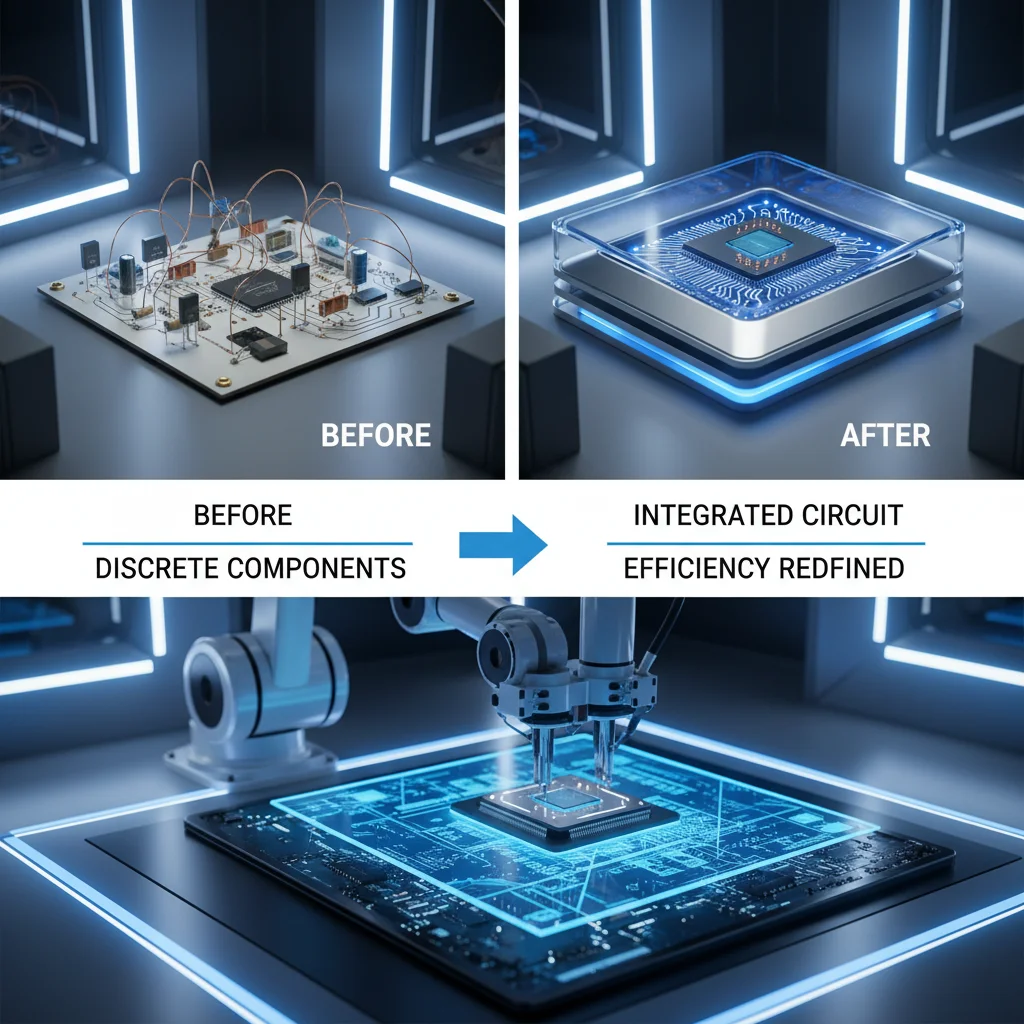
Understanding the intricate balance between active and passive components of integrated circuit design is fundamental to the evolution of modern electronics. From the smallest wearable sensor to the most complex data center server, the synergy between these two categories of components determines the efficiency, stability, and performance of the final hardware product. By mastering their interaction, engineers can push the boundaries of miniaturization and power management.
In the global semiconductor landscape, the demand for specialized integrated circuits has skyrocketed, driven by the rise of AI, 5G, and the Internet of Things (IoT). This surge has placed a renewed emphasis on how active elements, which control electricity, work in tandem with passive elements, which support and filter it. The strategic selection of these components is no longer just a technical necessity but a commercial imperative for reducing time-to-market and improving product reliability.
For procurement managers and circuit designers alike, distinguishing between these components is the first step toward optimizing a Bill of Materials (BOM). Whether dealing with high-frequency amplifiers or low-power microcontrollers, the core goal remains the same: creating a robust electrical environment where active and passive components of integrated circuit architecture can operate without interference or thermal failure.
Global Relevance of Active and Passive Components
The global semiconductor industry serves as the backbone of the digital economy, with the precise orchestration of active and passive components of integrated circuit driving trillion-dollar markets. According to industry standards aligned with ISO quality benchmarks, the reliability of electronic devices is directly proportional to the quality of these fundamental building blocks. As we transition toward an era of "hyper-connectivity," the pressure on semiconductor manufacturers to provide components that can withstand extreme temperatures and high frequencies has never been greater.
However, the industry faces a significant challenge: the "interconnect bottleneck." As active components shrink to the nanometer scale, the passive components required to support them—such as capacitors and inductors—often struggle to scale at the same rate. This disparity creates a technical gap that engineers must bridge through innovative materials and packaging techniques to ensure that the overall integrated circuit remains efficient and stable under heavy workloads.
Defining Active and Passive Circuit Elements
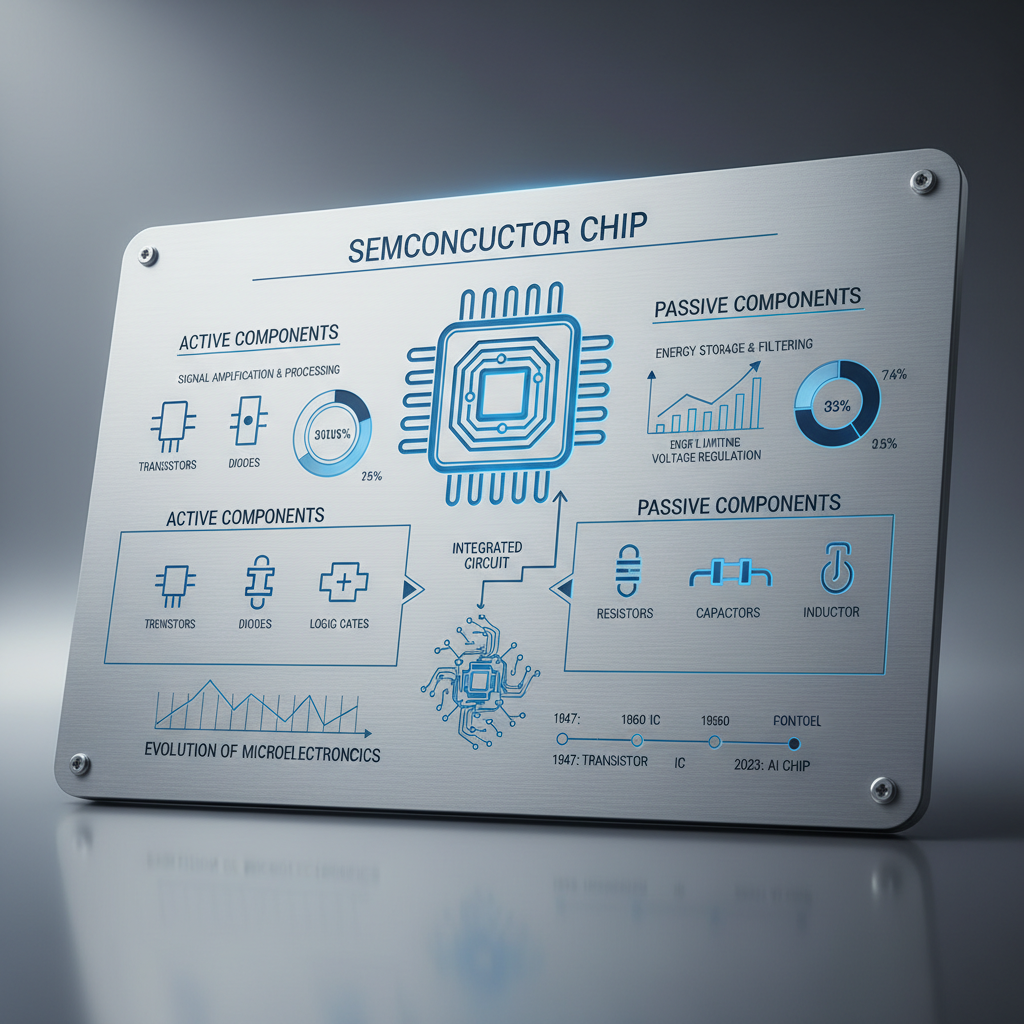
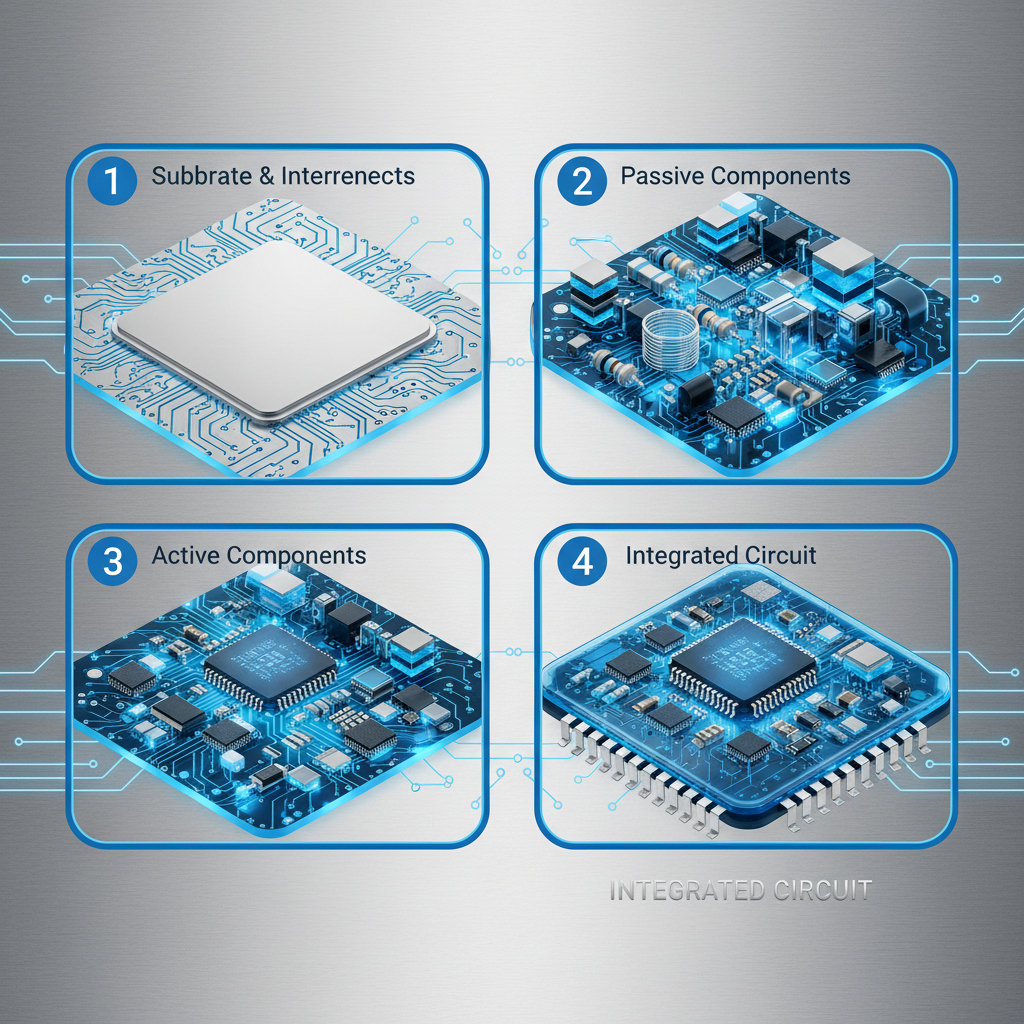
At its simplest, the distinction between the active and passive components of integrated circuit lies in their relationship with electrical power. Active components are those capable of amplifying a signal or controlling the flow of electricity, effectively acting as the "brain" or "switch" of the circuit. Common examples include transistors, integrated circuits (ICs), and operational amplifiers, which require an external power source to function and can introduce energy into the system.
Passive components, conversely, do not require a power source to operate and cannot amplify signals. Instead, they store, filter, or resist the flow of energy. Resistors, capacitors, and inductors are the quintessential passive elements. While they may seem secondary, they are critical for stabilizing voltage, filtering out noise, and ensuring that the active components receive a clean, consistent electrical current. Without them, an active chip would likely overheat or succumb to electrical interference.
In the context of modern humanitarian and industrial needs, this partnership is what enables life-saving medical imaging devices and remote environmental sensors. The ability to combine these elements into a single, miniaturized package—the integrated circuit—has allowed technology to migrate from room-sized computers to the palm of a hand, democratizing access to information and healthcare on a global scale.
Core Factors in Component Selection
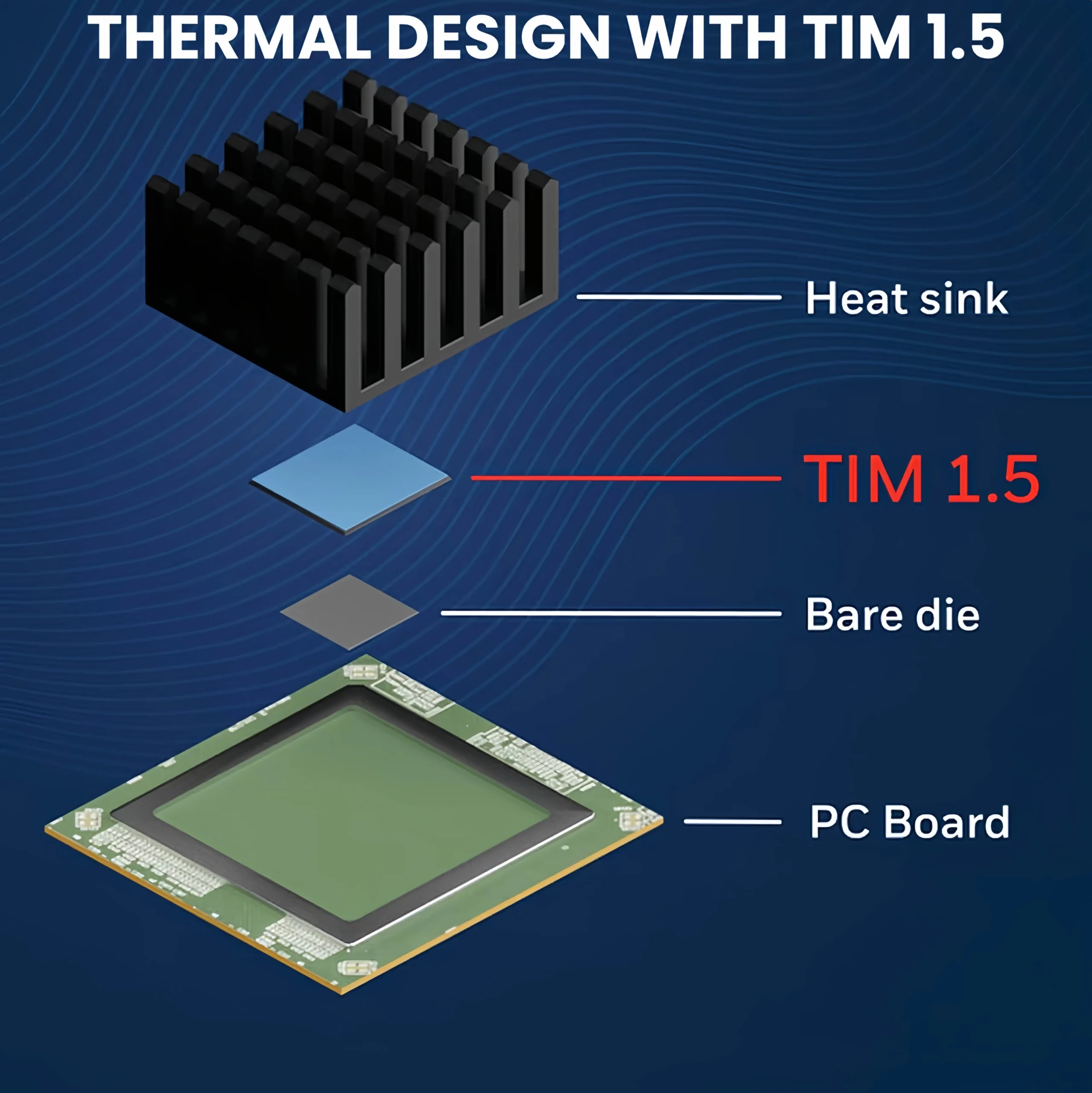
When designing with active and passive components of integrated circuit, thermal management is the primary consideration. Active components, particularly high-speed processors and power transistors, generate significant heat during operation. If the surrounding passive components cannot dissipate this heat or if the layout is poorly optimized, the device may suffer from thermal throttling or permanent failure.
Signal integrity is another pivotal factor. In high-frequency applications, such as 5G communication, the passive components must be meticulously matched to the active components to prevent signal reflection and electromagnetic interference (EMI). Using high-precision resistors and low-ESR capacitors ensures that the active and passive components of integrated circuit maintain a high signal-to-noise ratio.
Finally, cost-efficiency and scalability must be balanced. While aerospace-grade components offer unparalleled durability, consumer electronics require a balance between performance and price. Engineers often employ "design for manufacturability" (DFM) principles to ensure that the chosen mix of components can be sourced reliably and assembled at scale without compromising the circuit's overall lifespan.
Performance Metrics for Integrated Components
Evaluating the synergy between active and passive components of integrated circuit requires a multi-dimensional approach. We must look beyond the individual datasheet of a single transistor or capacitor and instead analyze the system-level performance. Metrics such as power conversion efficiency, switching speed, and thermal resistance provide a holistic view of how the circuit will behave in a real-world operational environment.
For instance, in a power supply module, the interaction between the active switching regulator and the passive filter capacitors determines the "ripple voltage." A lower ripple voltage indicates a higher quality of power delivery, which is essential for sensitive ADC/DAC components and memory modules that require extremely stable voltage rails to prevent data corruption.
Comparative Efficiency of Active and Passive Integration Methods
Global Industrial Applications
The application of active and passive components of integrated circuit extends far beyond consumer gadgets. In the automotive sector, the transition to Electric Vehicles (EVs) has necessitated the development of high-voltage power modules. Here, active silicon carbide (SiC) MOSFETs are paired with high-temperature passive capacitors to manage the massive energy flow from the battery to the motor, ensuring safety and maximizing range.
In remote industrial zones, such as offshore oil rigs or automated mining sites, these components are engineered for "extreme environment" reliability. Hardened active components prevent logic errors caused by cosmic radiation or electromagnetic surges, while high-grade passive components ensure that the timing crystals and filtering networks remain stable despite fluctuating ambient temperatures.
Long-Term Value and Reliability
Investing in high-quality active and passive components of integrated circuit yields significant long-term value through reduced maintenance and increased product longevity. From a logical standpoint, using premium capacitors with lower leakage currents reduces the overall power consumption of a device, extending battery life and reducing the total cost of ownership for the end-user.
Beyond the technical metrics, there is an emotional component of "trust." In critical applications, such as aerospace navigation or medical ventilators, the reliability of a single passive resistor can be a matter of life and death. When a company adheres to strict E-E-A-T (Experience, Expertise, Authoritativeness, and Trustworthiness) principles in their component sourcing, they are essentially guaranteeing the safety and dignity of the people using their technology.
Furthermore, sustainability is becoming a key driver of value. The industry is moving toward "Green Electronics," where components are selected not only for performance but for their recyclability and the absence of hazardous materials like lead or cadmium. This shift ensures that the innovation of today does not become the environmental burden of tomorrow.
Future Trends in Semiconductor Integration
The future of active and passive components of integrated circuit is leaning heavily toward 3D Integration and Heterogeneous Integration. Instead of placing active and passive elements side-by-side on a 2D PCB, engineers are now stacking them vertically. This "3D IC" approach drastically reduces the distance signals must travel, thereby lowering latency and power consumption while significantly shrinking the physical footprint of the device.
Moreover, the emergence of Wide Bandgap (WBG) materials like Gallium Nitride (GaN) is redefining the capabilities of active components. GaN allows for faster switching and higher temperature operation, which in turn requires a new generation of high-frequency passive components. This co-evolution is essential for the success of next-generation fast chargers and compact satellite communication systems.
Digital transformation and AI-driven design are also streamlining how these circuits are optimized. Machine learning algorithms can now predict the optimal placement and value of passive components to maximize the performance of an active IC, reducing the need for exhaustive manual prototyping and accelerating the innovation cycle.
Comparison of Material Innovations in Integrated Circuit Components
| Material Type |
Active Performance |
Passive Compatibility |
Primary Use Case |
| Standard Silicon (Si) |
Moderate (7/10) |
Excellent (10/10) |
General Logic/Memory |
| Gallium Nitride (GaN) |
High (9/10) |
Good (7/10) |
Fast Power Converters |
| Silicon Carbide (SiC) |
Very High (9/10) |
Moderate (6/10) |
EV Traction Inverters |
| GaAs |
Excellent (10/10) |
Moderate (5/10) |
RF/Microwave Apps |
| Tantalum Oxide |
N/A (Passive) |
Excellent (9/10) |
High-Cap Filtering |
| Ceramic (MLCC) |
N/A (Passive) |
Excellent (10/10) |
Decoupling/Bypass |
FAQS
The primary difference is the ability to control electron flow and provide power gain. Active components, like transistors and ICs, can amplify signals and require an external power source to operate. Passive components, such as resistors and capacitors, cannot amplify signals and do not require a power source; they simply store or dissipate the energy provided by the active elements.
Technically, an active component can process a signal, but in a practical integrated circuit, passive components are essential. Without capacitors for filtering noise and resistors for current limiting, active components would be prone to instability, overheating, and electrical failure. Passive components provide the necessary environment for active components to function reliably.
Passive components can either introduce losses or enhance efficiency. For example, a resistor converts electrical energy into heat, which is a loss. However, a high-quality inductor or capacitor can minimize energy waste during power conversion. Selecting components with low Equivalent Series Resistance (ESR) is key to maximizing the overall efficiency of the active/passive system.
Active components perform work—switching, amplifying, and computing—which inherently generates heat due to internal resistance and electron movement. If this heat is not managed, it can lead to "thermal runaway," where the component becomes more conductive as it heats up, leading to further heat and eventual destruction. Passive components generally generate less heat unless they are specifically used for power dissipation.
Embedded passives are capacitors or resistors integrated directly into the substrate of the IC or PCB, rather than being soldered on top. This trend is growing because it significantly reduces the size of the device, lowers parasitic inductance, and improves signal integrity by shortening the physical path between the active chip and its supporting passive elements.
Choice depends on the specific application: use ceramic capacitors (MLCCs) for high-frequency decoupling, tantalum capacitors for bulk energy storage, and thin-film resistors for high-precision voltage dividing. Always match the voltage and temperature ratings of the passive components to the operational limits of your active components to avoid premature failure.
Conclusion
The intricate dance between active and passive components of integrated circuit is what makes modern computing and communication possible. From the basic principle of signal amplification to the complexities of 3D semiconductor stacking, the synergy of these elements ensures that our devices are faster, smaller, and more reliable. By focusing on material innovation, thermal management, and precise component selection, the industry continues to drive the digital revolution forward.
Looking ahead, the integration of wide bandgap materials and AI-optimized design will likely erase the traditional boundaries between active and passive functions, leading to "intelligent" circuits that can adapt to their environment in real-time. For engineers and procurement specialists, the key to success lies in sourcing high-quality, compliant components that guarantee long-term stability. To explore the best options for your next project, visit our website: www.ckxic.com.