When should I choose a microcontroller and microprocessor for my electronic project?
The choice between a microcontroller and microprocessor depends on the complexity of your application and the peripheral requirements. A microcontroller is an all-in-one solution for specific control tasks, while a microprocessor provides the raw power needed for data-heavy applications. Understanding the subtle differences between a microcontroller and microprocessor is the first step toward creating an efficient and cost-effective product.
What are the architectural differences between a microcontroller and microprocessor?
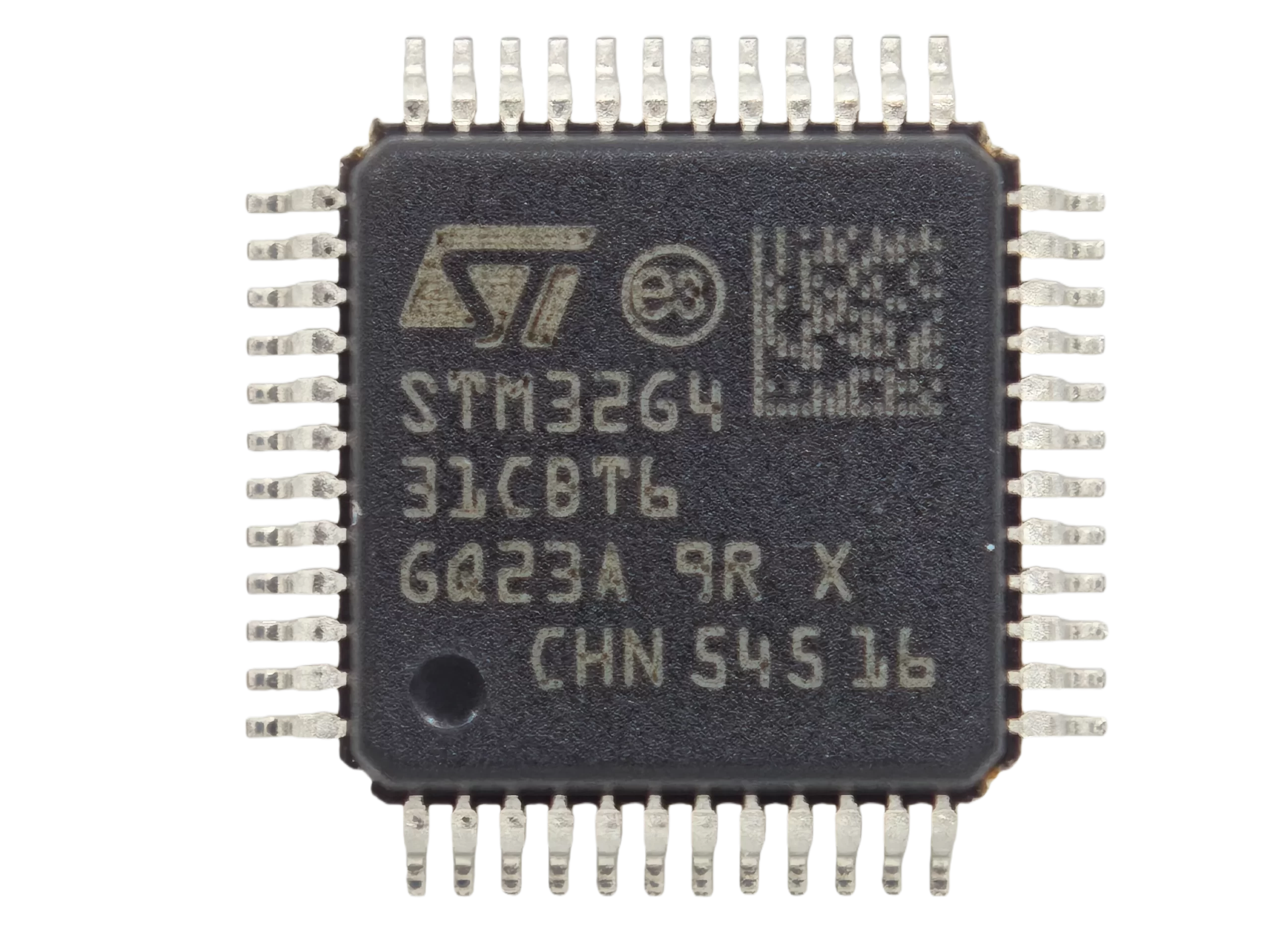
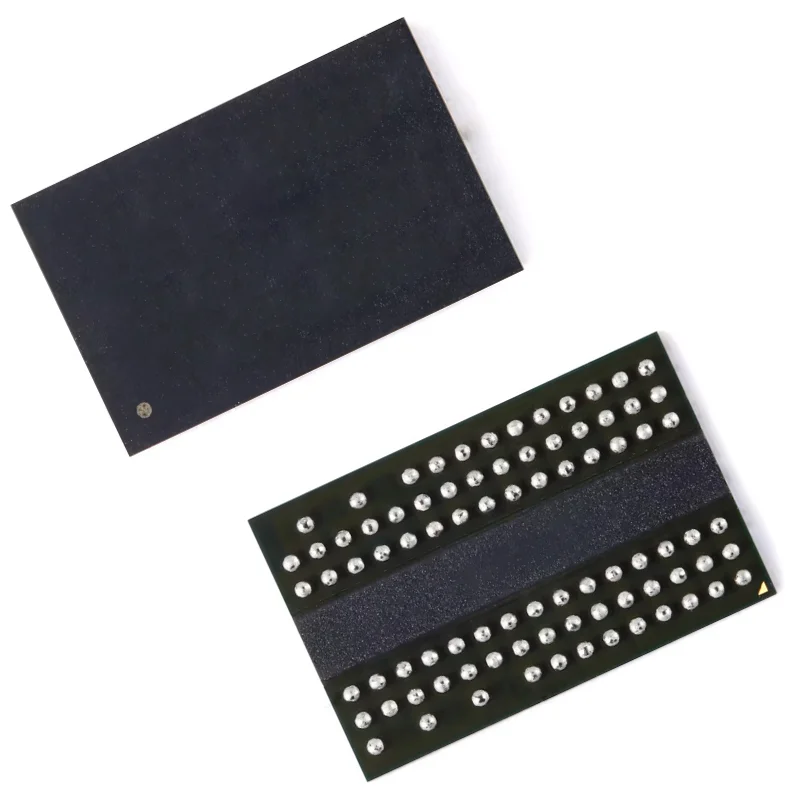
A typical microcontroller and microprocessor differ in how they handle memory; microcontrollers have internal flash and RAM, whereas microprocessors rely on external chips. This makes the microcontroller more compact for small devices, while the microprocessor is more expandable for complex systems. We supply both microcontroller and microprocessor units to provide you with the maximum flexibility in your hardware design.
Does your company provide a combined microcontroller and microprocessor ppt for training?
Yes, we offer a comprehensive microcontroller and microprocessor ppt and technical documentation to help your engineering team understand the pros and cons of each. This microcontroller and microprocessor ppt covers everything from pin configurations to software development cycles. We believe that educating our clients on the microcontroller and microprocessor landscape leads to better product outcomes and stronger partnerships.
Can a microcontroller and microprocessor work together in the same system?
In many advanced designs, a microcontroller and microprocessor are used in tandem; the microprocessor handles the OS and UI, while the microcontroller manages real-time hardware I/O. This hybrid approach leverages the strengths of both the microcontroller and microprocessor for maximum system performance. We offer matched sets of microcontroller and microprocessor components to ensure perfect inter-chip communication.
How do the development costs compare between a microcontroller and microprocessor?
Generally, developing for a microcontroller is less expensive due to simpler PCB layouts and free IDEs, whereas a microcontroller and microprocessor setup with an OS requires more engineering hours. However, for high-end features like 4K video, the investment in a microcontroller and microprocessor architecture is necessary. We provide cost-analysis tools for both microcontroller and microprocessor paths to help you stay within budget.
What are the power consumption differences in a microcontroller and microprocessor?
The microcontroller is usually the winner in power efficiency, often operating on micro-amps, while a microcontroller and microprocessor system requires more robust power management. If your device is battery-powered and performs simple tasks, a microcontroller is ideal; otherwise, a microcontroller and microprocessor balance is needed. We stock low-power versions of both microcontroller and microprocessor chips for energy-sensitive designs.
What is the lead time for a bulk order of a microcontroller and microprocessor?
As a leading foreign trade supplier, we maintain a large buffer stock for both microcontroller and microprocessor products to ensure 2-4 week lead times. Even during market fluctuations, our diverse supply chain for the microcontroller and microprocessor stays resilient. We provide real-time inventory updates for our most popular microcontroller and microprocessor models to help you plan your production.
How do you ensure the quality of a microcontroller and microprocessor from different brands?
We apply the same rigorous testing standards to every microcontroller and microprocessor we sell, regardless of the manufacturer. Our quality lab verifies the electrical parameters of each microcontroller and microprocessor to ensure they meet the datasheet specifications. Trusting us with your microcontroller and microprocessor procurement means receiving reliable, high-performance silicon every time.