March 12, 2026
In the fast-paced world of electronics, technology rapidly evolves, leaving a trail of obsolete electronic components. These parts, once vital to cutting-edge devices, can become difficult to source, presenting challenges for maintenance, repair, and even low-volume production. Understanding where to find these components, the risks involved, and the alternatives available is crucial. This article will delve into the realm of obsolete electronic components, offering insights for engineers, procurement professionals, and hobbyists alike. Sourcing these parts requires expertise and a strategic approach.
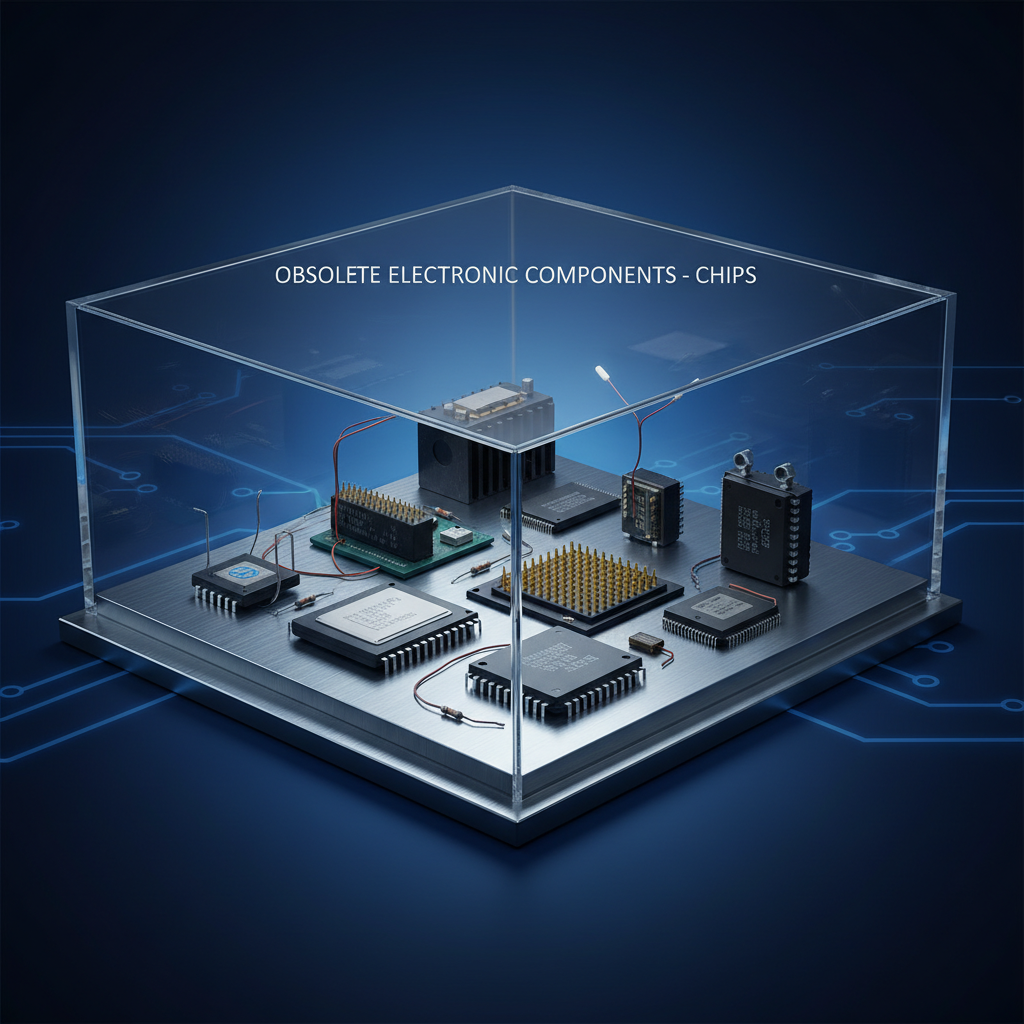
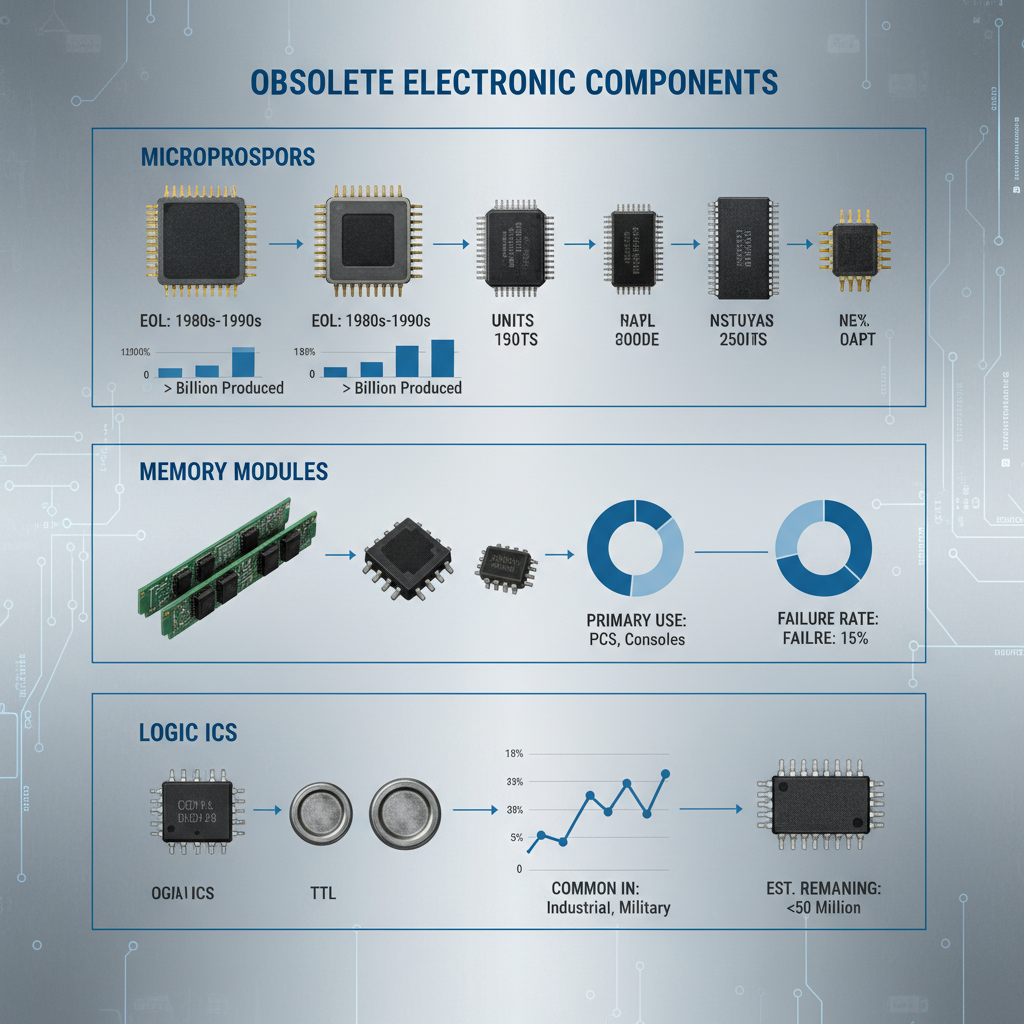
An electronic component is generally considered obsolete when the original manufacturer has ceased production, announced end-of-life (EOL), or stopped actively supporting it. This doesn't necessarily mean the component is faulty; it simply means obtaining new stock from the primary source is no longer possible. Obsolescence can be triggered by several factors, including changes in technology, low demand, and the availability of newer, more efficient alternatives. Components can also become ‘last time buy’ items, meaning a limited final production run is offered before complete discontinuation. Identifying obsolescence early in the product lifecycle is crucial for proactive mitigation strategies.
Key Indicators of Obsolescence:
Manufacturer's End-of-Life (EOL) Notice
Long Lead Times
Price Increases
Limited Availability
Discontinuation of Datasheets or Support
Sourcing obsolete electronic components presents a unique set of hurdles. One major concern is counterfeit parts. The demand for scarce components creates a market for fraudulent products that may not meet specifications and can compromise the reliability and safety of your devices. Another challenge is quality control; components sourced from independent distributors may not have the same rigorous testing procedures as those from authorized channels. Price volatility is also common, with prices fluctuating based on supply and demand. Finally, verifying the authenticity and traceability of components is often difficult.
Risks of Sourcing from Unverified Sources:
• Counterfeit Components
• Compromised Quality and Reliability
• Potential Safety Hazards
• Legal Liabilities
Several avenues exist for sourcing obsolete components. Independent distributors, like CKXIC, specialize in hard-to-find and end-of-life parts. Online marketplaces, auction sites, and component brokers can also be valuable resources, but require careful vetting. Stocking distributors sometimes hold limited inventories of obsolete parts. Furthermore, exploring opportunities for component reclamation – salvaging parts from decommissioned equipment – can be a viable option in some cases. However, thorough testing and inspection are essential for reclaimed components.
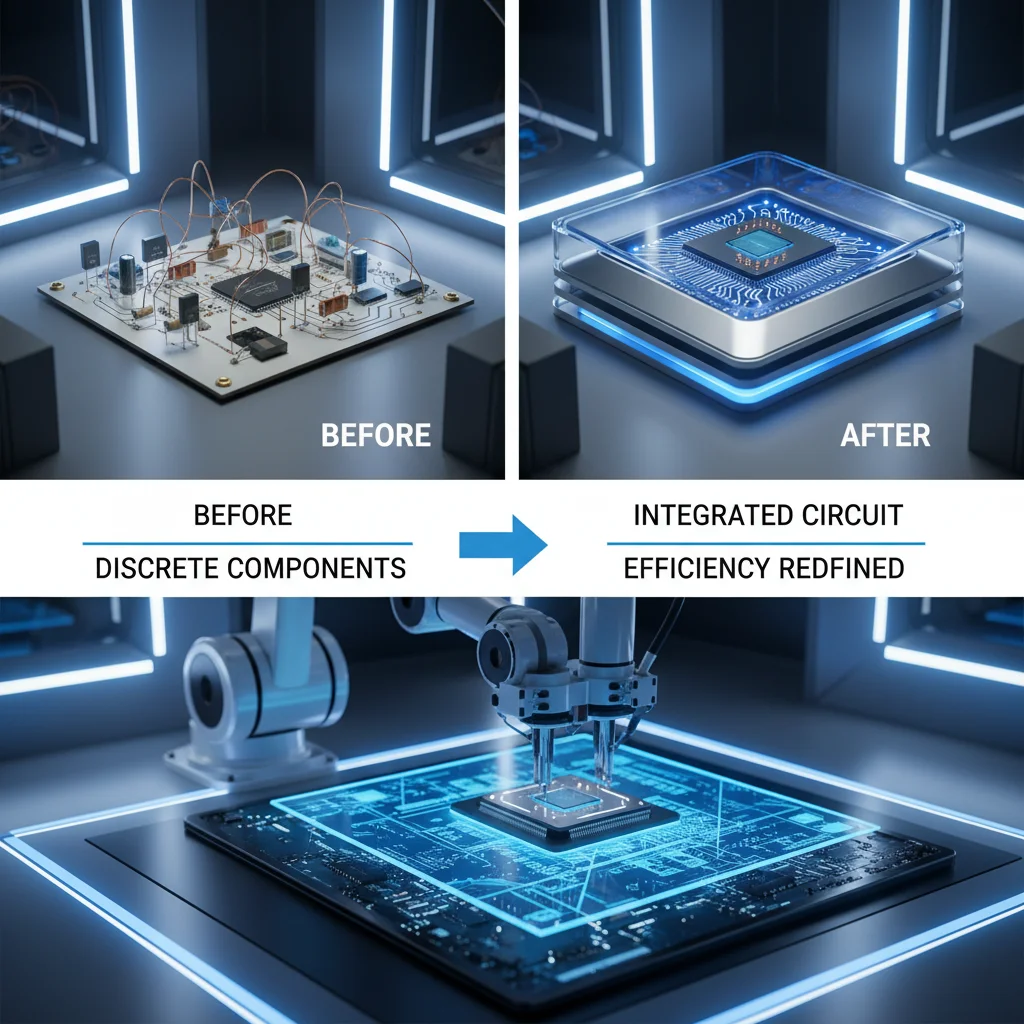
Rather than solely relying on finding obsolete parts, proactive mitigation is crucial. Component redesign, utilizing readily available alternatives with equivalent functionality, is a common strategy. This may require minor circuit modifications, but can significantly reduce long-term risks. Software-defined solutions, where functionality is implemented in software rather than hardware, can eliminate the need for specific components. Finally, carefully managing component inventories and forecasting future needs can help prevent obsolescence-related issues.
As technology continues to advance, the challenge of managing obsolete components will only intensify. Proactive lifecycle management, incorporating design for obsolescence, and leveraging advanced predictive analytics will become increasingly important. Building strong relationships with reliable sourcing partners, such as CKXIC, will be essential for navigating this complex landscape.
Effectively managing obsolete electronic components requires a multifaceted approach. From proactive planning and mitigation strategies to reliable sourcing and vigilant quality control, a comprehensive strategy is essential for ensuring the longevity and reliability of your electronic products. Don't wait for obsolescence to become a crisis – take control now.
The most effective approach is proactive lifecycle management. This includes carefully selecting components with long-term availability forecasts, designing for flexibility to accommodate alternative parts, and maintaining close communication with component suppliers. Establishing a robust Bill of Materials (BOM) management system and regularly reviewing component status are also crucial. Considering software-defined solutions can further reduce reliance on specific hardware components. Early identification of potential obsolescence issues allows for timely mitigation, minimizing disruption to production and ensuring product longevity.
Verification is paramount. Request detailed traceability documentation from the distributor, including the original manufacturer and lot number. Conduct thorough visual inspections for markings and packaging inconsistencies. Where possible, perform functional testing and compare the component's performance against its datasheet specifications. Consider using a reputable independent testing laboratory to verify authenticity and quality. Beware of unusually low prices, as they can be a red flag for counterfeit components. Always prioritize distributors with established reputations and quality control processes.
The costs of redesign can vary widely depending on the complexity of the product and the extent of the modifications required. Factors influencing costs include engineering time, prototyping, testing, and potential re-certification requirements. While there's an initial investment, redesigning can often be more cost-effective than continually sourcing increasingly expensive and potentially unreliable obsolete components. A thorough cost-benefit analysis should be performed, considering both short-term and long-term implications. The cost of failure due to a counterfeit or unreliable component can be significantly higher than the cost of redesign.
Yes, in some cases, it is possible to commission custom manufacturing of obsolete components. However, this is generally a costly option, requiring significant upfront investment for tooling, fabrication, and testing. Minimum order quantities are typically high, making it suitable primarily for large-volume applications. Finding a reliable and qualified manufacturer capable of meeting the original component's specifications is also critical. This is generally considered a last resort when redesign or alternative sourcing is not feasible.
Hit enter to search or ESC to close