What are the advantages of a digital potentiometer ic over mechanical versions?
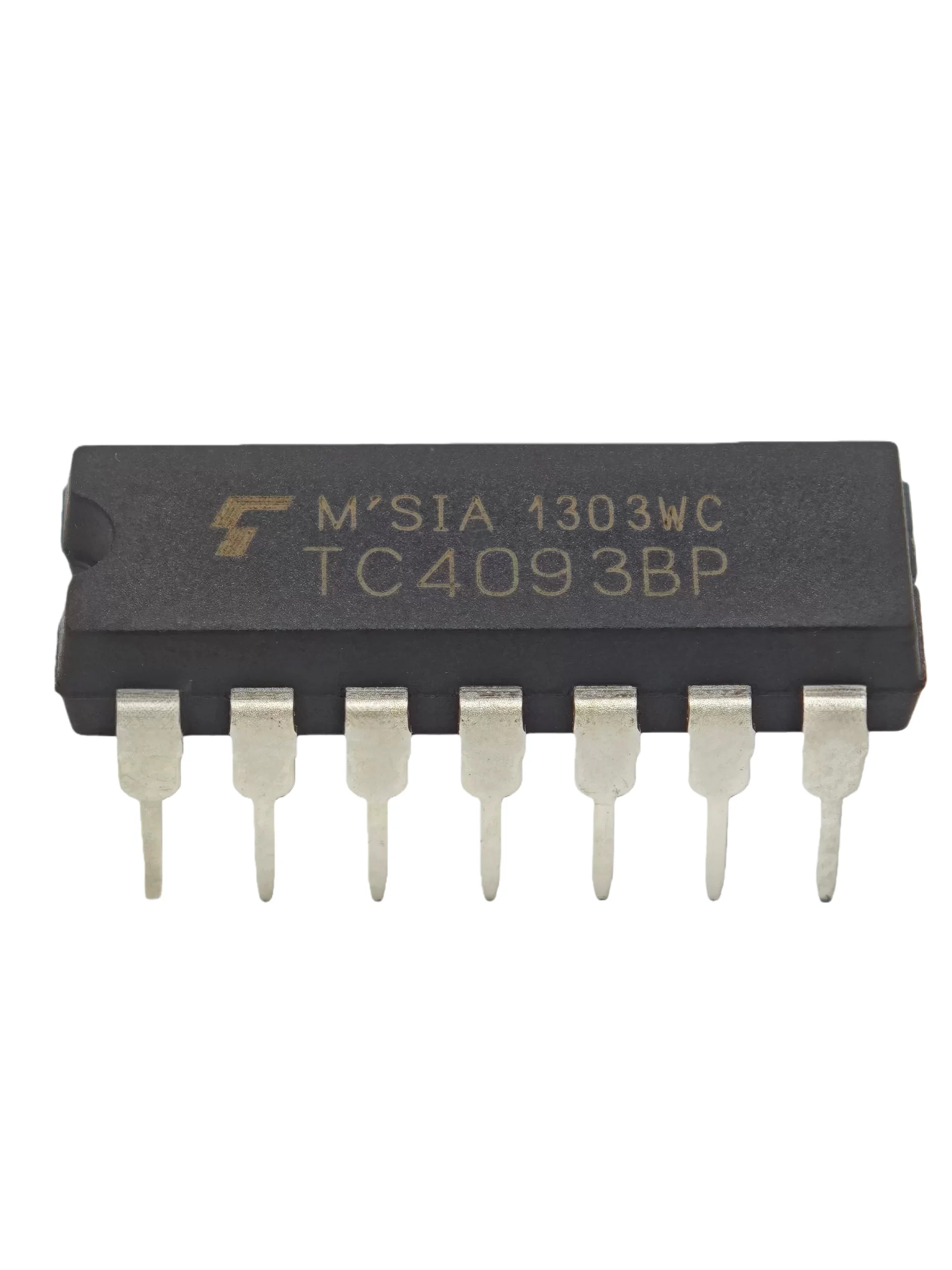
A digital potentiometer ic offers superior reliability because it has no moving parts that can wear out or become contaminated by dust. As a programmable digital pot ic, it allows for precise, automated adjustments via software. This digital resistor ic technology is far more compact than mechanical pots, making it a favorite in modern analog and digital ics designs where space and precision are at a premium.
How does a digital pot ic function within a circuit?
A digital pot ic functions as a digitally controlled resistive divider. It receives digital commands through an I2C or SPI interface to change its internal resistance. This digital resistor ic is often used to adjust the gain of an amplifier or the cutoff frequency of a filter. Because it integrates with other analog and digital ics, the digital potentiometer ic enables fully automated calibration during the manufacturing process.
Can this digital resistor ic be used for audio volume control?
Yes, the digital resistor ic is widely used in audio equipment for volume and tone control. Unlike mechanical pots, the digital pot ic ensures "zipper-noise" free adjustments when designed correctly. As a specialized digital potentiometer ic, it provides consistent performance across all channels, which is essential for high-quality analog and digital ics found in professional mixing consoles and home theater systems.
Is the digital potentiometer ic volatile or non-volatile?
We offer both types. A non-volatile digital potentiometer ic retains its resistance setting even after power is lost, which is ideal for calibration settings. A volatile digital pot ic resets upon power-up, which can be useful for certain dynamic system configurations. Both versions of this digital resistor ic are essential components in the toolkit of designers working with complex analog and digital ics.
What is the resolution of this digital pot ic?
Our digital pot ic comes in various resolutions, typically ranging from 64 to 1024 positions (taps). This high resolution allows the digital potentiometer ic to mimic a continuous analog adjustment very closely. This precision makes the digital resistor ic indispensable for fine-tuning voltage references and sensor offsets in high-accuracy analog and digital ics used in scientific instrumentation.
How do analog and digital ics work together in this device?
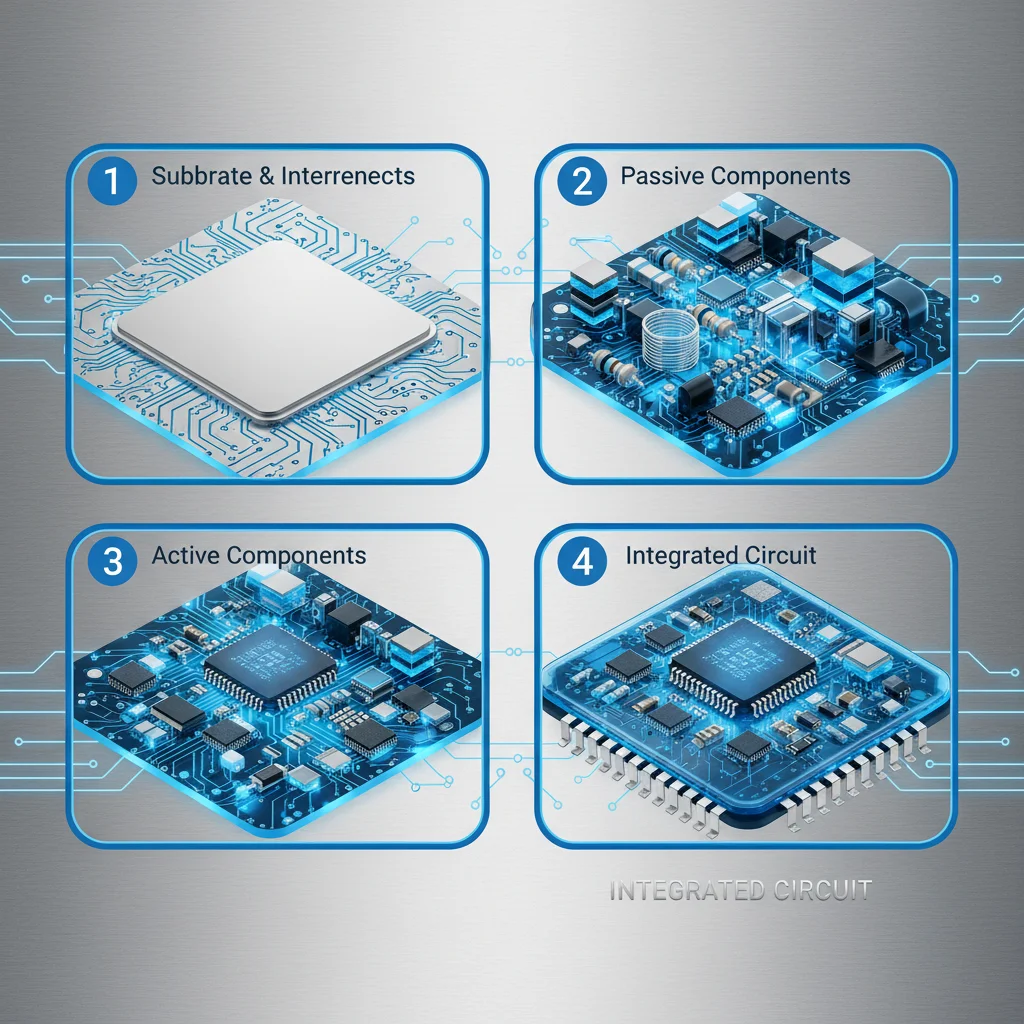
The "magic" of this device lies in how it combines analog and digital ics on a single substrate. The digital side handles the interface and memory, while the analog side consists of a resistor ladder and CMOS switches. This digital potentiometer ic architecture ensures that the digital resistor ic maintains low noise and low distortion, providing a clean analog signal path controlled by a reliable digital pot ic logic.
What is the typical voltage range for the digital resistor ic?
This digital resistor ic typically supports signal voltages from 2.7V to 5V, with high-voltage versions available for industrial use. It is important to ensure the analog signal does not exceed the power rails of the digital potentiometer ic. When correctly implemented within a suite of analog and digital ics, the digital pot ic provides a robust and flexible solution for managing signal levels in varied electronic environments.
Why choose our digital potentiometer ic for your hardware?
Choosing our digital potentiometer ic guarantees high endurance and low temperature drift. Our digital pot ic products are tested for millions of wipes, ensuring they outlast any mechanical alternative. By integrating this digital resistor ic into your analog and digital ics strategy, you improve product consistency, enable remote diagnostics, and simplify the user interface of your finished electronic devices.