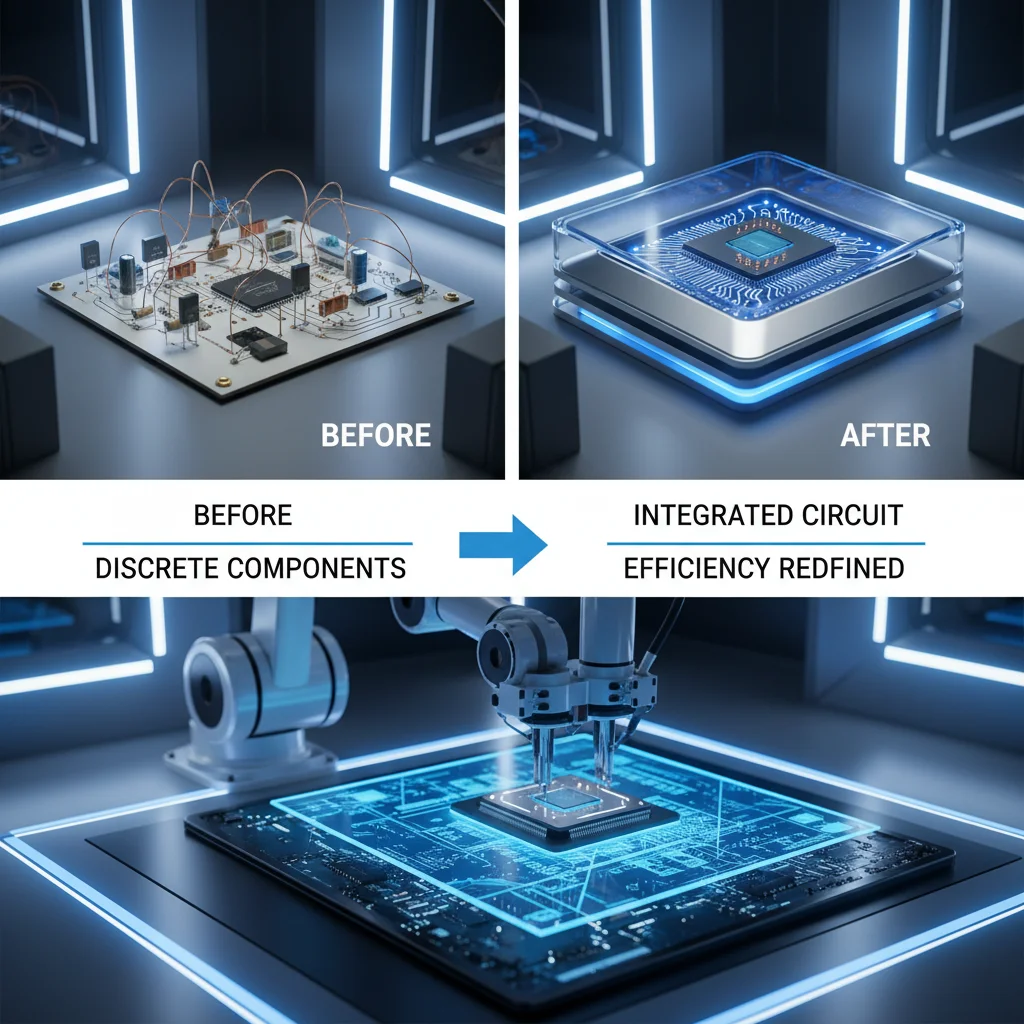
Why is a dedicated microprocessor supervisory ic safer than a discrete RC reset?
A discrete RC circuit depends on the voltage rise time, which can be inconsistent. A microprocessor supervisory ic uses a precise internal reference to trigger a reset at an exact voltage threshold. This ensures the digital ic starts only when power is stable. It provides a much more reliable digital logic ic environment, preventing the "half-state" glitches common in simpler digital electronics ic designs.
How does the "Manual Reset" (MR) input enhance system control?
The MR input on our microprocessor supervisory ic allows a physical button or another logic signal to force a clean system reset. This is a vital feature for debugging or user-initiated recoveries. By integrating this into the digital ic, we eliminate the need for external debouncing circuitry. It’s a smart digital electronics ic addition that ensures the digital logic ic responds instantly and cleanly to reset commands.
What is "Brownout Protection" in the context of this digital ic?
A brownout is a temporary drop in voltage that doesn't reach zero but can corrupt data. Our microprocessor supervisory ic detects these dips and halts the digital logic ic before it executes a wrong instruction. This digital electronics ic functionality is critical for protecting flash memory and ensuring the digital ic restarts in a known good state, even during unstable power conditions.
How accurate are the voltage thresholds in your supervisory ics?
We offer thresholds with ±1% to ±2.5% accuracy. This high precision allows you to monitor tight 1.2V or 1.8V rails used by advanced digital ic processors. Unlike generic digital electronics ic solutions, our microprocessor supervisory ic ensures that the digital logic ic is never subjected to out-of-spec voltages, maximizing the long-term reliability of your product.
Does the watchdog timer in the reset ic help with "Deadlock" recovery?
Yes. If your software enters an infinite loop, it will stop "kicking" the watchdog. The microprocessor supervisory ic will then time out and reset the digital ic. This autonomous recovery is a cornerstone of modern digital electronics ic design. It provides a "safety net" for the digital logic ic, making it a preferred choice for high-availability industrial and automotive applications.
What is the power consumption in battery-powered standby mode?
Our microprocessor supervisory ic is optimized for ultra-low supply current, often less than 1.5µA. This ensures that the digital electronics ic doesn't drain the battery while the main digital ic is asleep. For IoT devices, this efficiency is crucial, as the digital logic ic supervisor remains active to guard the system while consuming negligible energy.
How does the "Reset Timeout" period prevent startup oscillation?
The microprocessor supervisory ic holds the reset signal for a fixed duration (e.g., 200ms) after the voltage stabilizes. This ensures that any power supply "ringing" has settled before the digital ic begins operation. This digital electronics ic feature provides a clean, synchronized start for all digital logic ic components on the board, preventing startup failure.
Why should B2B procurement teams standardize on our Reset ICs?
Our microprocessor supervisory ic range offers a high-reliability, low-cost alternative to expensive Japanese or American brands. We provide stable supply chains and rigorous QC for every digital ic. By integrating our digital electronics ic into your designs, you ensure a higher "First-Pass Yield" and fewer field failures for your digital logic ic products globally.