March 31, 2026
In today's interconnected world, the demand for reliable and high-quality electronic components is continuously rising. Businesses across diverse industries – from consumer electronics to automotive and industrial automation – rely on a robust supply chain to ensure seamless operations. Identifying the right electronic components manufacturers is crucial for success. This article provides a comprehensive overview of key considerations when choosing a partner, focusing on factors like quality, reliability, cost-effectiveness, and supply chain management. We’ll explore what makes a strong manufacturer and how to ensure your sourcing needs are met.
Selecting a trustworthy electronic components manufacturer isn't merely about securing parts; it's about building a strategic partnership. Poorly manufactured components can lead to product failures, warranty claims, and ultimately, damage to your brand reputation. A reliable manufacturer will consistently deliver components that meet stringent quality standards, minimize downtime, and contribute to the overall success of your products. Furthermore, a strong supply chain relationship ensures access to the latest technologies and can provide a competitive edge in the market.
Key Benefits of a Strong Partnership: Consistent quality, Reduced downtime, Enhanced product reliability, Access to new technologies, Competitive pricing.
Several critical factors should guide your evaluation process. Firstly, assess the manufacturer’s quality control processes – look for certifications like ISO 9001. Secondly, evaluate their production capacity and lead times to ensure they can meet your volume requirements and deadlines. Thirdly, examine their technological capabilities and expertise in producing the specific components you need. Finally, consider their geographical location, communication capabilities, and commitment to environmental sustainability. A thorough due diligence process is essential for mitigating risk and establishing a long-term, mutually beneficial relationship.
Essential Evaluation Criteria:
• Quality Control Certifications (e.g., ISO 9001)
• Production Capacity and Lead Times
• Technological Expertise
• Communication and Responsiveness
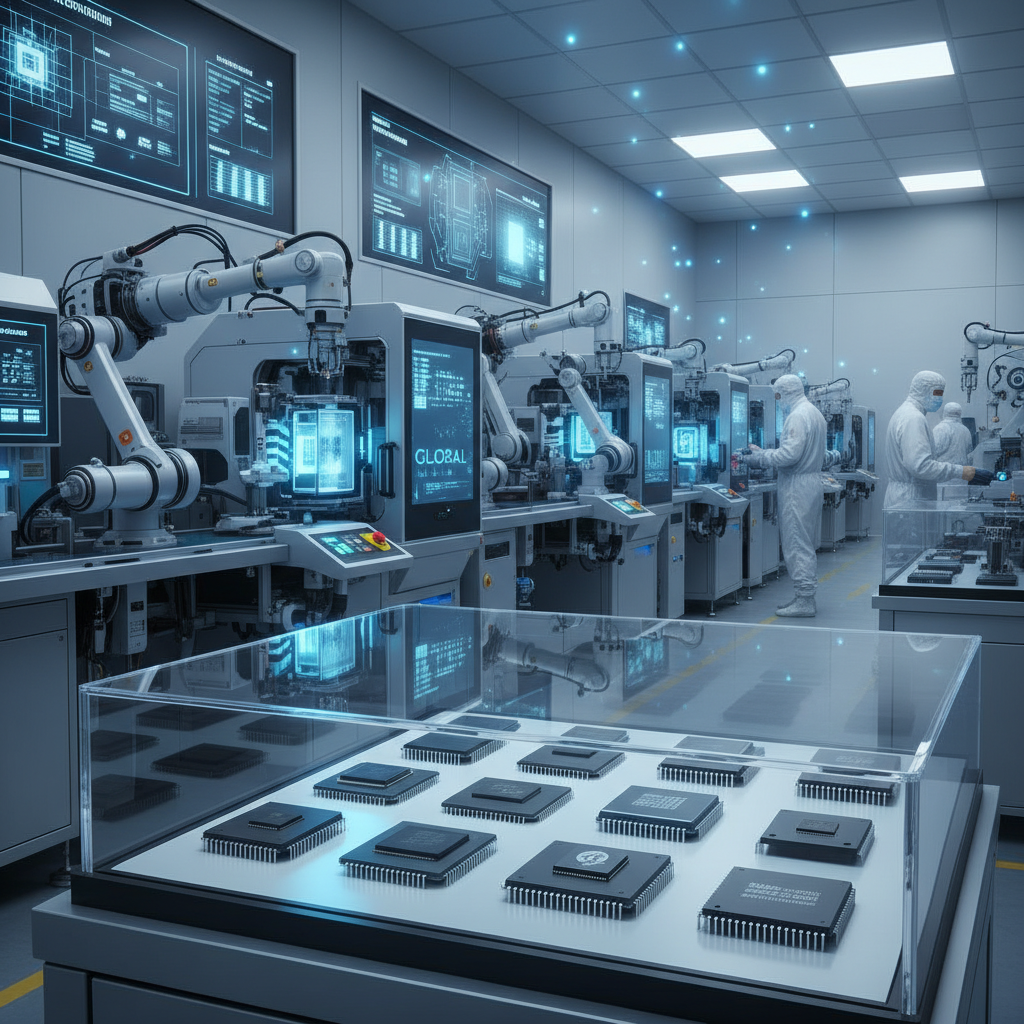
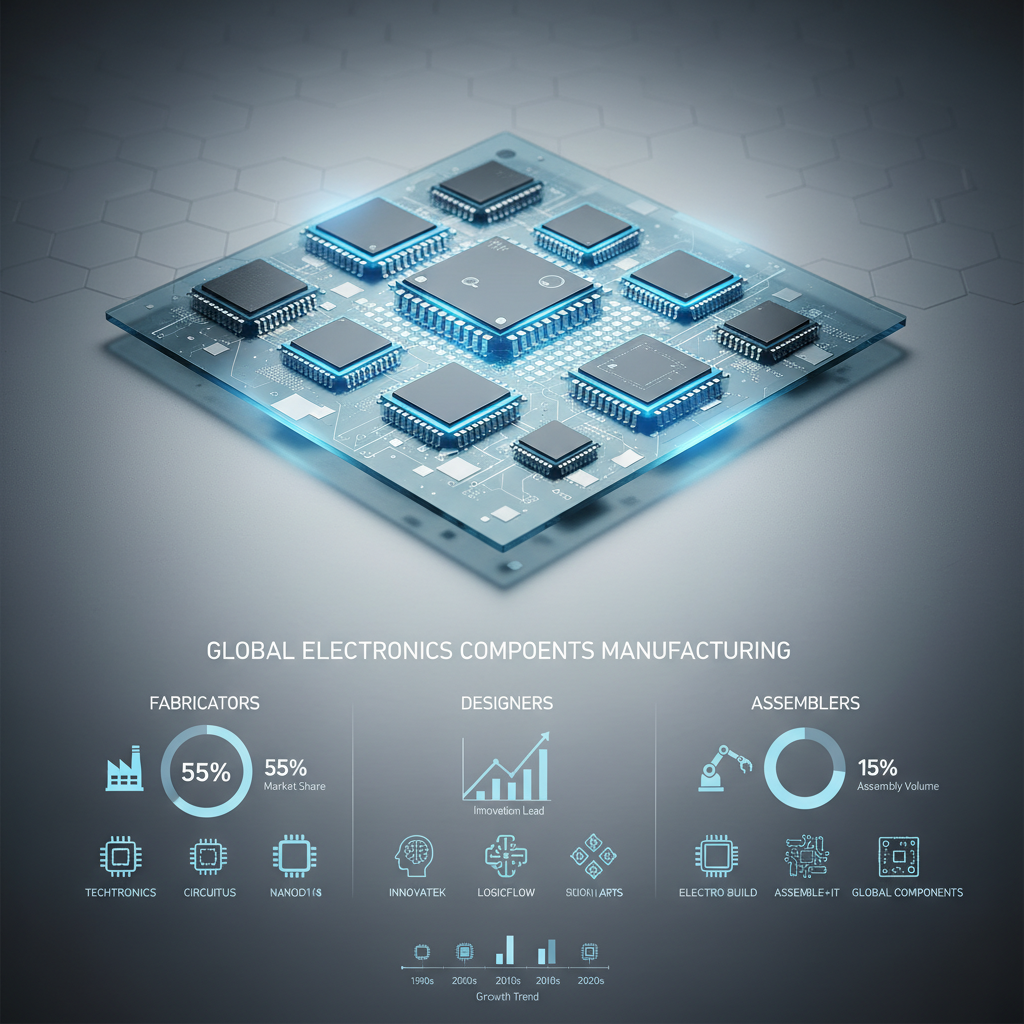
The landscape of electronic components manufacturers is globally distributed, with different regions specializing in various components and offering distinct advantages. Asia, particularly China, dominates the market due to its cost-competitiveness and large-scale production capabilities. Europe and North America often excel in specialized components, innovation, and higher-quality manufacturing. Understanding these regional strengths and weaknesses is crucial for tailoring your sourcing strategy. CKXIC leverages global networks to provide access to a diverse range of manufacturers.
Technological advancements are transforming the electronic components manufacturing industry. Automation, artificial intelligence (AI), and the Internet of Things (IoT) are enhancing efficiency, reducing costs, and improving quality control. Smart factories utilize real-time data analytics to optimize production processes and predict potential failures. Digital twins allow manufacturers to simulate and test designs before physical production, minimizing risks and accelerating time-to-market. Staying abreast of these technological trends is vital for remaining competitive.
At CKXIC, we understand the complexities of sourcing electronic components. We offer a comprehensive suite of services, including supplier verification, quality control inspections, and streamlined logistics. Our extensive network of vetted manufacturers ensures you receive high-quality components at competitive prices. We pride ourselves on transparency, reliability, and a commitment to exceeding customer expectations. Let us handle the sourcing challenges so you can focus on innovation and growth.
Choosing the right electronic components manufacturers is a strategic imperative for any business relying on electronic technology. By carefully considering factors like quality, reliability, cost, and technological capabilities, you can build a strong and sustainable supply chain. CKXIC is dedicated to simplifying the sourcing process and empowering your success.
When evaluating potential manufacturers, prioritize those with certifications like ISO 9001 (quality management system), ISO 14001 (environmental management system), and IATF 16949 (automotive quality management system). These certifications demonstrate a commitment to rigorous quality control, environmental responsibility, and continuous improvement. RoHS and REACH compliance are also crucial, ensuring the components meet environmental regulations regarding hazardous substances. Look for manufacturers who can provide documentation and traceability for their certifications.
Counterfeit components pose a significant threat to product quality and safety. To mitigate this risk, work with authorized distributors and reputable manufacturers. Conduct thorough due diligence on potential suppliers, verifying their credentials and track record. Implement robust inspection processes, including visual inspections, testing, and component validation. Consider utilizing component traceability solutions to verify the authenticity and origin of parts. Always be wary of unusually low prices, which can be a red flag for counterfeit products.
Supply chain transparency is crucial for identifying and mitigating risks, ensuring ethical sourcing, and maintaining product quality. It involves knowing the origin of components, the manufacturing processes used, and the conditions under which they are produced. Transparency enables you to track materials throughout the supply chain, verify compliance with regulations, and respond effectively to disruptions. Choosing a partner like CKXIC provides greater visibility and control over your supply chain.
Lead times – the time between placing an order and receiving the components – significantly impact your production schedule. Long lead times can cause delays, increase costs, and potentially disrupt your supply chain. It's essential to work with manufacturers who offer reliable lead times and have the capacity to meet your demands. Consider factors like geographical location, production capacity, and inventory levels when assessing lead times. Proactive communication and forecasting can help minimize disruptions and ensure timely delivery of components.
Hit enter to search or ESC to close