Power electronics components are the unsung heroes of modern life. From the grid-scale energy systems powering our cities to the tiny circuits enabling our smartphones, these components – semiconductors, capacitors, inductors, transformers, and more – are essential for efficient and reliable electricity conversion and control. They’re not glamorous, but they’re fundamental to everything from reducing energy waste to enabling the renewable energy revolution. Understanding them isn't just an academic exercise; it's crucial for tackling global challenges like climate change and energy access.
The demand for advanced power electronics components is exploding. The global market is projected to reach staggering figures in the coming years, driven by trends like electric vehicles, renewable energy integration, and industrial automation. According to the International Energy Agency, increased efficiency through power electronics could reduce global electricity consumption by up to 10%. This isn’t just about saving money; it’s about reducing our carbon footprint and building a more sustainable future.
The increasing complexity of power systems and the growing need for efficient energy management make mastery of power electronics components vital for engineers, designers, and anyone involved in building the infrastructure of tomorrow. They are the core of innovations in nearly every industry and are becoming ever more central to the way we live and work.
The Importance of Power Electronics Components
Let’s be clear: these components are the backbone of modern power systems. It's not about building bigger power plants anymore, it’s about making every watt count. High-efficiency power conversion, precise control, and reliable operation – that’s what power electronics components deliver. I’ve seen firsthand how upgrading to newer components can dramatically improve system performance and reduce downtime on construction sites.
From variable frequency drives controlling massive motors to compact power supplies in delicate instruments, these components underpin a huge swathe of technology. They are essential for integrating renewable energy sources like solar and wind into the grid, ensuring a stable and reliable power supply. That integration is where we are seeing a massive shift, and it’s all dependent on the quality and performance of these components.
Global Relevance and Industry Context
The need for efficient energy management is a global imperative. As populations grow and energy demand increases, we need to find ways to do more with less. Emerging economies are rapidly industrializing, which puts a strain on existing power infrastructure. Power electronics components are crucial for modernizing these grids and ensuring reliable power access for millions. The UN Sustainable Development Goal 7 – affordable and clean energy – directly relies on advancements in this field.
The automotive industry is undergoing a massive transformation towards electric vehicles (EVs). Every EV relies heavily on power electronics components to manage battery charging, motor control, and overall system efficiency. This demand is driving innovation and creating new opportunities for component manufacturers. The World Bank has highlighted the role of power electronics in supporting sustainable transportation solutions in developing countries.
The challenge isn't just building the hardware; it's ensuring the supply chain is resilient and sustainable. Geopolitical factors and material availability can significantly impact component production and prices. We’re seeing increased efforts to diversify supply chains and invest in domestic manufacturing to mitigate these risks.
Defining Power Electronics Components
Simply put, power electronics components are the building blocks of systems that control and convert electrical energy. They take electricity in one form and transform it into another – changing voltage, current, or frequency. This includes devices like diodes, transistors, MOSFETs, IGBTs, and thyristors, alongside passive components like capacitors and inductors. They’re not generating the power, but they’re directing it, optimizing it, and making it usable.
The connection to modern industry is undeniable. Think about industrial motor drives – they use power electronics to precisely control motor speed and torque, increasing efficiency and reducing energy waste. In renewable energy, inverters convert the DC power generated by solar panels into AC power that can be fed into the grid. Without these components, a lot of the technologies we rely on simply wouldn’t work.
Even on a humanitarian level, the importance is clear. Portable solar power systems, relying on efficient power electronics, can bring electricity to remote communities and provide essential power for healthcare, education, and communication. I’ve seen the difference it makes on site – a small, reliable power supply can be a lifeline in emergency situations.
Key Factors in Component Selection
When I’m selecting components for a project, it’s not just about the datasheet specs. Durability is paramount. Construction sites aren’t cleanrooms – components need to withstand vibration, temperature extremes, and even dust and moisture. A component that fails prematurely can bring an entire system down, and that’s costly in both time and money.
Scalability is another critical factor. Can the components handle future expansion or increased power demands? You don’t want to be stuck redesigning a system just a few years down the line. Cost efficiency matters, of course, but it's not the only metric. A cheaper component that sacrifices reliability or performance isn't a good long-term investment.
Component Performance Comparison
Applications Across Industries
The applications are truly widespread. In renewable energy, we're talking about large-scale grid inverters, DC-DC converters for solar microgrids, and power conditioning systems for wind turbines. These need to be incredibly reliable and efficient to maximize energy harvest. In the automotive industry, power electronics are critical for EV powertrains, battery management systems, and onboard chargers.
Industrial automation relies heavily on variable frequency drives (VFDs) and servo drives, which use power electronics to precisely control motor speed and torque. This improves efficiency, reduces wear and tear, and enables advanced control strategies. And even in consumer electronics – your laptop charger, your TV’s power supply – power electronics components are working behind the scenes.
Advantages and Long-Term Value
The tangible benefits are clear: reduced energy costs, increased system efficiency, and improved reliability. But it goes beyond that. Sustainable solutions driven by efficient power electronics have a positive impact on the environment, reducing carbon emissions and conserving resources. And let's not forget safety. Properly designed power electronics systems incorporate protective features that prevent damage and ensure operator safety.
Building trust with clients starts with delivering reliable, high-performance solutions. Using quality power electronics components demonstrates a commitment to long-term value and customer satisfaction. It’s not just about meeting current requirements; it’s about anticipating future needs and building systems that will stand the test of time.
Future Trends and Innovations
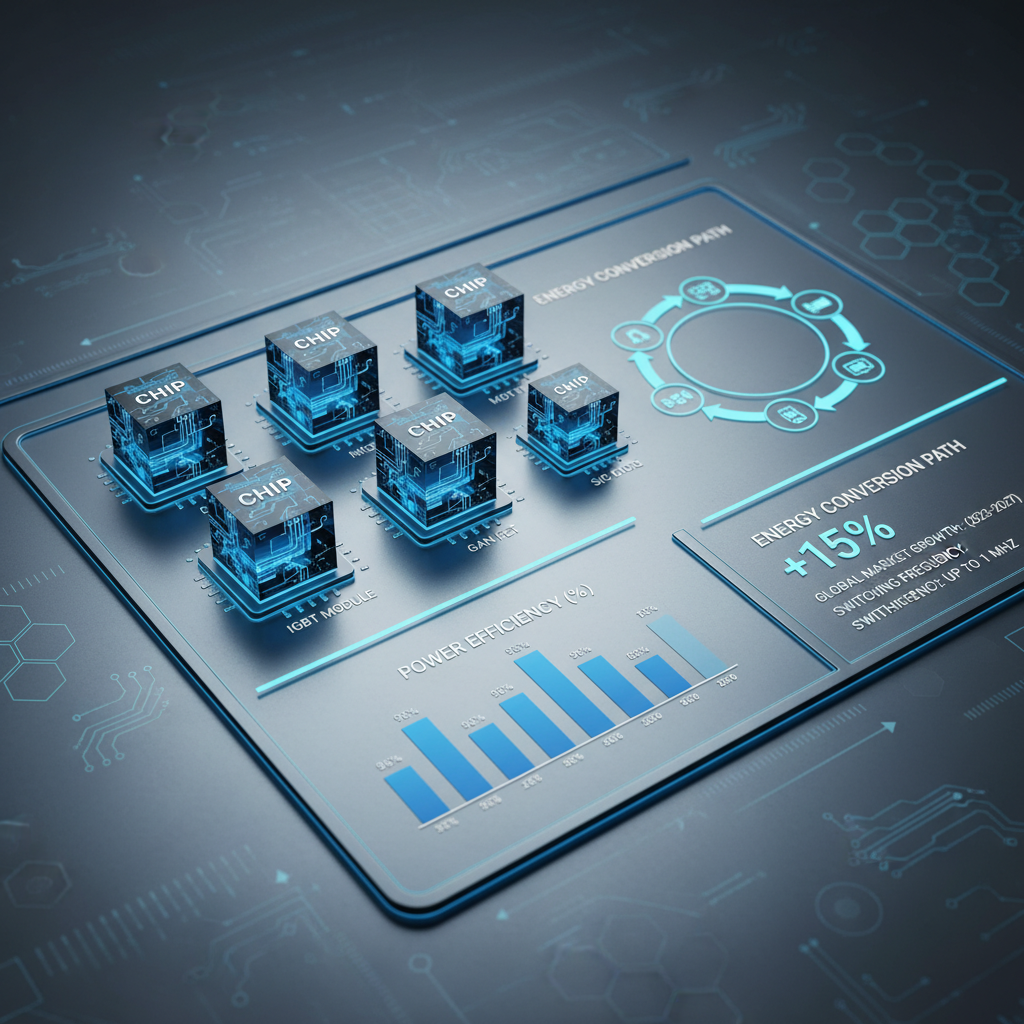
We’re seeing a huge push towards wide bandgap (WBG) semiconductors like silicon carbide (SiC) and gallium nitride (GaN). These materials offer higher efficiency, faster switching speeds, and improved thermal performance compared to traditional silicon-based devices. They're becoming essential for high-power applications like EVs and renewable energy systems.
Digitalization is also playing a major role. Advanced control algorithms, digital signal processing (DSP), and artificial intelligence (AI) are being used to optimize power conversion and improve system performance. And with the increasing focus on sustainability, we're seeing more research and development into eco-friendly materials and manufacturing processes for power electronics components.
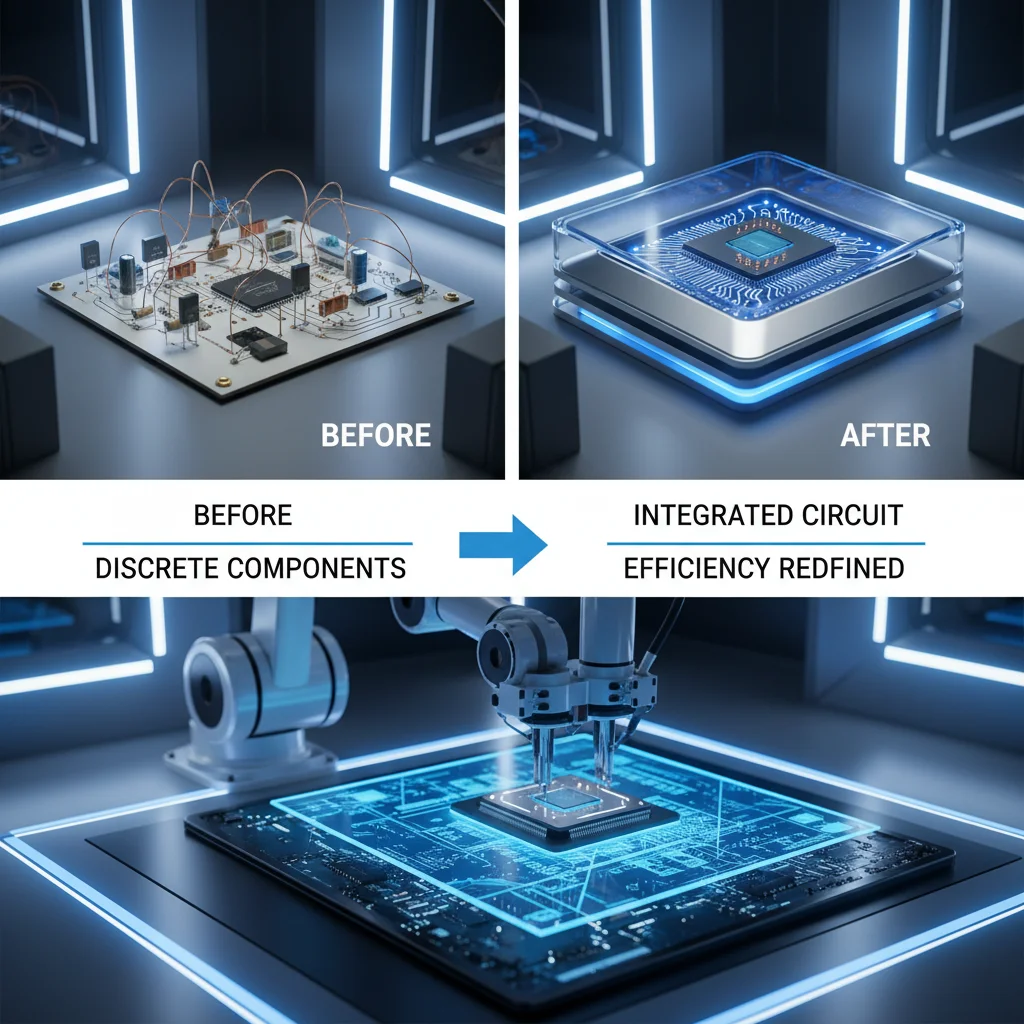
The move toward modular designs and standardized interfaces will also simplify system integration and reduce development time. This is vital for speeding up innovation and getting new technologies to market faster.
Core Trends in Power Electronics Component Development
| Technology | Efficiency Impact | Cost Factor | Implementation Complexity |
|---|
| Silicon Carbide (SiC) | High (5-10% improvement) | Moderate to High | Moderate |
| Gallium Nitride (GaN) | Very High (up to 15% improvement) | High | Moderate to High |
| Digital Control Algorithms | Moderate (2-5% improvement) | Low to Moderate | High |
| Advanced Packaging Techniques | Moderate (1-3% improvement) | Moderate | Moderate |
| Integrated Magnetics | Moderate (3-7% improvement) | Moderate | Moderate |
| AI-Powered Optimization | High (Potential for 5-10% improvement) | Moderate to High | High |
FAQS
Common failure modes include overheating due to insufficient heat sinking, voltage stress exceeding the component's rating, and degradation of internal materials over time. Contamination from dust or moisture can also lead to failures. Regular monitoring and proper thermal management are crucial for preventing these issues. On site, I’ve seen catastrophic failures from simple overheating – a properly sized heat sink is your friend!
Thermal management is absolutely critical. Power electronics components generate heat during operation, and excessive heat can significantly reduce their lifespan and performance. Effective heat sinking, forced air cooling, or even liquid cooling are often necessary to maintain safe operating temperatures. Ignoring thermal considerations is a recipe for disaster. It's often the first thing I check when troubleshooting.
MOSFETs are generally faster switching and more efficient at lower voltages, making them ideal for high-frequency applications. IGBTs, on the other hand, can handle higher voltages and currents, making them better suited for high-power applications like motor drives and inverters. The choice depends heavily on the specific application requirements.
Capacitors store electrical energy and help smooth out voltage fluctuations, while inductors store energy in a magnetic field and resist changes in current. They're essential for filtering, energy storage, and shaping waveforms in power electronic converters. You’ll find them in nearly every circuit, performing crucial supporting roles.
Component selection has a huge impact on efficiency. Lower on-resistance MOSFETs, lower ESR capacitors, and high-quality inductors all contribute to reduced power losses. Even small improvements in component efficiency can add up to significant energy savings over the lifetime of a power supply. It's worth investing in quality components.
Implementing robust protection circuits is essential. This includes using transient voltage suppressors (TVS diodes), fuses, and current limiting resistors. Properly designed snubber circuits can also help mitigate voltage spikes and protect sensitive components. Redundancy and fail-safe mechanisms are also important considerations.
Conclusion
Power electronics components are the invisible engines driving innovation across countless industries. From improving energy efficiency to enabling renewable energy integration and powering the next generation of electric vehicles, their importance cannot be overstated. Understanding their characteristics, applications, and future trends is crucial for anyone involved in the design, development, and deployment of modern power systems.
As the demand for more efficient and sustainable energy solutions continues to grow, the field of power electronics will only become more important. Investing in research and development, fostering collaboration between industry and academia, and promoting education and training are essential for ensuring continued progress. For further information and access to a wide range of high-quality power electronics components, please visit our website.