April 16, 2026
In the rapidly evolving landscape of energy management and automation, power electronics components serve as the fundamental building blocks that enable the efficient conversion and control of electrical power. From the electric vehicles (EVs) revolutionizing transport to the renewable energy grids powering our cities, these components ensure that electricity is delivered in the precise form required by the load. Understanding the nuances of these semiconductors and passive devices is critical for engineers seeking to optimize system efficiency and reliability. This comprehensive guide explores the essential types, technical advancements, and selection criteria for high-performance power electronics.
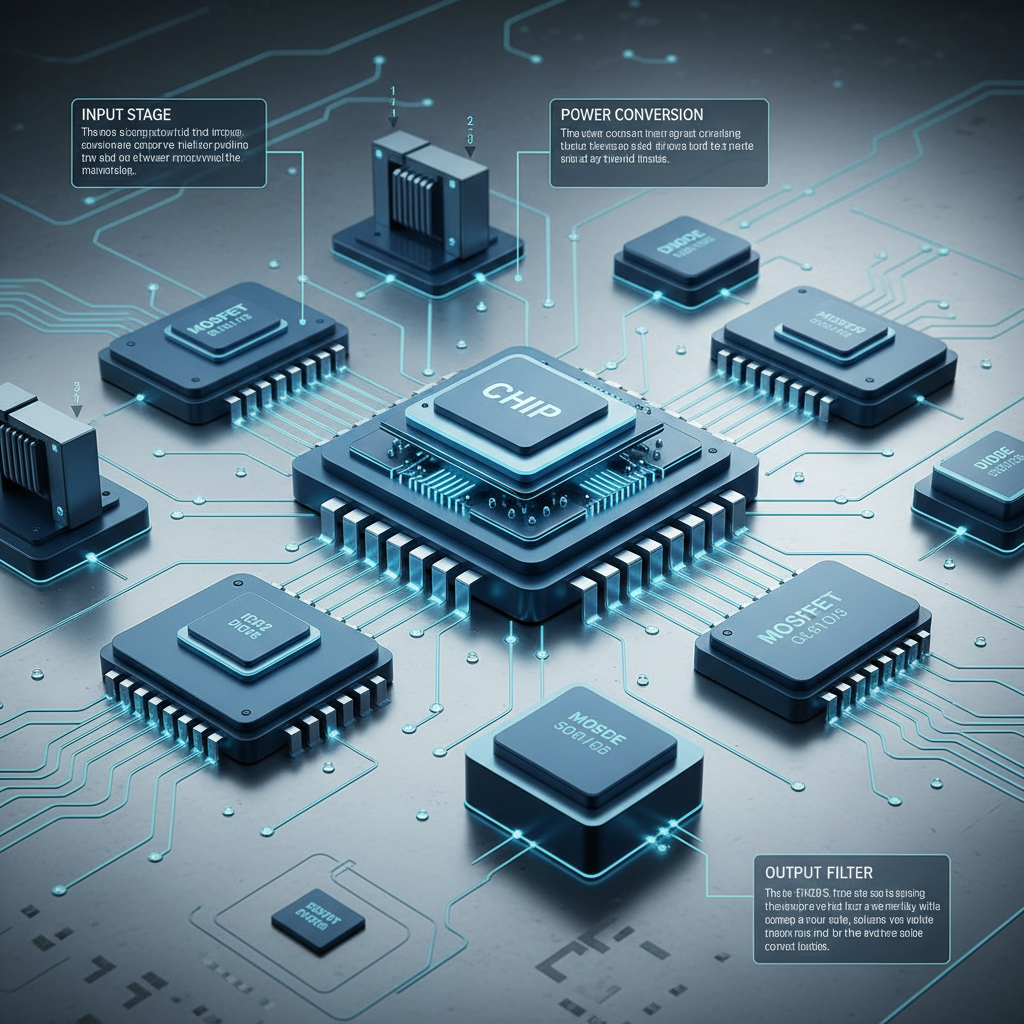
The ecosystem of power electronics components is divided into several critical categories, each serving a specific function in the power path. Power Diodes act as one-way valves for current, essential for rectification. Power Transistors, such as MOSFETs and IGBTs, function as high-speed switches that control the flow of energy with minimal loss. Additionally, Thyristors are employed in high-power applications where ruggedness is more critical than switching speed. Together with capacitors and inductors, these components create the circuitry necessary for AC-DC converters, DC-DC converters, and DC-AC inverters.
Pro Tip: Selecting the right component depends on the balance between switching frequency and power rating. While MOSFETs excel in high-frequency, low-voltage tasks, IGBTs are the gold standard for high-voltage industrial drives.
The industry is currently witnessing a paradigm shift from traditional Silicon (Si) to Wide Bandgap (WBG) materials like Silicon Carbide (SiC) and Gallium Nitride (GaN). These advanced power electronics components offer significantly lower switching losses and higher thermal conductivity. This allows for smaller heat sinks and more compact device footprints, which is particularly advantageous in aerospace and automotive design. By operating at higher temperatures and frequencies, WBG components drastically improve the overall energy efficiency of the system.
The versatility of power electronics components allows them to be integrated into almost every modern electronic system. In the Renewable Energy sector, they are used in solar inverters to convert DC power from panels into usable AC power for the grid. In Industrial Automation, Variable Frequency Drives (VFDs) utilize these components to control motor speeds with extreme precision. Furthermore, the Consumer Electronics market relies on high-efficiency switching regulators to provide stable voltage to smartphones and laptops, ensuring longer battery life and less heat generation.
When sourcing power electronics components, engineers must evaluate a specific set of parameters to avoid system failure. The Breakdown Voltage (VDSS) determines the maximum voltage the component can withstand before failure. On-Resistance (RDS(on)) is a critical metric for efficiency, as higher resistance leads to increased power loss in the form of heat. Additionally, the Maximum Current Rating ensures the component can handle the peak loads of the application without overheating. Below is a typical specification overview for common power switches.
Despite the advantages of high-performance power electronics components, integration comes with significant engineering challenges. Thermal Management is the primary concern; as components switch at higher frequencies, they generate concentrated heat that can lead to thermal runaway if not managed by advanced cooling systems. Another critical issue is Electromagnetic Interference (EMI). Rapid switching of high currents creates noise that can disrupt neighboring sensitive circuits. Implementing proper shielding and decoupling capacitors is essential to maintain signal integrity and regulatory compliance.
Integration Checklist:
• Optimize PCB layout to minimize parasitic inductance
• Implement active or passive cooling (Heatsinks/Fans)
• Use EMI filters to prevent frequency interference
• Ensure voltage margins are at least 20% above peak load
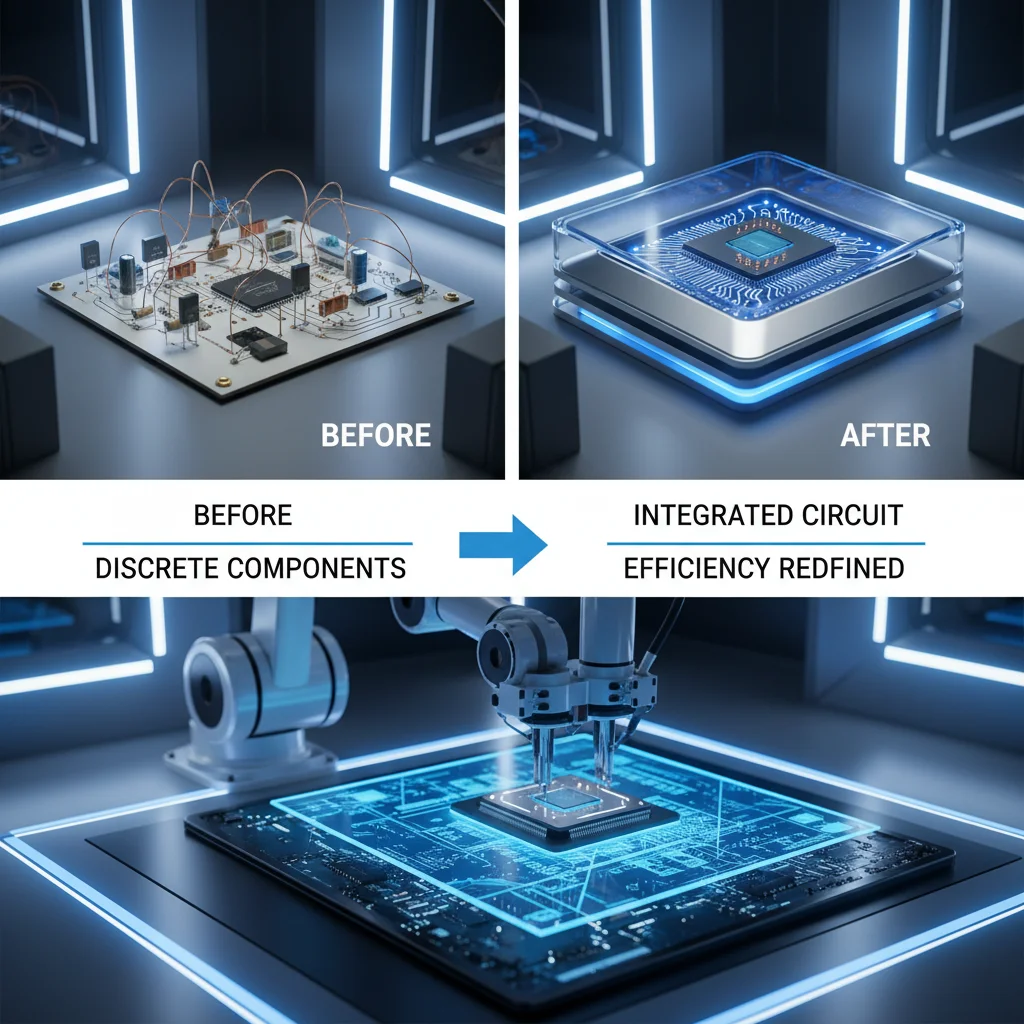
Looking ahead, the development of power electronics components is moving toward "Integration and Intelligence." We are seeing a rise in Power Modules that combine the driver and the switch in a single package, reducing the distance current must travel and further lowering losses. Additionally, the integration of AI-driven controllers allows for real-time efficiency optimization, where the system adjusts switching frequencies based on the load. This evolution will be pivotal in achieving the goals of "Net Zero" emissions by maximizing every watt of energy generated.
The selection of high-quality power electronics components is not just a technical choice, but a strategic decision that impacts the lifespan, efficiency, and cost of an entire system. Whether you are utilizing traditional Silicon for cost-effective projects or embracing the efficiency of SiC and GaN for cutting-edge applications, the focus must remain on reliability and thermal stability. By partnering with trusted suppliers and staying abreast of WBG technologies, industries can build a more sustainable and energy-efficient future.
The primary difference lies in their construction and application. A MOSFET (Metal-Oxide-Semiconductor Field-Effect Transistor) is a majority-carrier device that offers extremely fast switching speeds, making it ideal for low-voltage, high-frequency applications like DC-DC converters. An IGBT (Insulated Gate Bipolar Transistor) combines the easy drive of a MOSFET with the high-current and high-voltage capability of a bipolar transistor. While slower than MOSFETs, IGBTs are far more efficient at handling the heavy loads found in industrial motors and electric vehicle powertrains.
Thermal management is critical because power electronics deal with high currents, which inevitably generate heat due to internal resistance (conduction loss) and the process of switching (switching loss). If this heat is not dissipated, the internal temperature of the semiconductor rises, which can lead to "thermal runaway"—a state where increased heat leads to higher resistance, which in turn generates more heat, eventually destroying the component. Effective cooling via heatsinks or liquid cooling ensures the device operates within its Safe Operating Area (SOA).
Gallium Nitride (GaN) and Silicon Carbide (SiC) are wide bandgap materials, meaning they require more energy to move electrons from the valence band to the conduction band. This property allows them to withstand much higher electric fields than silicon. Consequently, they can be made thinner for the same voltage rating, which reduces the on-resistance. Furthermore, they can switch on and off much faster with fewer energy losses during the transition. This results in higher efficiency, less wasted heat, and the ability to use smaller passive components like inductors and capacitors.
Sourcing components from a reputable provider is essential to ensure authenticity and performance stability. When looking for high-grade power electronics components, it is important to check for manufacturer certifications, data sheet accuracy, and a proven track record of supply chain reliability. You can explore a comprehensive range of professional-grade power solutions and semiconductors by visiting the CKXIC official website, where industry-standard components are available for various industrial applications.
Hit enter to search or ESC to close