The rapid growth of cloud computing, artificial intelligence, and large-scale data analytics has fundamentally reshaped the global digital infrastructure. At the heart of this transformation lies the modern data center, a highly sophisticated environment where enormous volumes of digital information are processed, stored, and transmitted every second. Data centers support the operation of internet services, cloud platforms, enterprise applications, streaming media, financial systems, and AI research. None of these services would be possible without advanced semiconductor technologies specifically designed for high-performance computing and large-scale data processing.
Modern data center architecture relies on a complex network of computing processors, high-speed memory modules, high-bandwidth communication interfaces, and efficient power management solutions. These components must operate together seamlessly to deliver the computational power required for demanding workloads such as machine learning model training, scientific simulations, and global-scale cloud services. Semiconductor technologies including CPUs, GPUs, and TPUs provide the core processing power, while high-bandwidth memory modules ensure rapid data access. Additional supporting chips such as PCIe switches, server power management integrated circuits, and optical module drivers enable high-speed communication and efficient system operation.
As the demand for digital services continues to grow, data center semiconductor innovation has become one of the most important driving forces behind the advancement of computing technology. These chips enable cloud providers and enterprises to process massive datasets efficiently while maintaining system reliability and energy efficiency across large-scale computing environments.
High-Performance CPUs GPUs TPUs Driving AI and Cloud Computing Workloads
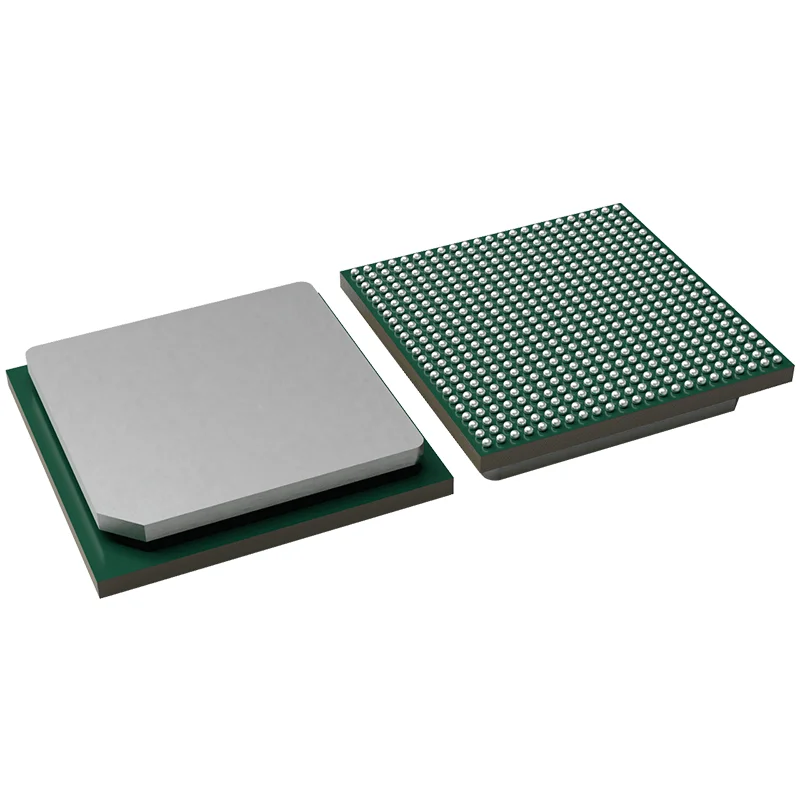
Central processing units, graphics processing units, and tensor processing units form the primary computing engines within modern data centers. Each of these processor architectures is designed to handle specific types of computational tasks, and together they provide the versatility required to support a wide range of workloads.
Central processing units serve as the general-purpose processors responsible for managing core computing tasks within servers. CPUs execute operating systems, manage application processes, and coordinate the operation of other hardware components within the server environment. Their versatility makes them essential for running a wide variety of applications, including enterprise software, database systems, and cloud services.
Graphics processing units provide specialized parallel processing capabilities that are particularly well suited for computationally intensive workloads. Originally designed for rendering graphics, GPUs have become critical tools for artificial intelligence and machine learning applications. Their architecture allows them to process thousands of parallel operations simultaneously, making them ideal for training neural networks and performing complex data analytics.
Tensor processing units represent another important advancement in data center computing. These chips are specifically designed to accelerate machine learning workloads by optimizing mathematical operations used in neural network processing. TPUs deliver extremely high performance when handling large-scale AI computations such as deep learning model training and inference. Their specialized design enables efficient processing of matrix operations that form the foundation of modern AI algorithms.
Together, CPUs, GPUs, and TPUs provide the computing foundation required for data center infrastructure. Cloud platforms rely on these processors to deliver scalable computing resources to millions of users worldwide, supporting everything from online collaboration tools to advanced scientific research.
HBM Memory Enabling Ultra-Fast Data Access for High-Performance Computing
In high-performance computing environments, memory performance is just as important as processor capability. Advanced computing workloads often require rapid access to large volumes of data, and memory bandwidth can become a critical limiting factor if it is not designed to keep pace with processing speed. High-bandwidth memory technology has emerged as a powerful solution to this challenge.
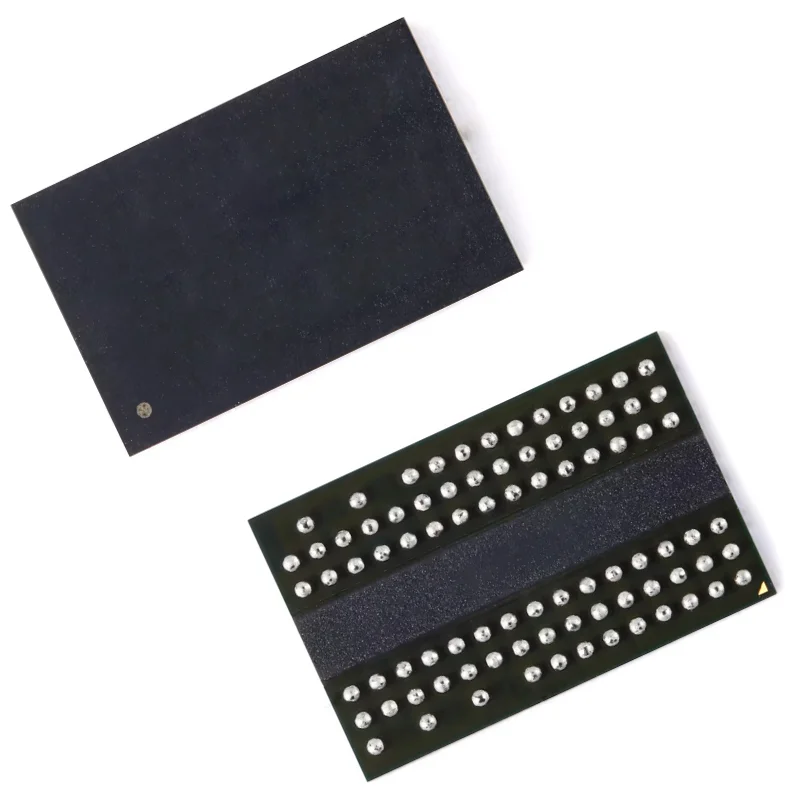
HBM memory modules are designed to provide extremely high data transfer rates while maintaining compact physical dimensions. Unlike traditional memory architectures, high-bandwidth memory uses vertically stacked memory chips connected through advanced interconnect technology. This architecture allows multiple memory layers to communicate with the processor through a wide data interface, significantly increasing bandwidth compared with conventional memory solutions.
In AI training environments, processors must continuously access large datasets and intermediate computational results during neural network processing. High-bandwidth memory provides the necessary data throughput to keep processors operating efficiently without being limited by memory access speed. This capability is particularly important in large-scale machine learning models where billions of parameters must be processed simultaneously.
HBM memory is also widely used in high-performance GPUs and specialized AI accelerators deployed in data centers. By placing memory modules close to the processor using advanced packaging techniques, engineers can reduce latency and increase data transfer efficiency. This close integration allows computing systems to handle extremely demanding workloads while maintaining energy efficiency.
As artificial intelligence models continue to grow in complexity and size, the role of high-bandwidth memory will become even more critical in supporting next-generation computing systems.
PCIe Switches Expanding Server Connectivity and High-Bandwidth Data Flow
Within a data center server environment, multiple computing components must communicate with one another quickly and efficiently. Processors, memory modules, storage devices, and accelerator cards all require high-speed interconnection to exchange data during computing tasks. PCI Express technology serves as the primary interface that enables this communication within modern servers.
PCIe switches are specialized semiconductor components designed to expand the connectivity capabilities of the PCI Express interface. These chips act as communication hubs that allow multiple devices to connect to a single processor while maintaining high data transfer speeds. By distributing data traffic efficiently across multiple pathways, PCIe switches enable servers to support a larger number of high-performance devices.
In data center environments where AI accelerators and GPU clusters are commonly used, PCIe switches play an important role in enabling scalable computing architectures. They allow multiple GPUs or specialized accelerator cards to communicate with the main processor and with each other at high speed. This capability is essential for distributed computing workloads where large datasets must be shared between multiple processors.
PCIe switching technology also supports high-performance storage solutions used in data centers. Solid-state storage devices connected through PCI Express interfaces can deliver extremely fast read and write speeds. By integrating PCIe switches into server architecture, engineers can ensure that storage devices and computing processors exchange data efficiently without creating communication bottlenecks.
As data center systems become more complex and incorporate more specialized computing hardware, PCIe switch technology will remain a key component in enabling flexible and scalable server connectivity.
Server PMICs Providing Efficient Power Management for Data Center Systems
Power consumption is one of the most important challenges in modern data center operation. Large-scale computing facilities contain thousands of servers operating continuously, and efficient energy management is essential for maintaining sustainable operating costs and reducing environmental impact. Server power management integrated circuits are designed to regulate and distribute electrical power efficiently across computing systems.
Server PMICs control voltage levels supplied to processors, memory modules, storage devices, and other components within the server architecture. These chips ensure that each subsystem receives the precise amount of electrical power required for optimal performance. By regulating voltage and current flow with high accuracy, power management circuits help prevent energy waste and protect sensitive electronic components from electrical fluctuations.
High-performance processors such as CPUs, GPUs, and AI accelerators often operate under dynamic workloads where power demand can change rapidly. Server PMIC technology allows the system to adjust power delivery in real time based on processing requirements. This adaptive power management capability improves energy efficiency while maintaining stable system operation.
In addition to regulating power within individual servers, advanced power management solutions also support energy optimization across entire data center facilities. Monitoring and controlling energy consumption at the hardware level helps operators manage cooling systems and electrical infrastructure more effectively.
As the global demand for cloud computing continues to expand, improving data center energy efficiency has become a critical priority. Server PMIC technologies therefore play an essential role in supporting sustainable and reliable computing infrastructure.