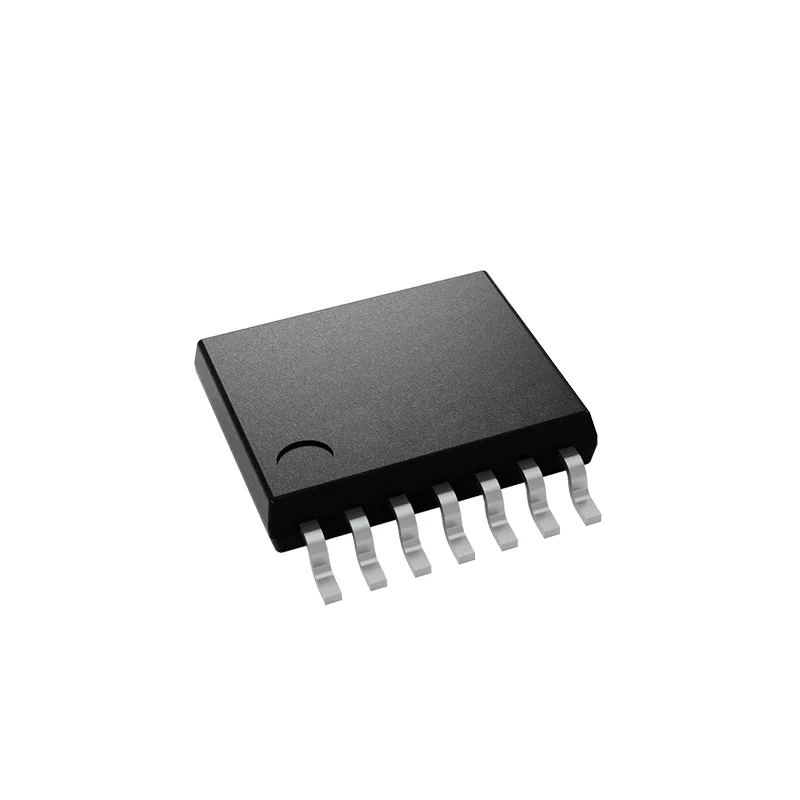
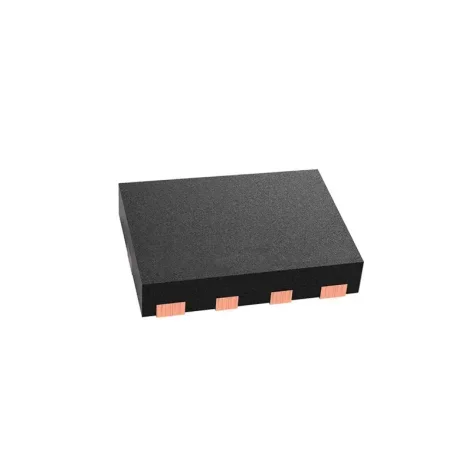
MAX32555-LBS+

MAX32555-LBS+

microcontrollers MAX32555-LBS+

Brand:

ADI

Description:

MCU

Supplier Device Package:

121CTBGA

Environmental Compliance:

RoHS

Quality:

Brand New, Original, Genuine Product

Shipping Options:

FedEx, UPS, DHL, Other


Inquiry Online
Please complete all required fields with your contact information.Click "SUBMIT" we will contact you shortly by email. Or Email us: info@ckxic.com

*

*

*

*

*

Inquiry Online
Please complete all required fields with your contact information.Click "SUBMIT" we will contact you shortly by email. Or Email us: info@ckxic.com

*

*

*

*

*

Choosing Between Microprocessor 8085 and Microcontroller 8051 for Embedded Designs FAQ

What are the fundamental differences between the Microprocessor 8085 and Microcontroller 8051?

The Microprocessor 8085 and Microcontroller 8051 represent two different design philosophies. The 8085 is a general-purpose processor that requires external RAM, ROM, and I/O ports to function, making it flexible for larger systems. In contrast, the 8051 is a "system on a chip" that integrates memory and peripherals internally. Choosing between them depends on whether your project requires the expandable nature of a microprocessor or the compact, all-in-one efficiency of a microcontroller.

How is the term Microprocessor and Processor used interchangeably in technical marketing?

While often used interchangeably, a Microprocessor and Processor can have subtle differences. A "processor" is a general term for any logic circuitry that processes data, while a "microprocessor" specifically refers to a processor where all the components are integrated onto a single integrated circuit. In our product catalog, we use these terms to describe our high-performance silicon chips that serve as the primary logic engine for computers, industrial controllers, and complex electronic systems.

Which is better for simple control tasks: Microprocessor 8085 or Microcontroller 8051?

For simple, dedicated control tasks like managing a microwave oven or a digital clock, the Microcontroller 8051 is usually the better choice. Because it has built-in timers, serial ports, and memory, it requires fewer external components, which reduces the overall cost and size of the device. The 8051's architecture is specifically optimized for bit-level manipulation, making it highly efficient for reading sensors and controlling actuators in real-time embedded environments.

In what scenarios would a Microprocessor and Processor be required over a simple MCU?

A high-performance Microprocessor and Processor is required when an application needs to run a full operating system (like Linux or Windows) or process large amounts of complex data, such as video rendering or heavy database management. Microprocessors have much higher clock speeds and can address gigabytes of external memory, providing the "brute force" computational power that a standard microcontroller simply cannot match, making them the heart of PCs and servers.

Can the Microprocessor 8085 and Microcontroller 8051 be used together in a system?

Yes, in some complex legacy systems, you might find a Microprocessor 8085 and Microcontroller 8051 working in tandem. The 8085 might handle the main system logic and user interface, while one or more 8051 microcontrollers act as "intelligent peripherals" to manage specific real-time tasks like motor control or sensor data collection. This distributed processing model allows for better organization of tasks and ensures that time-critical operations are not delayed by high-level system processing.

What are the power consumption differences between a typical Microprocessor and Processor?

A dedicated Microprocessor and Processor generally consumes more power because it operates at much higher frequencies and manages more external data buses. Microcontrollers, on the other hand, are designed for power efficiency, often featuring multiple sleep modes to conserve energy. When designing battery-powered devices, engineers must carefully balance the need for the processing power of a microprocessor against the long battery life offered by low-power microcontrollers.

How does the development cycle for Microprocessor 8085 and Microcontroller 8051 differ?

Development for the Microcontroller 8051 is often faster for small projects because of the integrated nature of the chip—you have everything you need in one package. Developing for the Microprocessor 8085 requires more hardware design work to connect external memory and peripheral chips. However, the 8085 provides a great learning platform for understanding computer architecture, while the 8051 is a "workhorse" for rapid deployment in commercial and industrial control products.

Why does your company continue to supply the Microprocessor 8085 and Microcontroller 8051?

We continue to provide the Microprocessor 8085 and Microcontroller 8051 because they remain vital for the maintenance of long-term industrial infrastructure and for educational purposes worldwide. Many legacy systems in power plants and factories still rely on these proven architectures. By offering high-quality, reliable versions of these classic chips, we support our global customers in keeping their existing operations running smoothly while also providing affordable tools for the next generation of engineers.

If you are interested in our products, you can choose to leave your information here, and we will be in touch with you shortly.