The rapid evolution of consumer electronics has been driven largely by continuous innovation in semiconductor technology. Today’s smart devices rely on a sophisticated ecosystem of integrated circuits that enable advanced computing, seamless connectivity, efficient power management, and immersive display performance. From smartphones and tablets to smart TVs, wearables, and smart home systems, specialized chips such as system-on-chip processors, memory chips, power management ICs, RF chips, and display driver ICs work together to deliver powerful and reliable functionality.
As consumer electronics products become more intelligent and interconnected, the demand for high-performance chips continues to grow globally. Semiconductor manufacturers are constantly developing new chip architectures and advanced fabrication processes to meet the increasing expectations of device makers and end users. In modern consumer electronics, chips do far more than perform simple electronic functions; they enable artificial intelligence features, real-time data processing, high-speed wireless communication, and ultra-efficient energy consumption. Understanding how these key semiconductor components function within consumer devices helps reveal why they are essential to the future of digital technology.
System-on-Chip and Application Processors in Consumer Electronics Devices
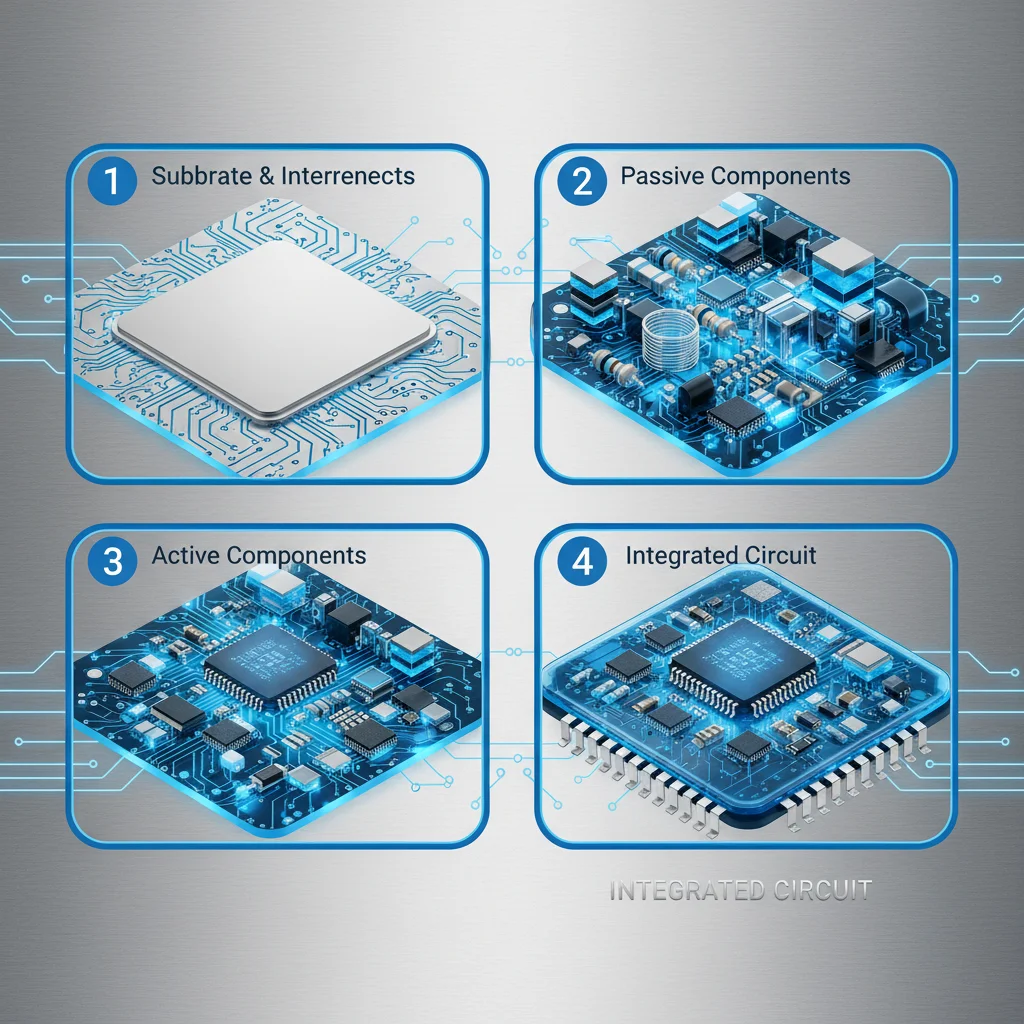
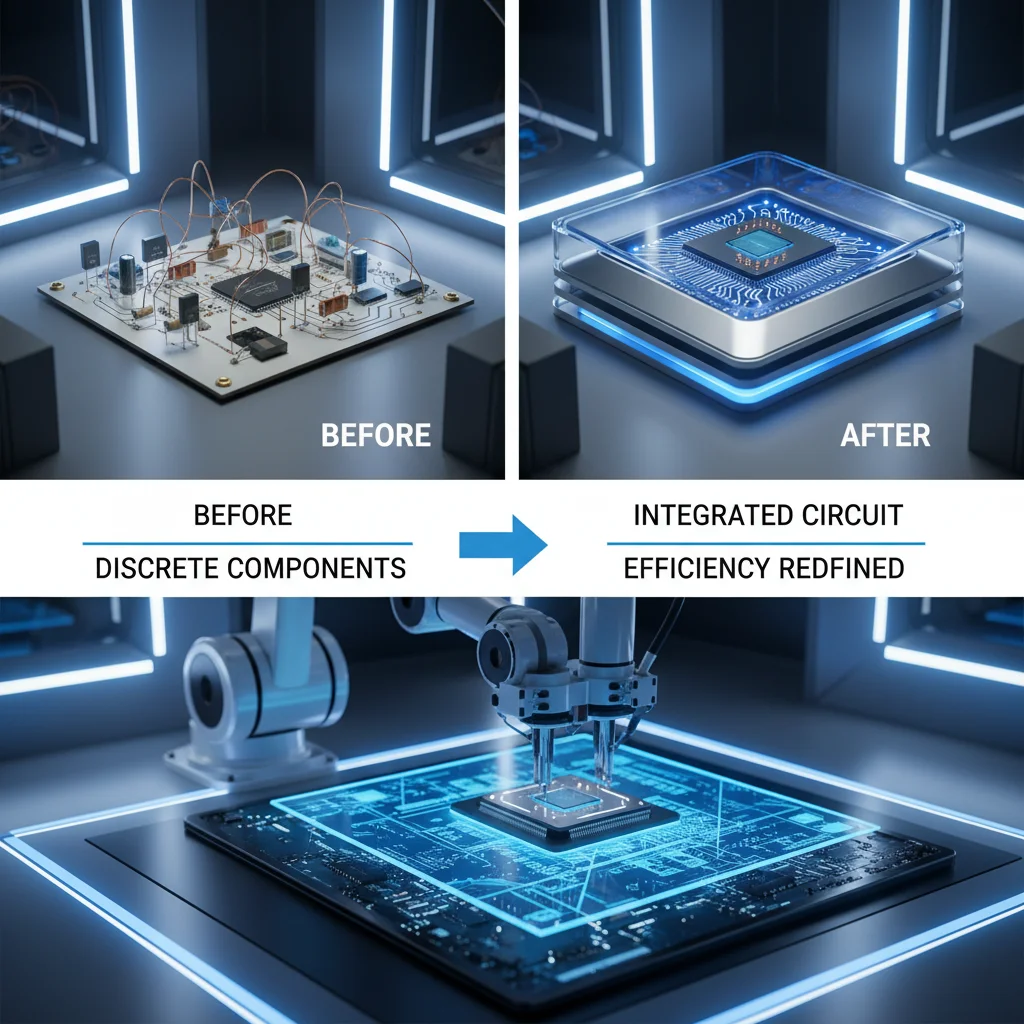
System-on-chip processors, often referred to as SoCs or application processors, are the central computing engines of most consumer electronic devices. These chips integrate multiple functional modules into a single silicon platform, including CPU cores, graphics processors, AI accelerators, multimedia engines, and connectivity controllers. By combining these components into a single integrated chip, SoCs significantly reduce power consumption, physical size, and system complexity, which makes them ideal for compact smart devices.
In smartphones and tablets, application processors handle virtually all computational tasks, including operating system execution, app processing, multimedia decoding, camera processing, and gaming graphics. High-performance SoCs are designed with multi-core architectures that enable efficient multitasking and faster processing speeds. With the integration of artificial intelligence accelerators, modern application processors can also perform advanced machine learning tasks such as facial recognition, voice processing, and real-time image enhancement.
Beyond mobile phones, SoC processors are also widely used in smart TVs, streaming devices, and gaming consoles. In these devices, the processors manage video decoding, graphics rendering, and content streaming. The ability to process high-resolution video formats such as 4K and 8K requires powerful computing performance and optimized hardware acceleration. As consumer demand for richer multimedia experiences continues to increase, SoC processors are becoming more advanced, offering improved energy efficiency and faster computing capabilities.
DRAM and NAND Flash Memory Chips for High-Speed Data Processing
Memory chips play a fundamental role in consumer electronics by enabling fast data storage and retrieval. Two primary types of memory widely used in smart devices are DRAM and NAND flash memory. Each serves a different function but works together to support device performance and responsiveness.
DRAM, or dynamic random access memory, functions as the working memory of a device. It temporarily stores data that the processor needs to access quickly while running applications or processing tasks. In smartphones and laptops, larger DRAM capacity allows multiple applications to run simultaneously without performance slowdowns. High-speed DRAM also improves gaming performance, video editing capabilities, and multitasking efficiency.
NAND flash memory serves as the primary storage medium in many consumer electronics products. Unlike DRAM, NAND flash is non-volatile, meaning it retains stored data even when the device is powered off. This makes it ideal for storing operating systems, application files, photos, videos, and other user data. Modern smartphones and tablets often use high-capacity NAND flash storage to accommodate large multimedia files and complex applications.
Advances in memory chip technology have significantly improved the performance of consumer devices. High-density NAND flash enables manufacturers to produce compact devices with large storage capacities, while faster DRAM modules ensure smooth system operation. As consumer electronics become more data-intensive, the demand for high-speed memory solutions continues to grow rapidly.
Power Management ICs Enhancing Battery Efficiency in Portable Electronics
Power management integrated circuits, commonly known as PMICs, are essential for controlling and optimizing energy usage within consumer electronics devices. Portable electronics such as smartphones, wireless earbuds, and wearable devices rely heavily on battery power, making efficient energy management critical for extending operating time and ensuring device reliability.
A PMIC regulates voltage levels, distributes power to various subsystems, and protects electronic components from electrical instability. Modern devices contain multiple electronic modules, including processors, displays, cameras, and wireless communication units, each requiring precise power regulation. The PMIC ensures that each component receives the correct voltage and current while minimizing energy loss.
Battery charging management is another important function of PMICs. Fast-charging technologies used in modern smartphones depend on advanced power management chips to safely control charging speeds while preventing overheating or battery degradation. Efficient PMIC design allows devices to charge quickly without compromising battery lifespan.
Wearable electronics place particularly strict demands on power management solutions. Smartwatches and fitness trackers must operate for extended periods using small batteries. Highly optimized PMIC architectures enable these devices to achieve long standby times while supporting sensors, wireless communication, and display functions.
As portable electronics continue to evolve, PMIC technology will remain essential in balancing performance with energy efficiency.
RF ICs Enabling Wireless Connectivity in Smart Consumer Electronics
Wireless communication is a defining feature of modern consumer electronics. Devices such as smartphones, smart speakers, tablets, and connected home appliances rely on radio frequency integrated circuits to transmit and receive signals across wireless networks.
RF ICs enable various communication standards, including cellular networks, Wi-Fi, Bluetooth, and GPS. These chips convert digital data from the processor into radio signals that can be transmitted through antennas, allowing devices to communicate with wireless infrastructure and other connected devices.
In smartphones, RF integrated circuits are responsible for maintaining stable connections across multiple wireless bands and network technologies. Advanced RF front-end modules integrate amplifiers, filters, and switches to optimize signal quality while minimizing interference. This is particularly important in densely populated urban environments where numerous wireless signals coexist.
Smart home devices also depend heavily on RF chips to connect with routers and other smart systems. Devices such as smart thermostats, security cameras, and voice assistants communicate continuously with cloud services and mobile applications. Reliable RF connectivity ensures smooth operation of these connected ecosystems.
With the global expansion of 5G networks and the rapid growth of the Internet of Things, RF IC technology is advancing quickly to support faster data speeds, lower latency, and more reliable connections.