April 07, 2026
In the world of electronics, discrete electronic components are the fundamental building blocks that enable devices to function. Unlike integrated circuits (ICs), which combine numerous components on a single chip, discrete components are individual, standalone parts. These components are essential for a vast range of applications, from simple circuits to complex systems. Understanding their roles and characteristics is crucial for anyone involved in electronics design, repair, or procurement. At CKXIC, we specialize in providing high-quality discrete electronic components to meet diverse industry needs. We are a trusted distributor connecting manufacturers with the essential parts they need.
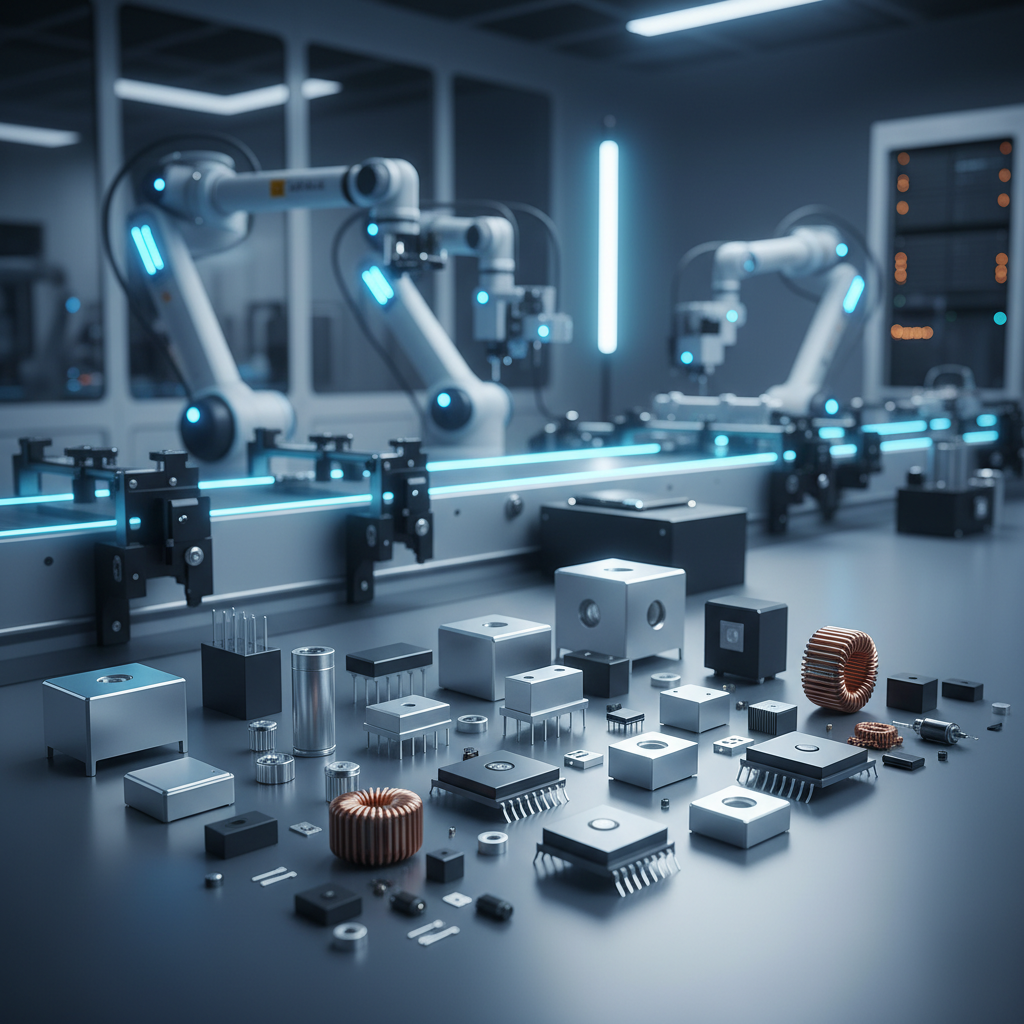
Discrete components generally fall into several primary categories. These include resistors, capacitors, diodes, transistors, inductors, and connectors. Each plays a unique role in controlling electrical current and voltage. Resistors limit current flow, capacitors store electrical energy, diodes allow current to flow in one direction only, and transistors act as electronic switches and amplifiers. Inductors store energy in a magnetic field, and connectors provide a physical interface for connecting circuits. Understanding the function of each component is vital for effective circuit design. CKXIC offers a comprehensive selection across all these categories.
Key Takeaway: Discrete components offer flexibility and customization in electronic designs, allowing engineers to create solutions tailored to specific requirements.
Let’s delve deeper into three fundamental components: resistors, capacitors, and inductors. Resistors, measured in ohms, oppose current flow. Capacitors, measured in farads, store energy and are used for filtering and timing. Inductors, measured in henries, store energy in a magnetic field and are often used in power supplies and signal processing. The choice of component value directly impacts the circuit’s behavior, and precise selection is crucial for optimal performance. CKXIC provides a wide range of values and tolerances for each of these component types.
Understanding Component Parameters:
• Resistors: Resistance (Ohms), Tolerance (%), Power Rating (Watts)
• Capacitors: Capacitance (Farads), Voltage Rating (Volts), Tolerance (%)
• Inductors: Inductance (Henries), DC Resistance (Ohms), Current Rating (Amps)
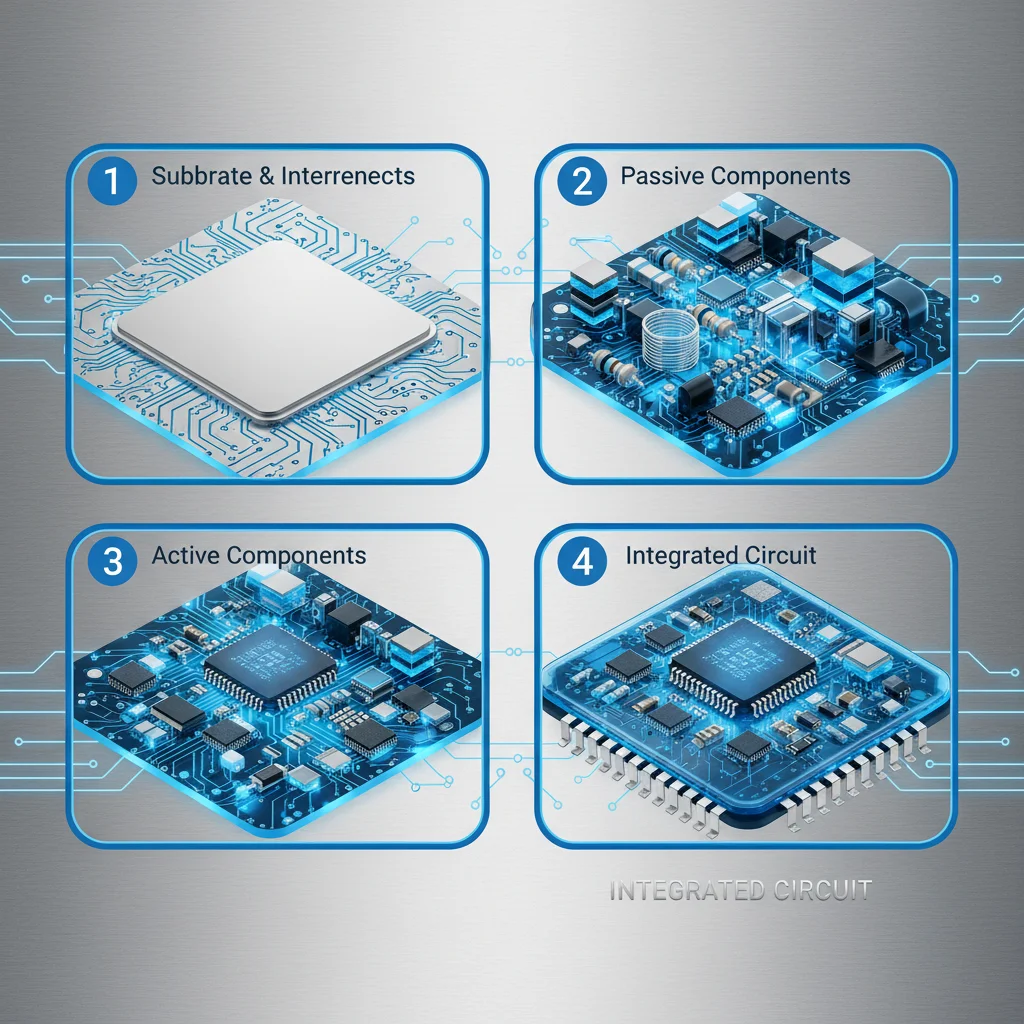
A key distinction lies between discrete electronic components and integrated circuits (ICs). ICs are miniaturized electronic circuits containing numerous components on a single semiconductor chip. Discrete components, on the other hand, are individual parts. While ICs offer high integration and reduced size, discrete components provide flexibility in design and customization. They’re often preferred for prototyping, low-volume production, and applications requiring specific component characteristics not available in standard ICs.
The applications of discrete electronic components are incredibly diverse. They are vital in power supplies, lighting systems, automotive electronics, industrial control systems, and consumer electronics. From simple LED circuits to complex motor controllers, discrete components play a crucial role. Choosing the right components with appropriate specifications is key to ensuring reliability and performance. CKXIC serves a broad spectrum of industries with our extensive component offerings.
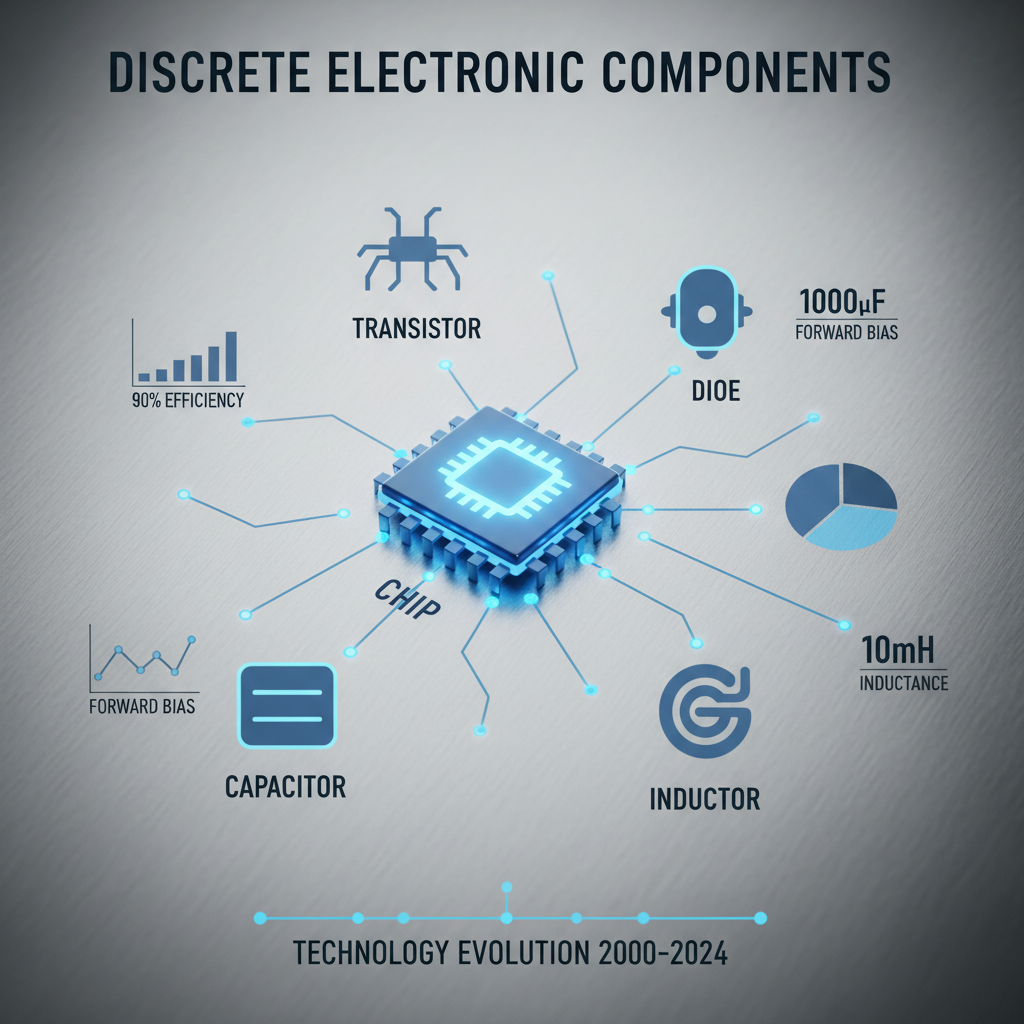
Sourcing high-quality discrete electronic components is critical for ensuring product reliability and performance. Factors to consider include component specifications, manufacturer reputation, and supply chain stability. Working with a trusted distributor like CKXIC guarantees access to genuine components, competitive pricing, and reliable delivery. We are committed to providing excellent customer service and technical support.
Understanding discrete electronic components is essential for anyone working with electronics. They are the foundation of countless devices and systems. Choosing quality components from a reliable source, like CKXIC, is vital for successful designs and dependable products.
When choosing a resistor, several factors are crucial. First, determine the required resistance value based on your circuit design. Next, consider the power rating, ensuring it can handle the expected power dissipation without overheating. Tolerance specifies the accuracy of the resistance value – lower tolerance means higher precision. Finally, the resistor’s temperature coefficient impacts its resistance value across different temperatures, important for stable performance. CKXIC offers a detailed product catalog with specifications for each resistor.
A decoupling capacitor (also known as a bypass capacitor) is used to stabilize the voltage supply to ICs. It filters out noise and transients, providing a clean power source. It's placed close to the IC’s power pins and stores energy to quickly respond to sudden current demands, preventing voltage drops. This is crucial for reliable operation, particularly in digital circuits.
Identifying counterfeit components can be challenging. Look for inconsistencies in packaging, labeling, and markings. Check the manufacturer’s website for authentication tools or verify the part number with the manufacturer directly. Price should also be a red flag – significantly lower prices than market standards often indicate counterfeit products. Always source from authorized distributors like CKXIC to ensure authenticity.
Inductors have diverse applications. They are widely used in power supplies for filtering and energy storage. In RF circuits, they’re used in oscillators and filters. They also play a vital role in motor control systems and electromagnetic interference (EMI) suppression. Their ability to store energy in a magnetic field makes them essential in many electrical designs.
Hit enter to search or ESC to close