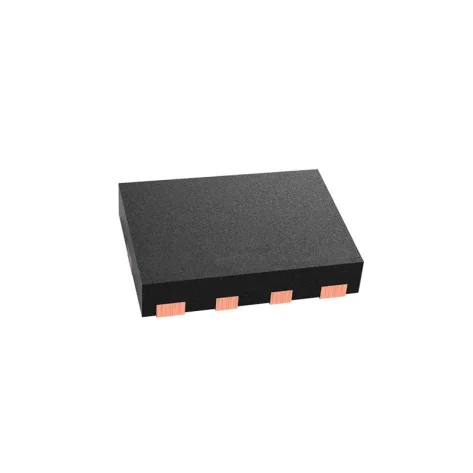
ADUC7026BSTZ62-RL

ADUC7026BSTZ62-RL

microcontrollers ADUC7026BSTZ62-RL

Brand:

ADI

Description:

MCU

Supplier Device Package:

80LQFP

Environmental Compliance:

RoHS

Quality:

Brand New, Original, Genuine Product

Shipping Options:

FedEx, UPS, DHL, Other


Inquiry Online
Please complete all required fields with your contact information.Click "SUBMIT" we will contact you shortly by email. Or Email us: info@ckxic.com

*

*

*

*

*

Inquiry Online
Please complete all required fields with your contact information.Click "SUBMIT" we will contact you shortly by email. Or Email us: info@ckxic.com

*

*

*

*

*

Advanced Laptop Microprocessor Solutions for High-Performance Mobile Computing FAQ

What are the primary design requirements for a modern Laptop Microprocessor?

A modern Laptop Microprocessor must balance raw computational power with extreme energy efficiency. Unlike desktop chips, a microprocessor in laptop applications has to operate within a very tight thermal envelope to prevent the device from overheating. This requires advanced manufacturing processes, such as 5nm or 7nm technology, which allow the chip to deliver high speeds while consuming minimal battery power. This same philosophy is pushed even further for a microprocessor in mobile phones, where space and heat are even more restricted.

How does the Microprocessor in Laptop manage battery life during intensive tasks?

The microprocessor in laptop systems uses a technology called "Dynamic Voltage and Frequency Scaling" (DVFS). It constantly monitors the workload and adjusts its speed and power consumption in real-time. When you are just browsing the web, the laptop microprocessor runs at a low frequency to save power. When you start editing video or gaming, it "boosts" its speed. This intelligent management is similar to the efficiency seen in a microprocessor in mobile phones, ensuring the user gets the best performance without draining the battery instantly.

Can a Laptop Microprocessor be replaced or upgraded by the user?

In most modern designs, the laptop microprocessor is soldered directly to the motherboard (BGA packaging) to save space and improve thermal conductivity. This means it is generally not user-replaceable. However, for specialized industrial laptops and mobile workstations, some designs still use socketed chips. For the high-volume consumer market and for any microprocessor in mobile phones, the integrated approach is the standard, requiring specialized professional equipment for any hardware-level repairs or replacements.

What is the difference between a Laptop Microprocessor and a Microprocessor in Mobile Phones?

While both focus on efficiency, a laptop microprocessor usually has a much higher thermal design power (TDP) and more powerful processing cores to handle desktop-class software. A microprocessor in mobile phones (often called a System-on-Chip or SoC) integrates even more components, including the 5G modem, GPS, and camera processors, into a single tiny chip. Both types of chips drive the mobile revolution, but the microprocessor in laptop is geared toward productivity, while the mobile chip is optimized for always-on connectivity.

How many cores are typical in a high-end Laptop Microprocessor?

Today’s high-end laptop microprocessor units typically feature between 8 and 16 cores. Many manufacturers use a "hybrid architecture" with a mix of performance cores (P-cores) for heavy tasks and efficiency cores (E-cores) for background activities. This core density allows the microprocessor in laptop to compete with desktop PCs in tasks like 3D rendering and software development, while still maintaining the portability and low-power characteristics expected of mobile computing and high-end microprocessor in mobile phones.

Does a Laptop Microprocessor include integrated graphics?

Yes, almost every laptop microprocessor now includes a powerful Integrated Graphics Processor (iGPU). This allows the laptop to handle high-definition video playback and light gaming without needing a separate, power-hungry graphics card. For professional creators and gamers, the microprocessor in laptop works alongside a dedicated GPU, but the integrated solution is what allows for the ultra-slim designs we see in modern ultrabooks and the vibrant displays managed by a microprocessor in mobile phones.

How is heat dissipated from a Microprocessor in Laptop?

Since a laptop microprocessor is housed in a thin chassis, heat dissipation is managed through a system of heat pipes and small, high-speed fans. In some ultra-portable designs, the microprocessor in laptop is designed to be "fanless," relying entirely on the metal casing for passive cooling. This requires the chip to be extremely efficient. Designing the thermal path for a microprocessor in mobile phones is even more challenging, as they rely entirely on internal layers of graphite and copper to move heat away from the silicon.

Why source your Laptop Microprocessor and mobile chips from us?

As a leading international supplier, we provide a wide range of laptop microprocessor and mobile SoC solutions for OEM manufacturers and repair centers. We understand the complex supply chains of the electronics industry and offer only genuine, high-quality components. Whether you need the latest multi-core microprocessor in laptop or specialized chips for high-end microprocessor in mobile phones, our global logistics and technical support ensure your production and repair lines stay operational in the fast-paced mobile market.

If you are interested in our products, you can choose to leave your information here, and we will be in touch with you shortly.