What is microprocessor address decoding and why is it vital?
Microprocessor address decoding is the process of translating the binary address sent by the CPU into a "chip select" signal for a specific memory or I/O device. Without accurate microprocessor address decoding, the CPU would not be able to distinguish between different memory chips or peripheral ports. We provide the processors and logic chips needed to implement precise microprocessor address decoding in your hardware.
How does a "Full" vs. "Partial" microprocessor address decoding differ?
Full microprocessor address decoding uses every address line to ensure each memory location has a unique address, while partial decoding ignores some lines to save on logic gates. Full microprocessor address decoding is essential for large, complex industrial systems to avoid memory "ghosting." Our technical guides explain how to design optimal microprocessor address decoding for your specific memory map.
What hardware is commonly used for microprocessor address decoding?
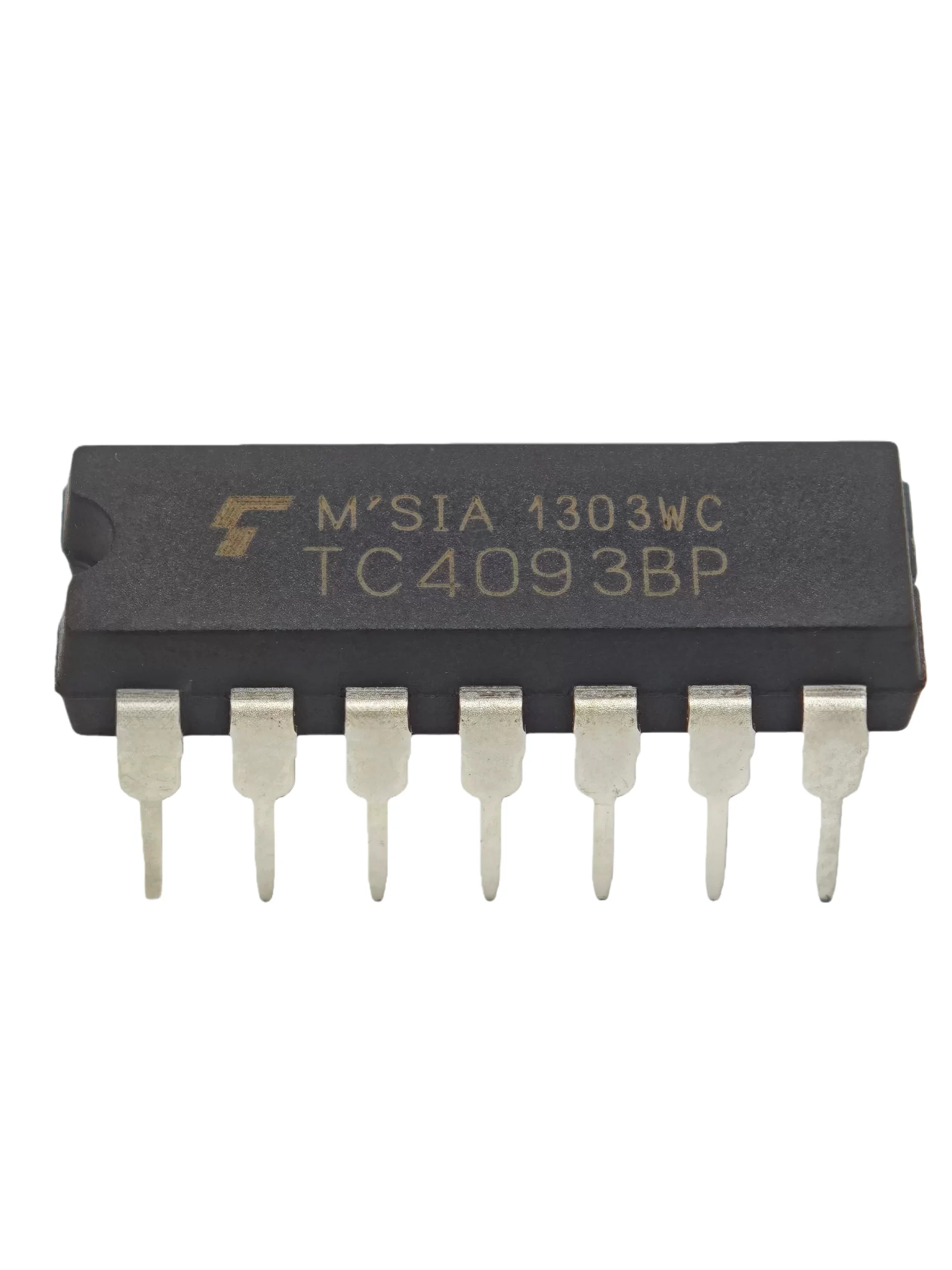
Engineers typically use 3-to-8 line decoders (like the 74HC138), PALs, or CPLDs to handle the microprocessor address decoding logic. Integrating microprocessor address decoding into a programmable chip allows for easy memory map changes later in the design cycle. We offer a full range of logic and programmable devices to support your microprocessor address decoding requirements.
Can microprocessor address decoding impact the system's access time?
Yes, the "propagation delay" of the microprocessor address decoding logic adds to the total time required to read from memory. In high-speed systems, ultra-fast microprocessor address decoding is necessary to prevent the CPU from entering "wait states." We specialize in sourcing high-speed logic chips that ensure your microprocessor address decoding is as fast as possible.
What is an "Address Map" in the context of microprocessor address decoding?
An address map is a visual diagram showing which ranges of addresses are assigned to which devices through the microprocessor address decoding logic. Creating a clear address map is the first step in designing a reliable microprocessor address decoding circuit. We provide technical support to help you plan and verify the microprocessor address decoding for your industrial controllers.
How does microprocessor address decoding handle I/O-mapped vs. memory-mapped I/O?
In memory-mapped systems, the microprocessor address decoding treats I/O ports exactly like memory locations; in I/O-mapped systems, a separate control signal is used. The choice affects the simplicity and speed of the microprocessor address decoding logic. We supply chips that support both styles of microprocessor address decoding to fit your architectural preference.
Is microprocessor address decoding still relevant in modern SoC designs?
In System-on-Chip (SoC) designs, much of the microprocessor address decoding is handled internally by a "Bus Interconnect" or "Crossbar Switch." However, external microprocessor address decoding is still needed when connecting custom FPGAs or legacy peripherals. We provide the latest SoCs with highly configurable internal microprocessor address decoding engines.
Why choose our company for your microprocessor address decoding solutions?
We have deep expertise in both legacy and modern bus architectures and understand the critical nature of reliable microprocessor address decoding. Our professional trade services ensure you get the most compatible logic and processor components for your global projects. Partner with us for a stable supply of the world's most precise microprocessor address decoding tech.