What is the main function of discrete semiconductor devices like fast recovery diodes?
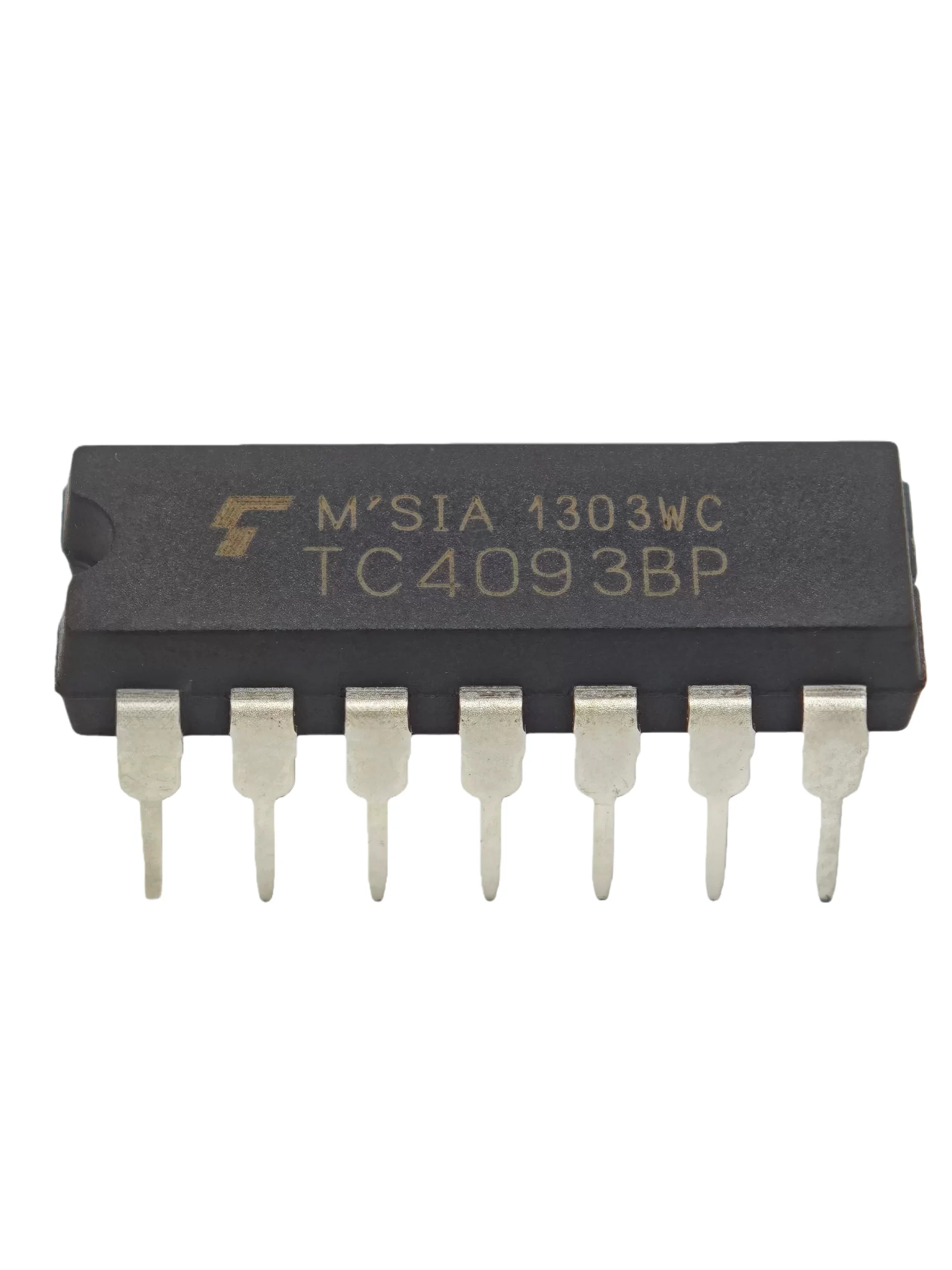
Discrete semiconductor devices, specifically fast recovery diodes, are designed to perform a single function with high precision. In a circuit, these semiconductor devices allow current to flow in one direction and shut off extremely quickly when the voltage reverses. This "fast recovery" is vital for preventing energy backflow in high-speed switching power supplies.
How do principles of semiconductor devices apply to diode rectification?
The principles of semiconductor devices dictate that a diode uses a P-N junction to create a depletion region. In rectification, these solid state semiconductor devices convert alternating current (AC) into direct current (DC). This basic but essential function is what allows semiconductor and electronic devices to power the sensitive DC components within modern computers and televisions.
Why are these components essential in the list of semiconductor devices for telecommunications?
Within any comprehensive list of semiconductor devices, diodes are fundamental because they protect sensitive signal lines. These semiconductor electronic devices clamp over-voltage signals to prevent damage to the main semiconductor chips. In telecommunications, maintaining signal integrity is paramount, and high-speed diodes ensure that data transmission remains clear and uninterrupted.
What are the typical semiconductor devices size constraints for surface-mount diodes?
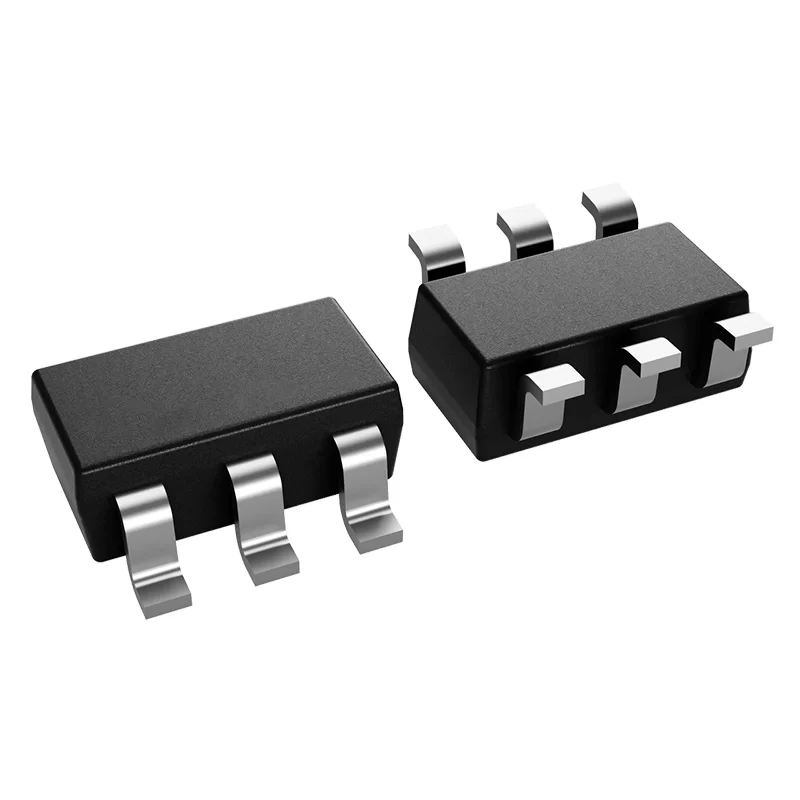
The semiconductor devices size has shrunk significantly with the rise of SMT (Surface Mount Technology). Modern semiconductor and chips are now available in tiny packages like SOD-123 or SOT-23. This miniaturization allows for the design of smaller, more portable electronic gadgets without sacrificing the power handling capabilities of the semiconductor and semiconductor devices.
How does a semiconductor distributor ensure the quality of photosensitive semiconductor devices?
A reputable semiconductor distributor performs rigorous testing on photosensitive semiconductor devices to ensure light sensitivity and response time accuracy. Whether used in light sensors or solar panels, these active semiconductor devices must meet strict optical standards. Quality assurance ensures that every chip semiconductor performs exactly as specified in the datasheet.
What distinguishes active semiconductor devices from passive components in a circuit?
Active semiconductor devices, such as transistors and diodes, can control the flow of electricity or provide gain. Unlike resistors or capacitors, these semiconductor and devices require a source of power to operate and can change their state. This ability to switch and amplify is what makes modern semiconductor devices for integrated circuits so powerful and versatile.
Are diodes considered essential components of semiconductor chips?
Absolutely. Diodes are fundamental components of semiconductor chips, often integrated by the millions into a single microprocessor semiconductor. Even when sold as individual parts, they use the same high-purity silicon found in a semiconductor car chip. Their role in logic gates and power management is indispensable for any complex electronic system.
What role do semiconductor devices and circuits play in high-frequency induction heating?
In induction heating, semiconductor devices and circuits must handle rapid oscillations. Diodes and transistors work together as semiconductor switching devices to create the high-frequency magnetic fields required. The efficiency of these solid state semiconductor devices directly impacts the heating speed and the energy consumption of the industrial equipment.