What defines a Medical Grade Microprocessor?
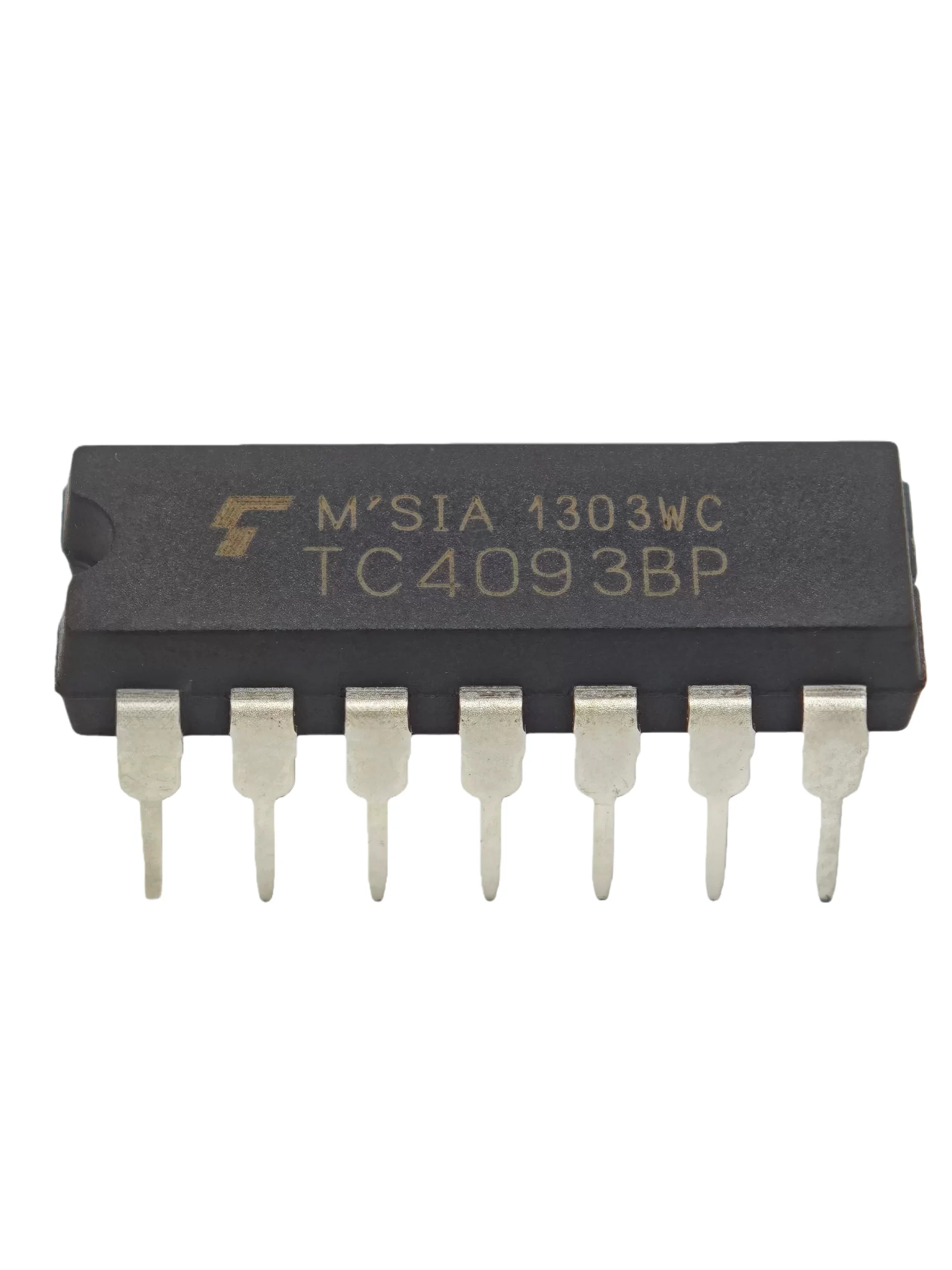
A Medical Grade Microprocessor is a specialized chip designed for use in life-critical healthcare equipment. Unlike consumer chips, these processors must meet extreme standards for reliability, long-term availability, and EMI (Electromagnetic Interference) shielding. The microprocessor in medical devices is responsible for everything from monitoring a patient's vitals to controlling the precision motors in a surgical robot.
Why is reliability the most important feature of a Microprocessor in Medical Devices?
In healthcare, a system failure can have life-threatening consequences. Therefore, a medical grade microprocessor is tested to much higher standards and often includes hardware-level redundancy. Whether it is an infusion pump or a ventilator, the microprocessor in medical devices must operate without error for years, often in 24/7 environments where stability is non-negotiable.
How do FDA Compliant Electronics impact the choice of microprocessor?
For medical equipment manufacturers, using FDA compliant electronics is mandatory. This means the medical grade microprocessor must be part of a strictly documented and controlled supply chain. Any change in the chip's design or manufacturing must be re-certified, which is why these processors are guaranteed to be available for 10-15 years, far longer than the typical lifecycle of a smartphone or PC chip.
What specific tasks does a Microprocessor in Medical Devices perform in an MRI machine?
In an MRI machine, the medical grade microprocessor (often working in an array) handles the massive amount of data required for image reconstruction. It must manage the high-speed analog-to-digital converters and process complex algorithms in real-time. Because these are FDA compliant electronics, the processors are also shielded to ensure they don't interfere with the intense magnetic fields of the medical imaging equipment.
Are Medical Grade Microprocessor units protected against cyber threats?
Yes, security is a growing priority for medical grade microprocessor design. As medical devices become more connected, they are vulnerable to hacking. Modern FDA compliant electronics include secure boot, hardware encryption, and isolated execution environments to protect patient data and prevent unauthorized changes to the device's life-saving functions.
How does the power consumption of a Microprocessor in Medical Devices affect portable monitors?
For portable medical equipment like heart rate monitors or pulse oximeters, the medical grade microprocessor must be extremely power-efficient. This allows the device to be small, lightweight, and capable of running for long periods on battery power. Despite the low power, these FDA compliant electronics must still provide the high precision required for medical diagnostics.
Can a standard Industrial chip be used as a Medical Grade Microprocessor?
While industrial chips are rugged, they often lack the specific certifications and long-term support required for FDA compliant electronics. A true medical grade microprocessor undergoes additional bio-compatibility and electrical safety testing (like IEC 60601). Using the correct microprocessor in medical devices is essential for ensuring the final product can be legally sold and safely used in a clinical setting.
Why is our company the best source for Medical Grade Microprocessor solutions?
We understand the complex regulatory environment of the healthcare industry. We provide a range of FDA compliant electronics and medical grade microprocessor units with guaranteed long-term support. Our team provides the full traceability and documentation needed for your medical device certification. Partner with us to bring the highest level of precision and safety to your medical technology projects worldwide.