Why are digital potentiometer ics preferred for high-end audio mixers?
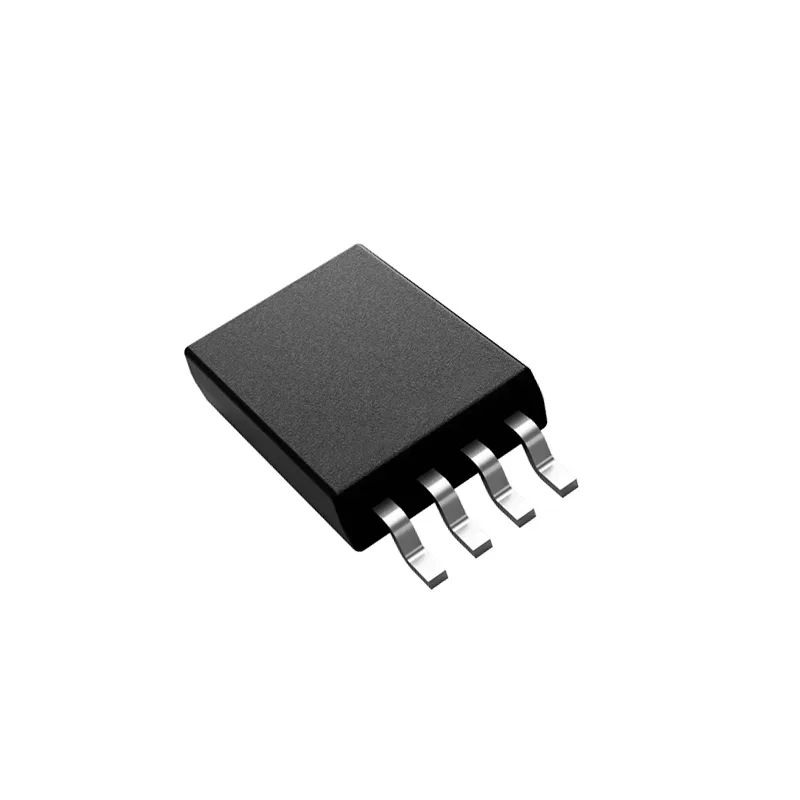
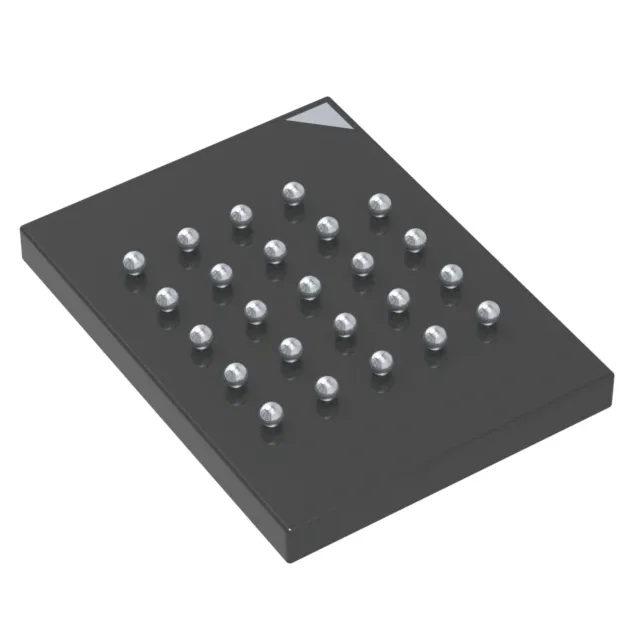
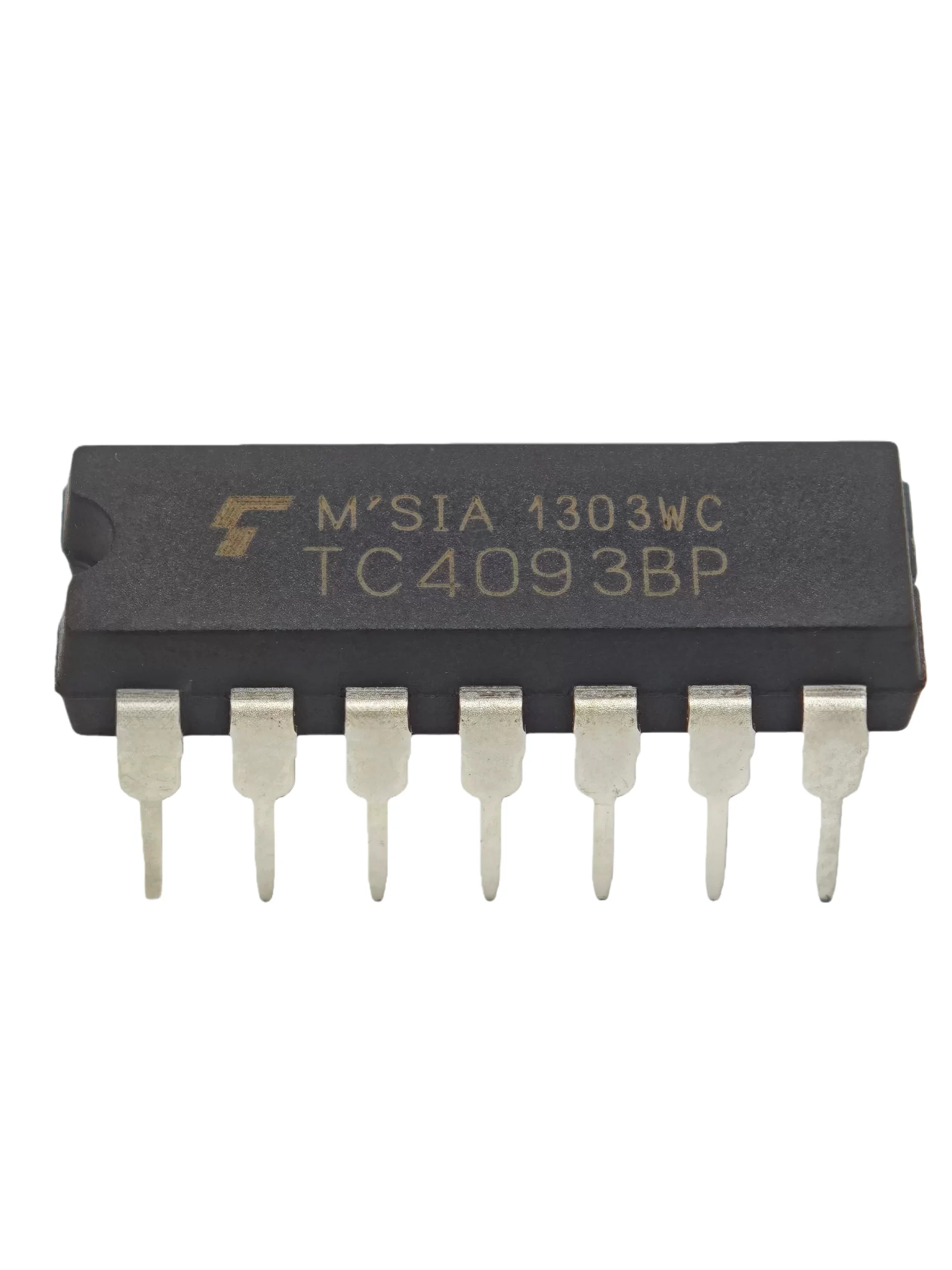
Digital potentiometer ics eliminate the mechanical noise and "scratching" sounds associated with traditional faders. As a specialized digital pot ic, these chips provide perfectly matched resistance across multiple channels. When integrated with a digital audio processor ic, they allow for software-defined gain control and scene recall, making them a more reliable and flexible digital ic solution for professional recording studios and live sound environments.
How does a digital audio processor ic work with a digital pot ic?
The digital audio processor ic acts as the system's brain, sending precise I2C or SPI commands to the digital pot ic. This allows for automated volume fades, EQ adjustments, and dynamic range compression. Because digital potentiometer ics can be updated thousands of times per second, the transitions are smooth and imperceptible to the human ear, providing a level of control that a standalone digital ic could not achieve on its own.
Can digital potentiometer ics handle high-voltage audio signals?
We offer specific versions of digital potentiometer ics that are designed for high-rail analog voltages, common in professional audio gear. Unlike a standard low-voltage digital pot ic, these components can handle the wide dynamic range of line-level signals. By using a robust digital ic interface, the digital audio processor ic can safely manage high-voltage signal paths without the risk of distortion or signal clipping.
What is the typical "step" resolution for a professional digital pot ic?
Our professional digital pot ic models typically offer 256 or 1024 steps of resolution. This high granularity ensures that volume changes are smooth and linear. In a complex system, several digital potentiometer ics can be daisy-chained and controlled by a single digital audio processor ic. This efficiency reduces the number of digital ic pins required on the main controller, simplifying the overall PCB layout.
Does the digital audio processor ic minimize "zipper noise" in digital pots?
Yes, our digital audio processor ic uses zero-crossing detection algorithms when communicating with the digital pot ic. This ensures that resistance changes only occur when the audio waveform is at zero volts, eliminating the "zipper noise" often found in cheaper digital ic setups. This feature is standard when using our premium digital potentiometer ics in high-fidelity consumer electronics and pro-audio gear.
Are digital potentiometer ics non-volatile for preset storage?
Many of our digital potentiometer ics feature integrated EEPROM. This allows the digital pot ic to remember its last position even after the power is turned off. When the system restarts, the digital audio processor ic doesn't need to re-initialize the volume levels, providing a seamless user experience. This "set and forget" capability is a major advantage of this specific digital ic category over volatile alternatives.
How does the digital ic design ensure low distortion in audio paths?
The internal architecture of our digital pot ic is optimized for linearity. During the digital ic design phase, we focus on minimizing the capacitance of the internal CMOS switches. This ensures that the digital potentiometer ics do not color the sound. When paired with a high-performance digital audio processor ic, the resulting signal chain maintains a high signal-to-noise ratio (SNR), meeting the demands of audiophile-grade equipment.
Why should audio equipment manufacturers stock our digital potentiometer ics?
Manufacturers choose our digital potentiometer ics because they combine durability with precision. A single digital pot ic replaces bulky mechanical parts, reducing assembly time and increasing product lifespan. Supported by our advanced digital audio processor ic options, we provide a complete digital control solution. As a leading digital ic supplier, we ensure that our components meet the rigorous quality standards expected in the global audio market.