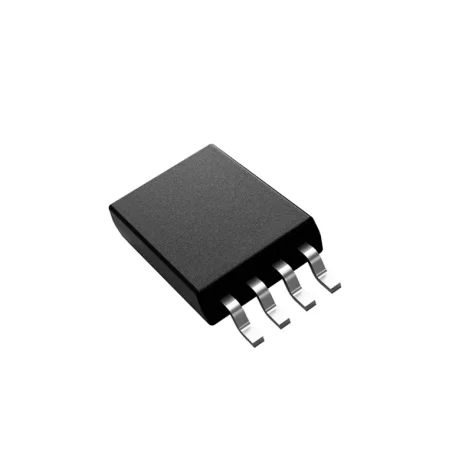
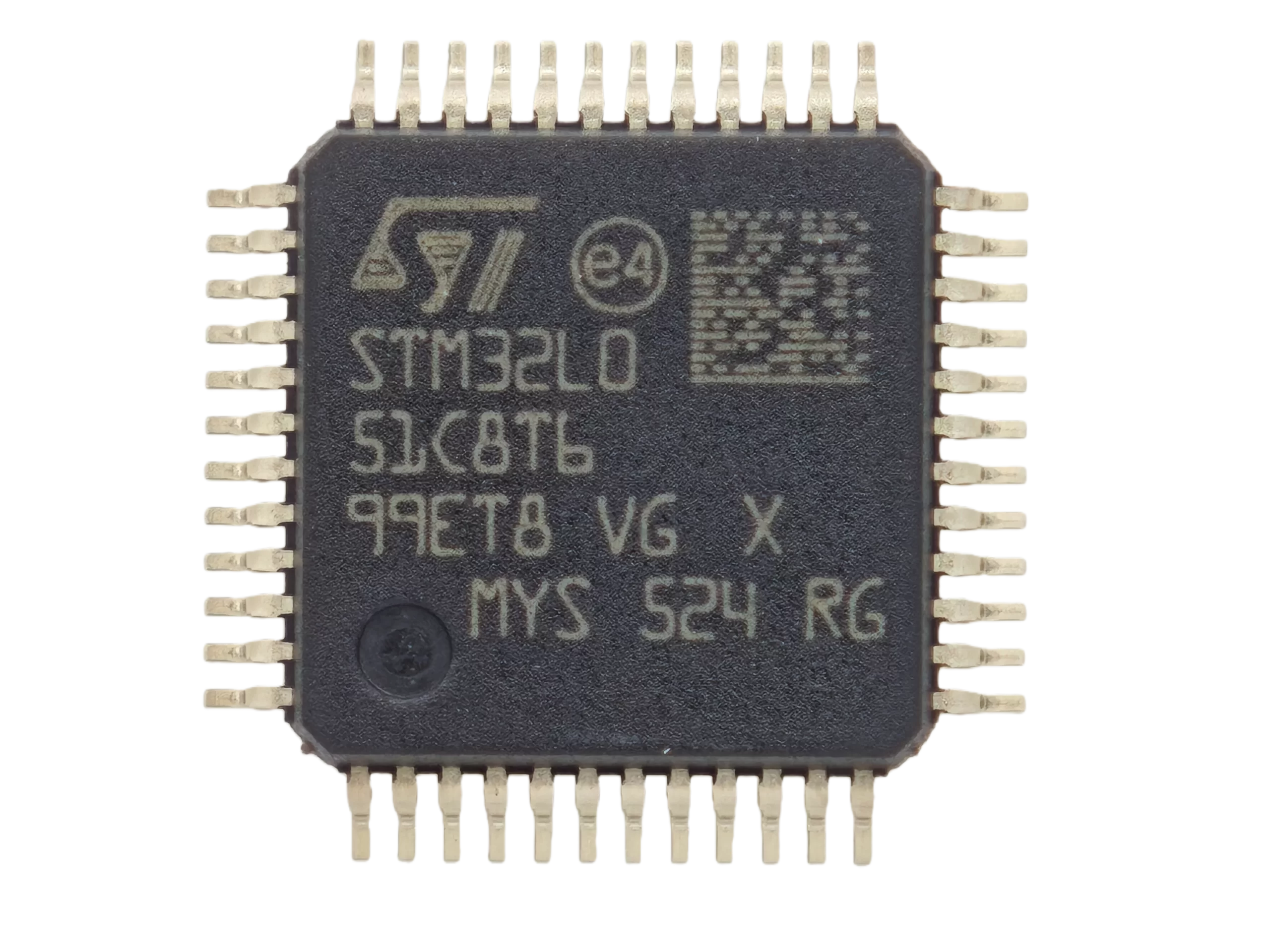
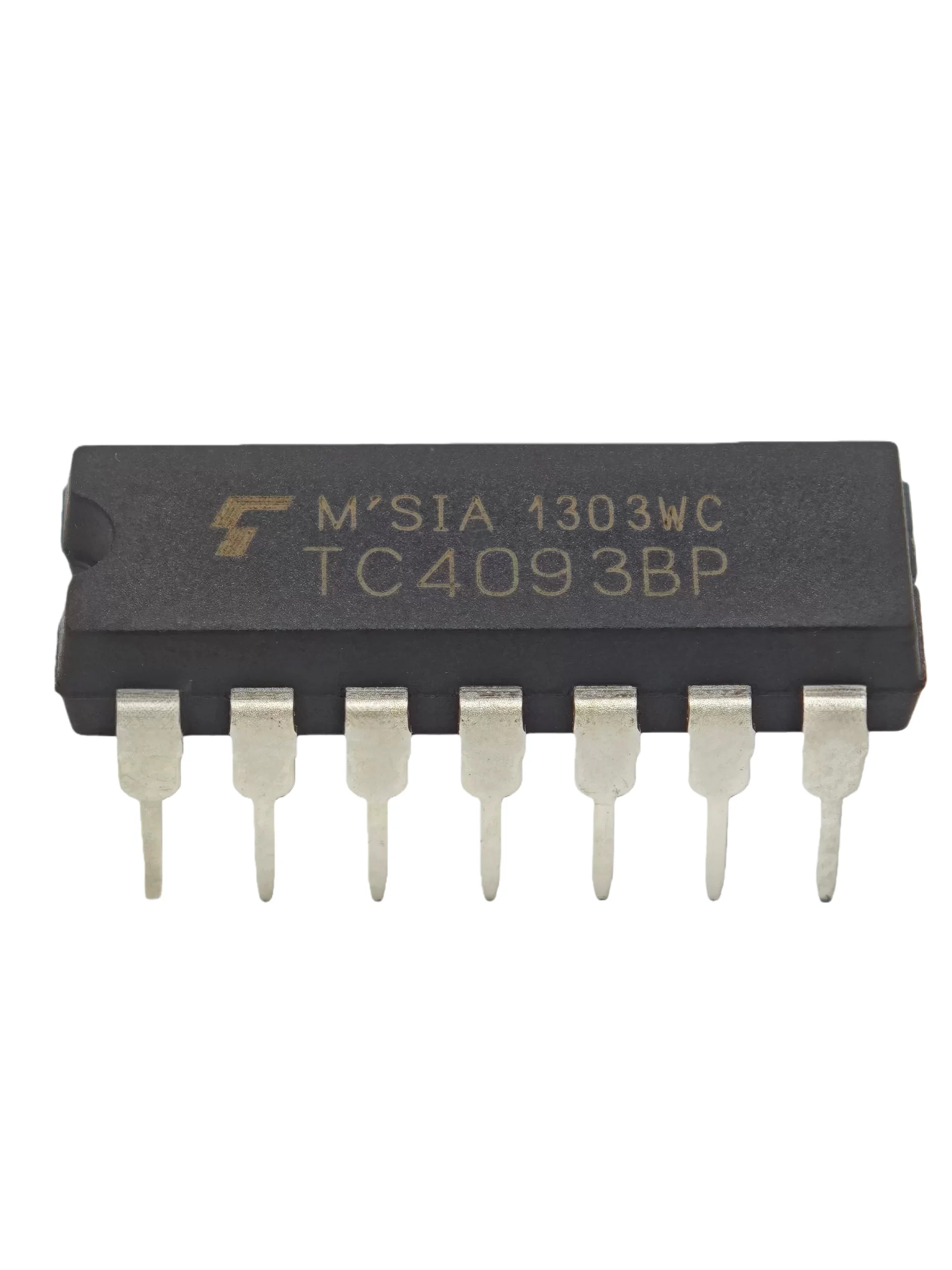
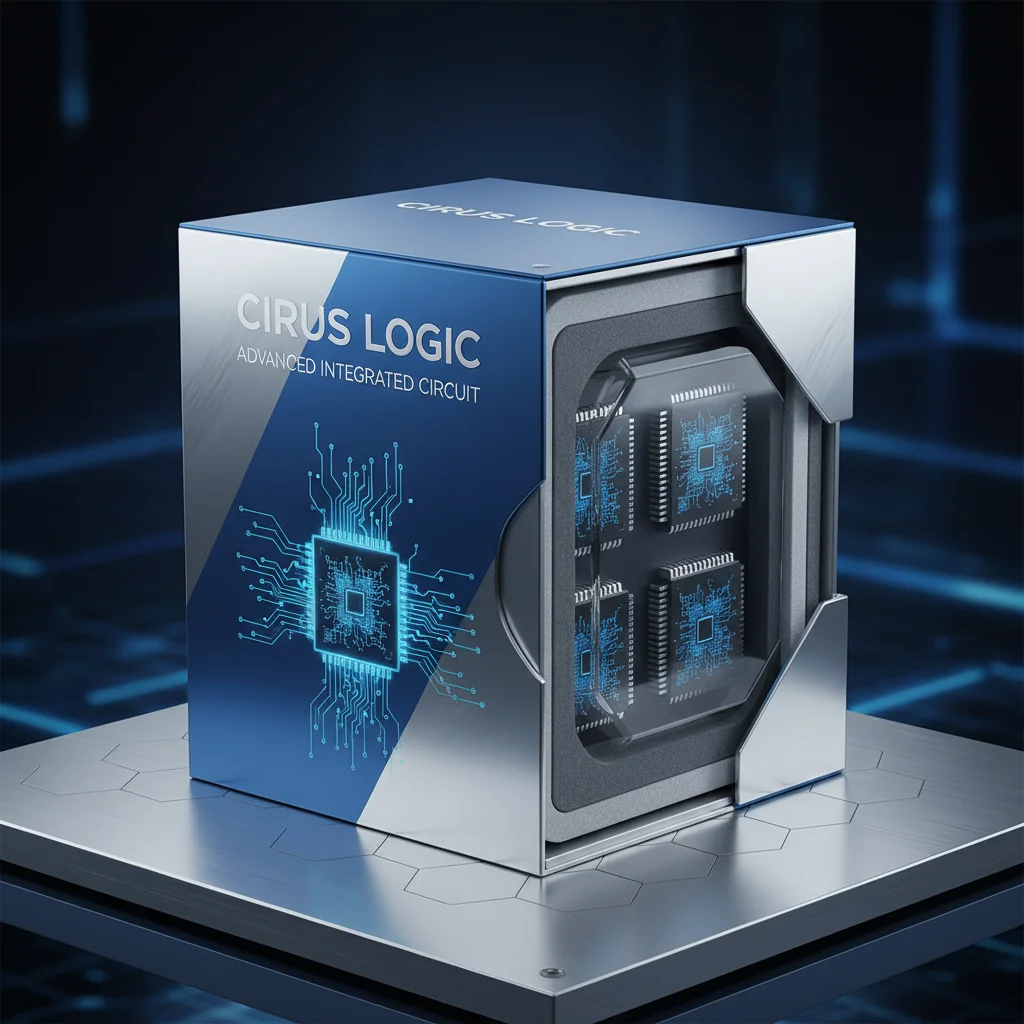
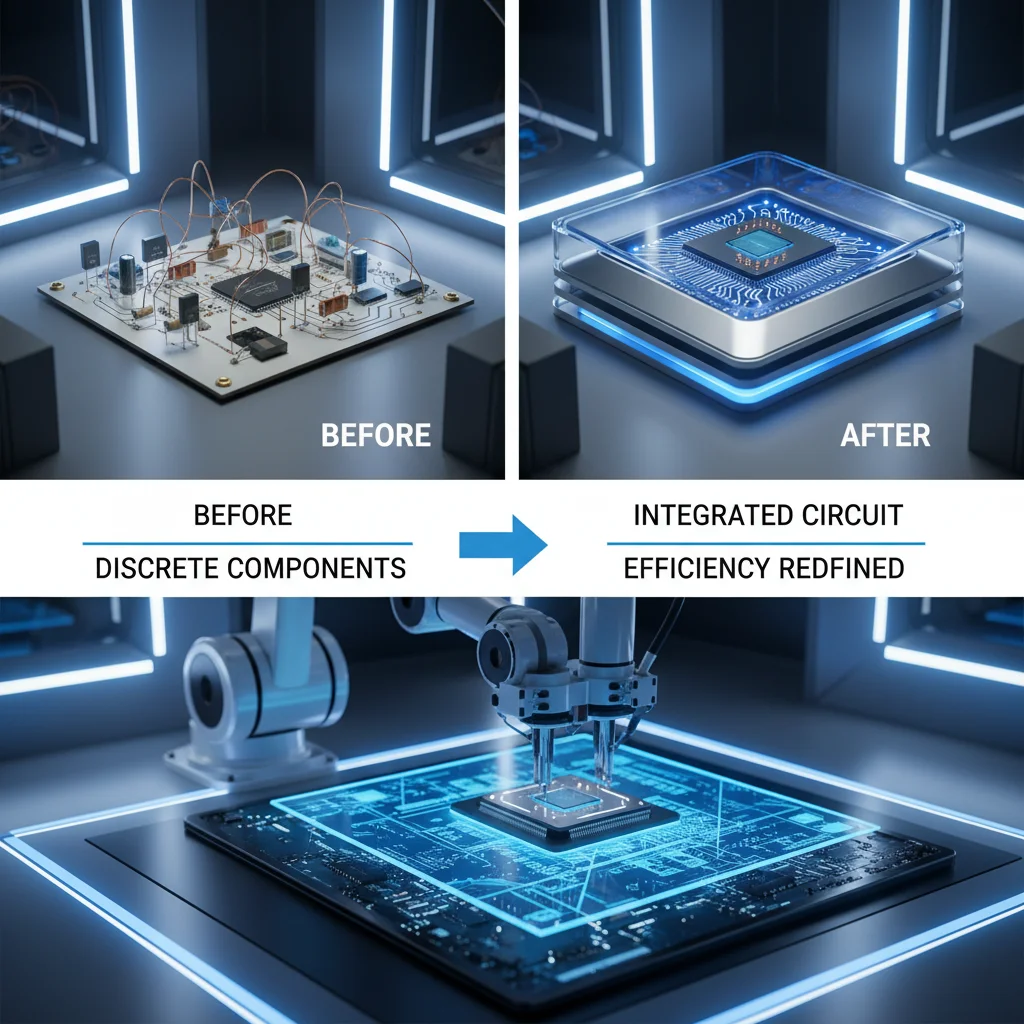
STM32F030R8T6

STM32F030R8T6
STM32F030R8T6

microcontrollers STM32F030R8T6

Brand:

ST

Description:

MCU

Supplier Device Package:

LQFP-64(10×10)

Environmental Compliance:

RoHS

Quality:

Brand New, Original, Genuine Product

Shipping Options:

FedEx, UPS, DHL, Other


Inquiry Online
Please complete all required fields with your contact information.Click "SUBMIT" we will contact you shortly by email. Or Email us: info@ckxic.com

*

*

*

*

*

Inquiry Online
Please complete all required fields with your contact information.Click "SUBMIT" we will contact you shortly by email. Or Email us: info@ckxic.com

*

*

*

*

*

Microcontroller vs Microprocessor: Understanding the Key Differences FAQ

What is the fundamental difference in the "microcontroller vs microprocessor" debate?

When comparing microcontroller vs microprocessor, the main difference is integration; a microcontroller has the CPU, RAM, and ROM on a single chip, while a microprocessor requires external components. The microcontroller vs microprocessor choice usually comes down to the complexity of the task and the available space on your PCB. We help you navigate the microcontroller vs microprocessor selection process to find the most efficient solution for your project.
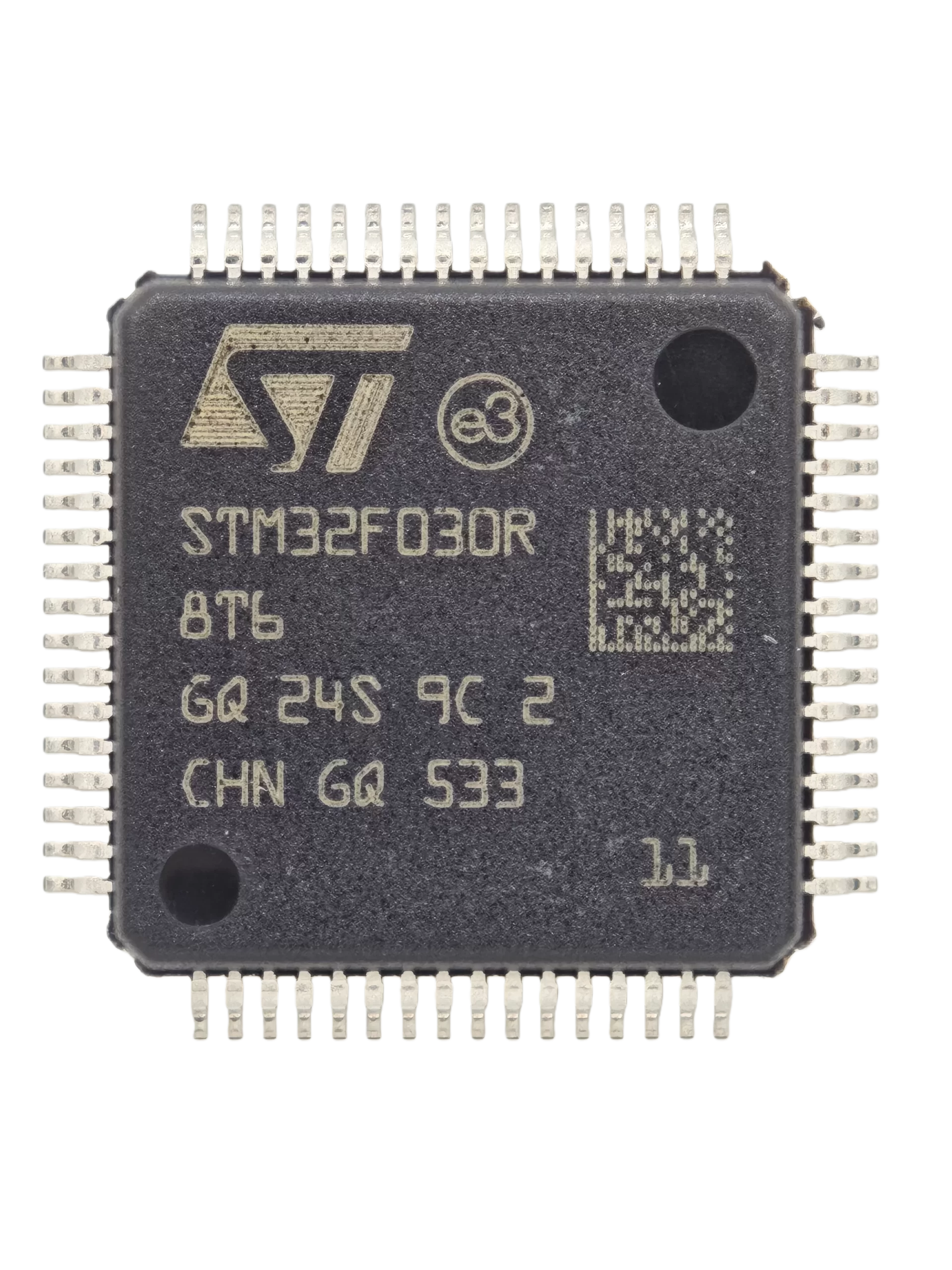
Which is better for high-speed data processing: a microcontroller vs microprocessor?

In the context of microcontroller vs microprocessor, the microprocessor is the clear winner for raw speed and complex calculation power. However, for controlling a simple motor or reading a sensor, the microcontroller vs microprocessor comparison favors the microcontroller due to its lower cost and simplicity. We provide a balanced inventory of both microcontroller vs microprocessor options to suit any engineering requirement.

How does the power consumption differ between a microcontroller vs microprocessor?

Typically, a microcontroller consumes significantly less power than a microprocessor because it is designed for simpler, dedicated tasks. In the microcontroller vs microprocessor evaluation for battery-powered devices, the microcontroller is almost always the preferred choice. We offer ultra-low-power versions for both sides of the microcontroller vs microprocessor divide to meet your energy efficiency goals.

Can a system use both a microcontroller and a microprocessor together?

Yes, many advanced systems use both; the microprocessor handles the main OS and display, while a "helper" microcontroller manages real-time I/O tasks. This hybrid approach takes the best from the microcontroller vs microprocessor world to create a high-performance, stable machine. Our engineers can recommend the perfect microcontroller vs microprocessor pair for your next high-end automation project.

What are the cost implications of choosing a microcontroller vs microprocessor?

A microcontroller is generally much cheaper to implement because it requires fewer external parts (like RAM chips). However, for a workstation or server, the higher price of a microprocessor is justified by its immense throughput—this is the core of the microcontroller vs microprocessor economic trade-off. We provide competitive bulk pricing for every microcontroller vs microprocessor model we stock.

If you are interested in our products, you can choose to leave your information here, and we will be in touch with you shortly.