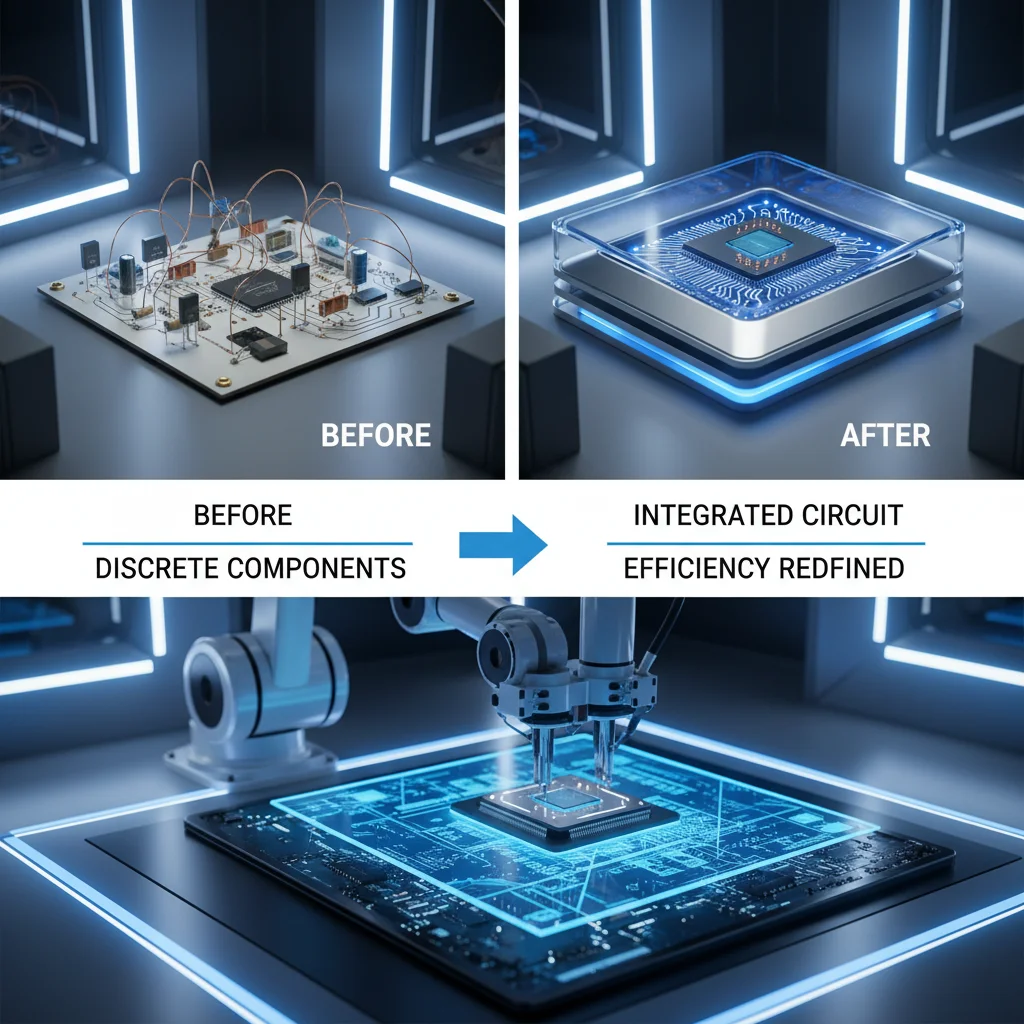
What are the foundational stages involved in professional microprocessor design?
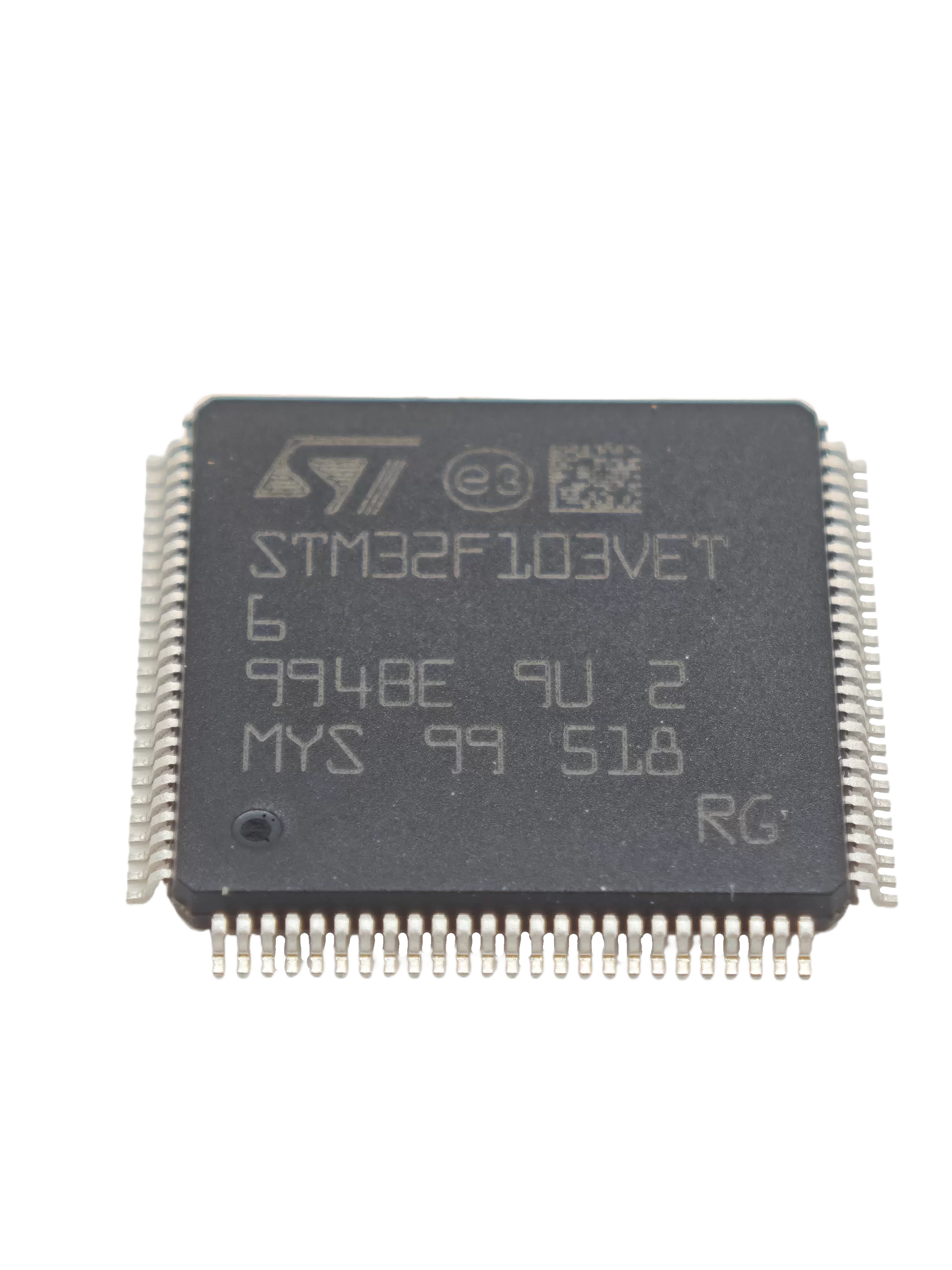
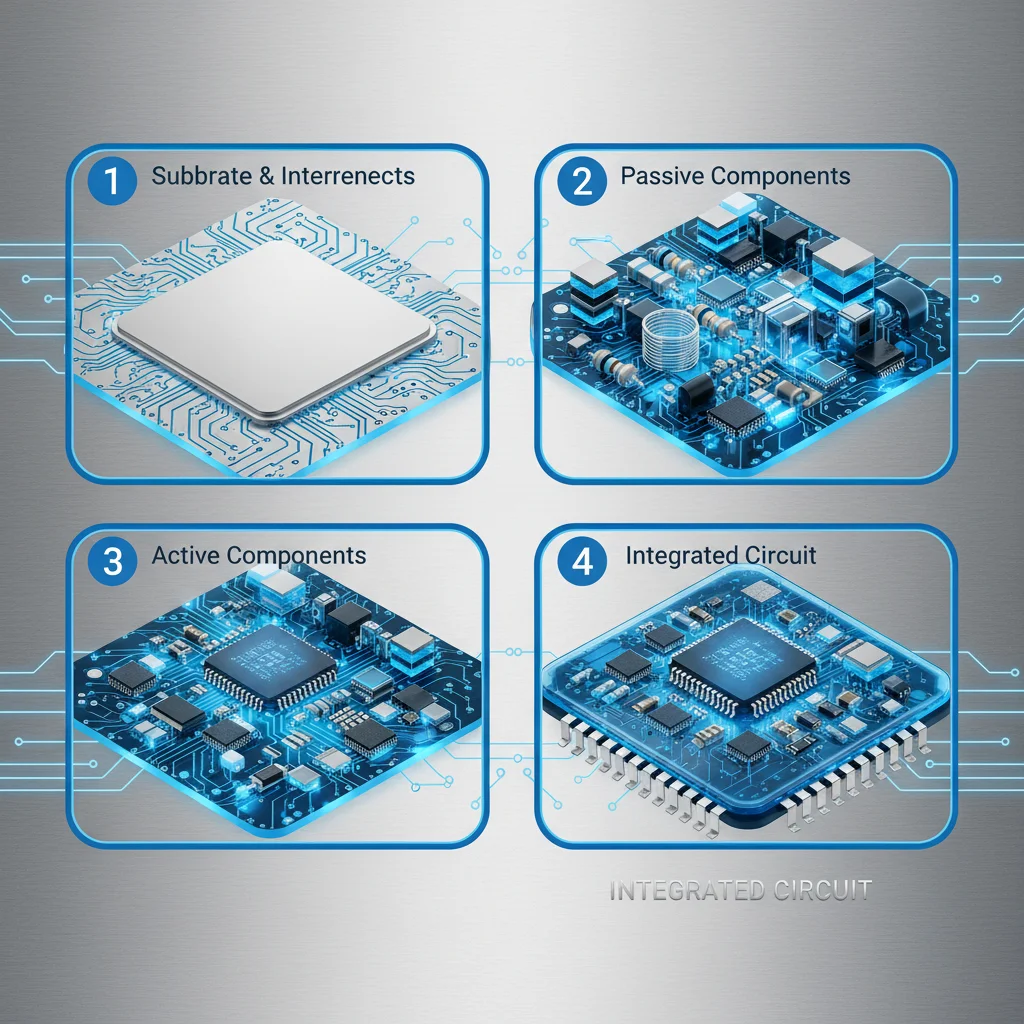
The process of microprocessor design begins with defining the Instruction Set Architecture (ISA) and moves through logic design, circuit design, and physical layout. Each stage of microprocessor design must account for power density, signal propagation delays, and thermal constraints. We provide cutting-edge components that are the result of rigorous microprocessor design cycles, ensuring peak efficiency for industrial and consumer electronics.
How does the concept of "pipelining" affect the efficiency of microprocessor design?
Pipelining is a critical feature in microprocessor design that allows multiple instructions to be processed simultaneously in different stages. By implementing deep pipelines in microprocessor design, engineers can significantly increase the clock frequency and overall throughput of the chip. Our high-performance chips utilize advanced pipelining as part of their sophisticated microprocessor design to handle complex data workloads.
What role does EDA software play in the modern microprocessor design workflow?
Electronic Design Automation (EDA) tools are essential for simulating and verifying the complex gates within a microprocessor design before it goes to the foundry. Without these tools, the precision required for a 7nm or 5nm microprocessor design would be impossible to achieve. We stay updated on the latest microprocessor design trends to provide our clients with the most advanced silicon technology available.
Can microprocessor design be customized for specific AI or machine learning tasks?
Yes, "Application-Specific" microprocessor design allows for the creation of NPU (Neural Processing Units) that are optimized for tensor calculations. This tailored approach to microprocessor design offers much higher performance-per-watt than general-purpose CPUs for AI edge computing. We offer a selection of processors that feature specialized microprocessor design elements for deep learning applications.
Why is power management such a challenge in current microprocessor design?
In modern microprocessor design, managing "leakage current" at the nanometer scale is vital to prevent chips from overheating. Designers use techniques like power gating and multiple voltage domains within the microprocessor design to conserve energy. Our inventory includes processors that represent the gold standard in low-power microprocessor design for portable industrial equipment.
How do you verify the integrity of a new microprocessor design after manufacturing?
Every chip undergoes "post-silicon validation" to ensure the physical hardware perfectly matches the original microprocessor design specifications. This involves testing for logic bugs and electrical tolerances under extreme conditions. We only source chips from manufacturers who maintain the highest standards of verification for their microprocessor design projects.
What is the future trend for microprocessor design in the next decade?
The future of microprocessor design is moving toward heterogeneous computing and 3D chip stacking to overcome the physical limits of Moore's Law. These innovations in microprocessor design will allow for even greater integration of memory and logic on a single package. Partnering with us gives you access to the latest breakthroughs in global microprocessor design technology.
Why source components based on advanced microprocessor design from your company?
We have a deep technical understanding of the microprocessor design philosophies of different manufacturers, allowing us to recommend the best chip for your specific application. Our professional trade services ensure that these high-tech products of complex microprocessor design reach you safely and efficiently. Trust us for reliable, state-of-the-art silicon based on world-class microprocessor design.