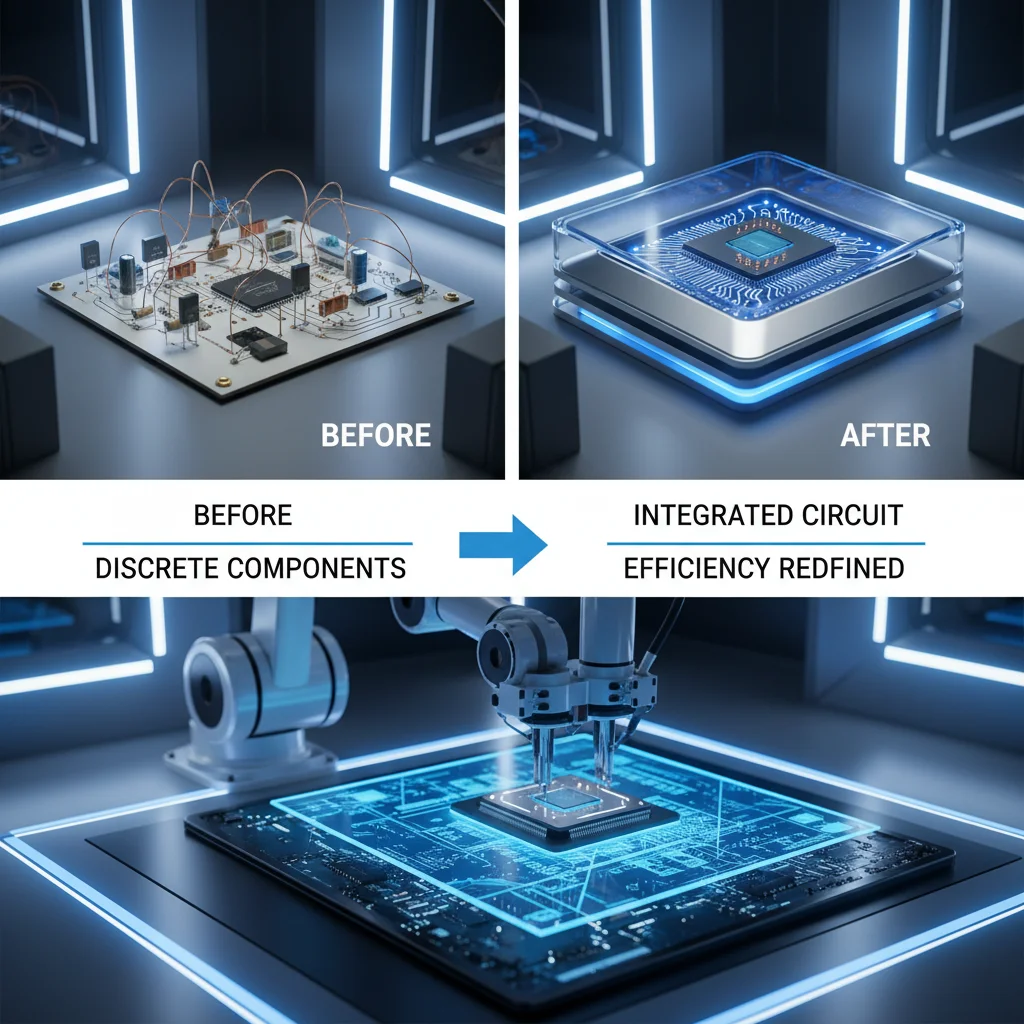
What differentiates an ai processor chip from a traditional CPU?
An ai processor chip is specifically architected to accelerate neural network computations, such as matrix multiplication and tensor processing. While a standard processor handles general tasks, the ai processor chip excels at the high-parallelism required for machine learning. Our ai processor chip solutions enable real-time image recognition and voice processing directly at the edge, without relying on the cloud.
How does an ai processor chip improve performance in robotics?
In robotics, an ai processor chip can process sensor data from cameras and LiDAR much faster than a general-purpose chip. This speed allows for immediate obstacle avoidance and path planning, which are critical for autonomous navigation. By integrating an ai processor chip, you can transform a standard robot into an intelligent system capable of complex environment interaction.
What is the TOPS rating of your current ai processor chip?
Our flagship ai processor chip offers up to 5 TOPS (Tera Operations Per Second) of performance while maintaining an ultra-low power envelope. This high efficiency-to-performance ratio makes the ai processor chip suitable for battery-powered drones and handheld AI devices. We provide full benchmarking reports for our ai processor chip to help you evaluate its processing potential for your specific models.
Does the ai processor chip support popular frameworks like TensorFlow?
Yes, our ai processor chip is compatible with industry-standard frameworks including TensorFlow Lite, Caffe, and ONNX. We provide a comprehensive compiler toolchain that converts your trained models into optimized code for the ai processor chip. This ensures that data scientists can deploy their work on the ai processor chip with minimal friction and maximum hardware utilization.
What are the power requirements for an ai processor chip in a smart camera?
Efficiency is a key feature of our ai processor chip, which typically consumes less than 2 Watts during full inference. This low power draw prevents the smart camera from overheating and extends the life of the internal components. As a supplier, we recommend our ai processor chip for any application where thermal management and energy conservation are top priorities.
Can an ai processor chip be used for industrial quality inspection?
Absolutely, the ai processor chip is widely used in automated optical inspection (AOI) systems to detect manufacturing defects in real-time. By running deep learning models on the ai processor chip, factories can achieve higher accuracy than traditional rule-based vision systems. We provide the ai processor chip in industrial-grade packaging to ensure reliable operation in vibrating and dusty environments.
What interfaces are available on the ai processor chip for data input?
The ai processor chip features multiple MIPI-CSI lanes for high-resolution camera input and high-speed PCIe for data transfer. These interfaces allow the ai processor chip to ingest massive amounts of visual data with zero latency. We can assist your design team in optimizing the data pipeline between the sensors and the ai processor chip for peak efficiency.
Why is your company the ideal supplier for ai processor chip technology?
We offer not just the ai processor chip itself, but also the technical expertise needed to implement AI at the edge. Our supply chain for the ai processor chip is robust, ensuring that we can support your growth from prototyping to mass production. By choosing our ai processor chip, you are investing in a future-ready solution backed by professional international trade support.