Please complete all required fields with your contact information.Click "SUBMIT" we will contact you shortly by email. Or Email us: info@ckxic.com
Inquiry Online
Please complete all required fields with your contact information.Click "SUBMIT" we will contact you shortly by email. Or Email us: info@ckxic.com
Serial-to-Parallel Shift Register IC (Power Drive) FAQ
How does a shift register ic reduce the pin count of a microcontroller?
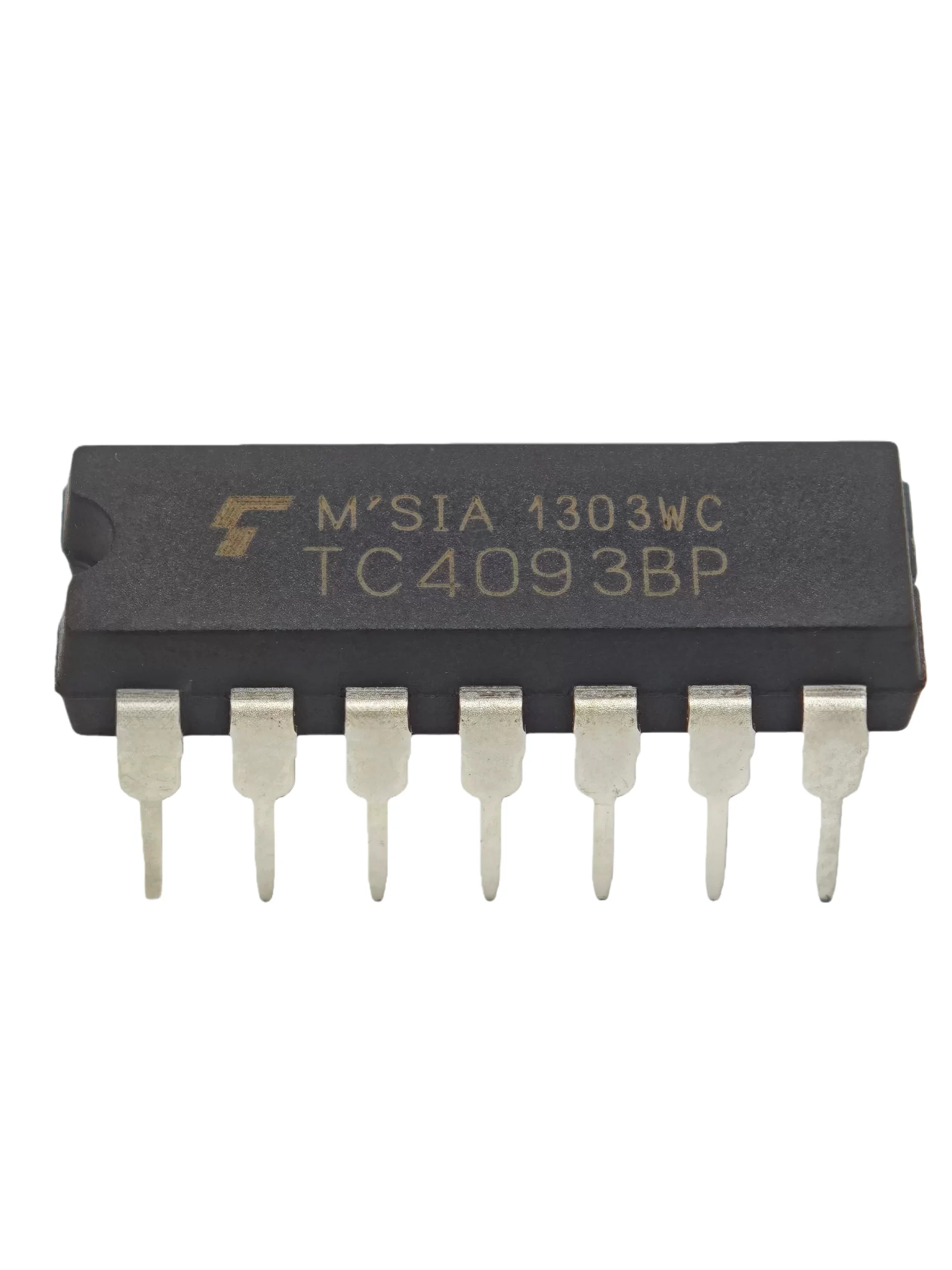
A shift register ic allows a processor to control many outputs (like LEDs or relays) using only three pins (Data, Clock, Latch). This "serial-to-parallel" conversion is a classic digital ic 74 series function. By daisy-chaining multiple digital ic units, you can control hundreds of outputs with the same three pins, making the shift register ic an indispensable digital logic ic for displays, industrial control panels, and large-scale lighting arrays.
What is the difference between a standard 74HC595 and high-current shift registers?
While a standard digital ic 74 series 595 is great for logic, our high-current shift register ic versions include built-in "open-drain" or Darlington drivers. This allows the digital ic to drive relays or high-power LEDs directly without external transistors. This level of integration simplifies the PCB and increases reliability, as the digital logic ic and power stages are combined into a single, robust package designed for industrial environments.
Can I daisy-chain these shift register ic units for very long arrays?
Yes, the "Serial Out" pin of one shift register ic can be connected to the "Serial In" of the next. This creates a massive, distributed digital logic ic network. Unlike complex bus protocols, the digital ic 74 series shift logic is extremely easy to program and debug. This makes it the preferred digital ic choice for engineers who need a simple, low-cost way to expand their I/O capabilities without the overhead of I2C or SPI addressing.
How does the "Latch" pin prevent flickering in displays?
The "Latch" or "Storage Register" pin in our shift register ic ensures that the outputs only update once the entire data string has been shifted in. This prevents the "ghosting" or flickering that occurs when data moves through a digital logic ic without a buffer. It’s a key refinement over the simplest digital ic 74 series shift registers, providing a clean, stable state for any digital ic driven display or control system.