March 28, 2026
In the world of electronics, understanding basic electronic components is fundamental, whether you're a hobbyist, a student, or a professional engineer. These building blocks are the foundation of every electronic device, from smartphones to computers to industrial machinery. This article will provide a comprehensive overview of key components, their functions, and how they work together. We’ll also explore where to source high-quality components and some essential considerations when selecting them.
Resistors are arguably the most basic and widely used electronic components. They oppose the flow of electric current, allowing you to control the amount of current in a circuit. Resistors are measured in Ohms (Ω). They come in various types, including carbon film, metal film, and wire-wound resistors, each with different characteristics like tolerance and power rating. Understanding resistor color codes is essential for identifying their resistance value. They are crucial for voltage division, current limiting, and bias setting. You can find a wide selection of resistors at CKXIC.
Key Highlights: Resistors control current flow, are measured in Ohms, and come in various types each with distinct properties.
Capacitors store electrical energy in an electric field. They are measured in Farads (F). Like resistors, capacitors come in different types, including ceramic, electrolytic, and film capacitors. Each type has unique characteristics suited for different applications. Capacitors are commonly used for filtering, decoupling, and energy storage. They are essential for smoothing out power supply voltages and blocking DC signals while allowing AC signals to pass. Check out CKXIC's capacitor selection for a comprehensive range.
Capacitor Benefits:
• Stores electrical energy
• Measured in Farads
• Used for filtering and decoupling
• Available in various types (ceramic, electrolytic, film)
Diodes act as one-way valves for electrical current, allowing current to flow in only one direction. This property makes them essential for rectification (converting AC to DC), signal detection, and protection circuits. Common types include silicon diodes, Schottky diodes, and Zener diodes. Understanding their forward voltage and reverse breakdown voltage is crucial for proper application. Explore CKXIC's diode offerings for a variety of specifications.
Transistors are semiconductor devices used for amplifying and switching electronic signals. They are the building blocks of modern electronics. There are two main types: bipolar junction transistors (BJTs) and field-effect transistors (FETs). Transistors are used in a wide range of applications, including amplifiers, oscillators, and digital logic circuits. Selecting the correct transistor depends on factors like voltage, current, and frequency requirements.
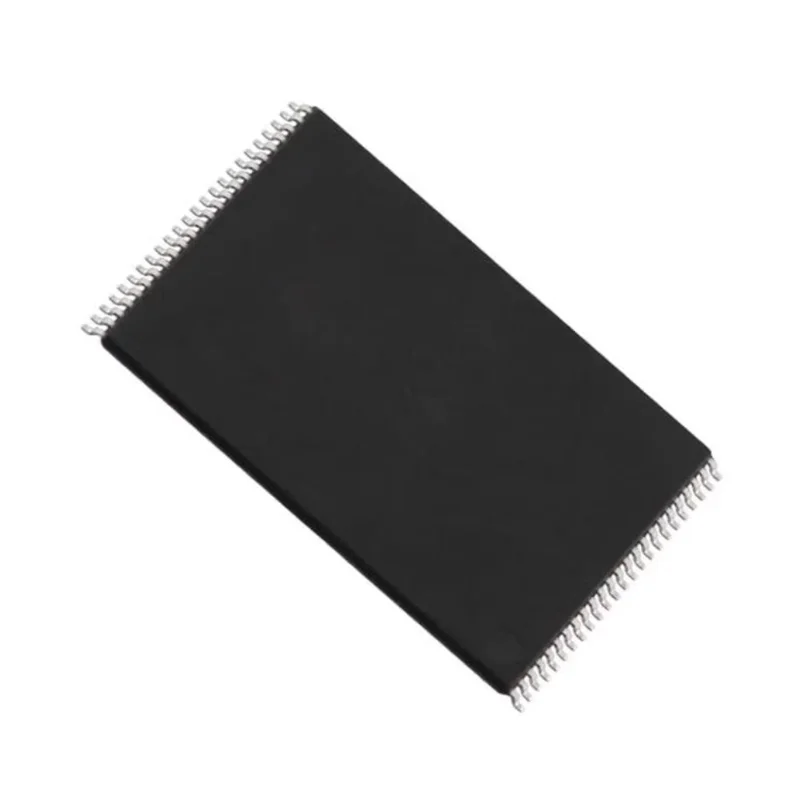
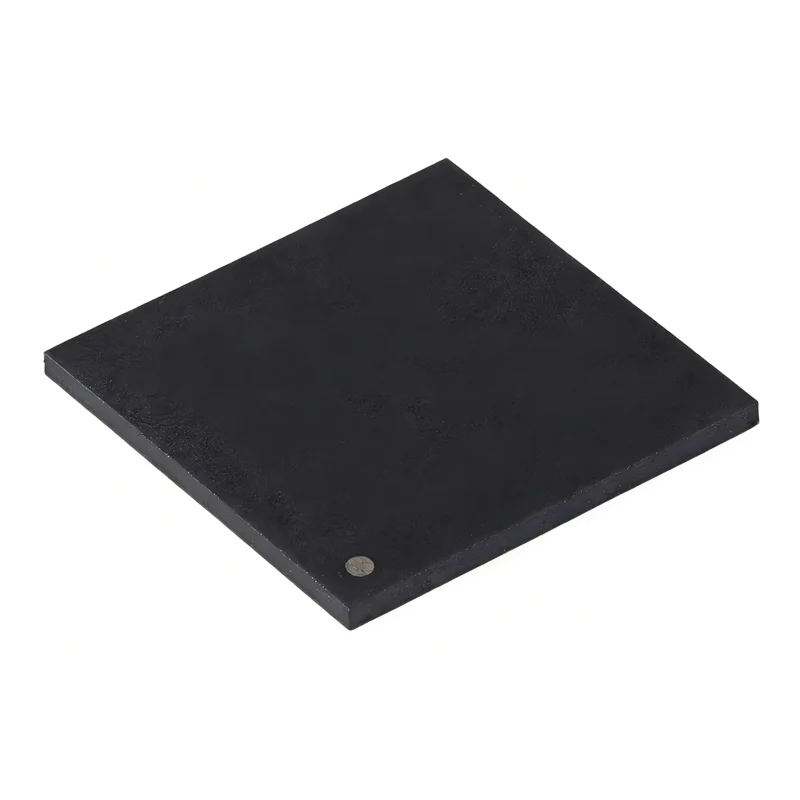
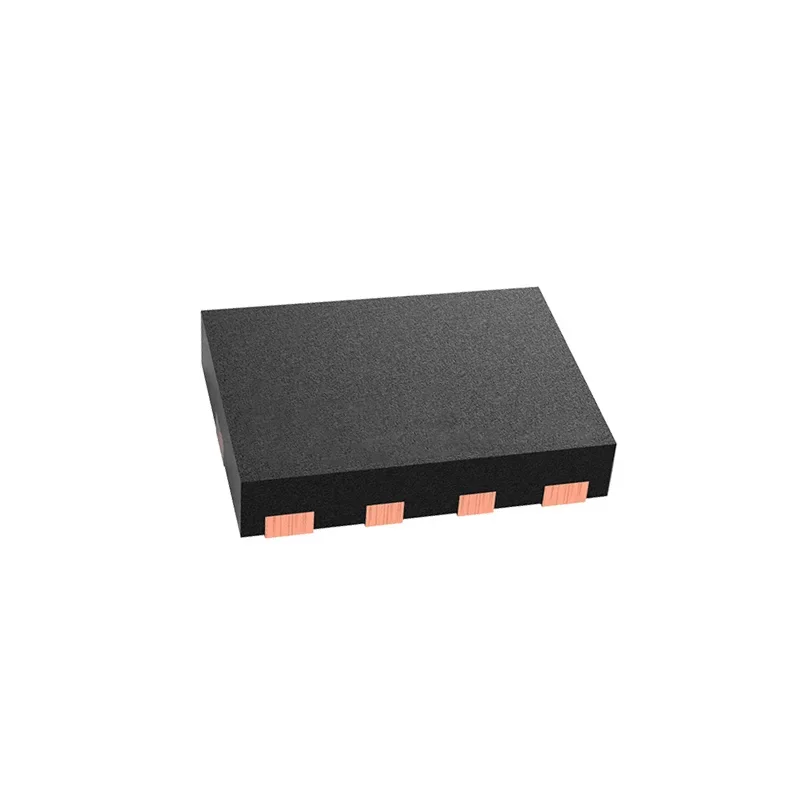
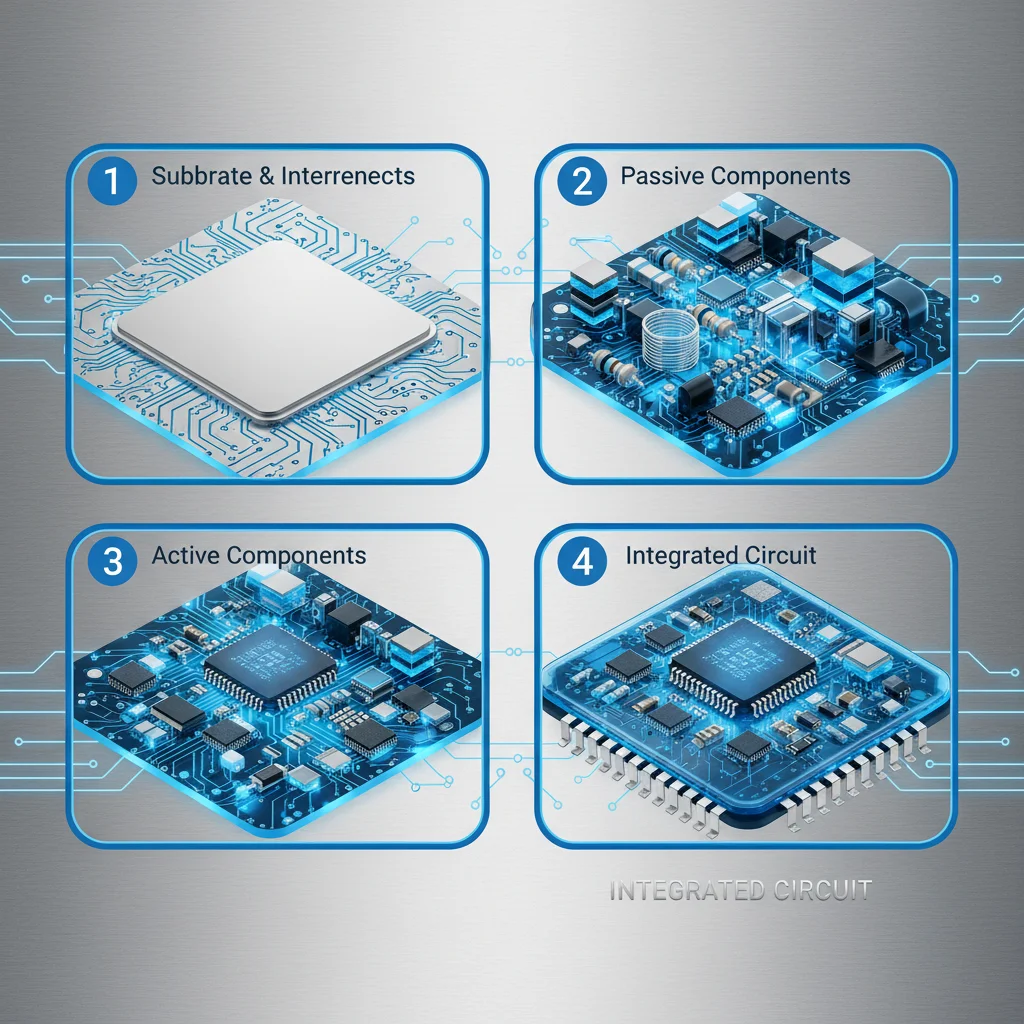
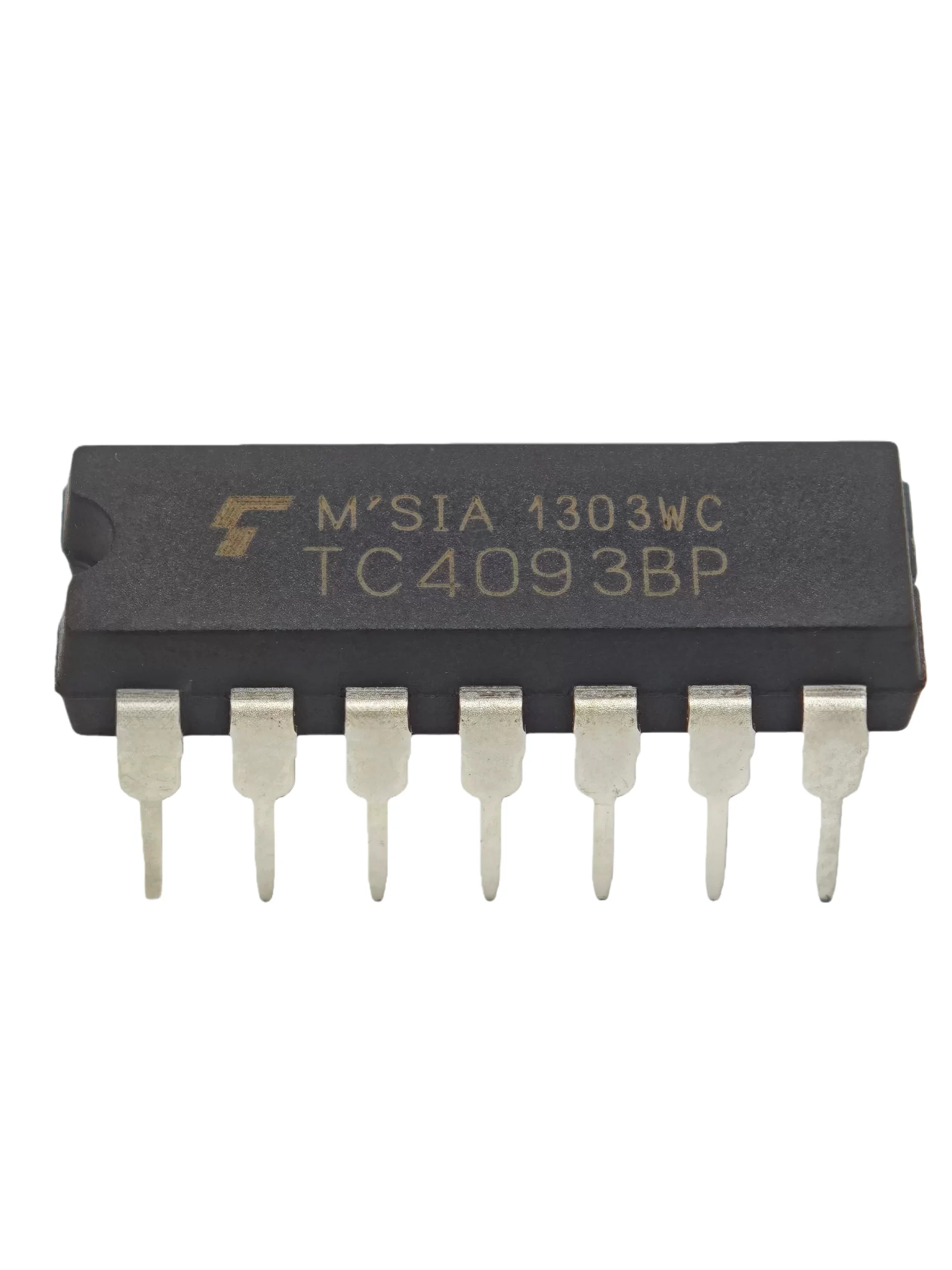
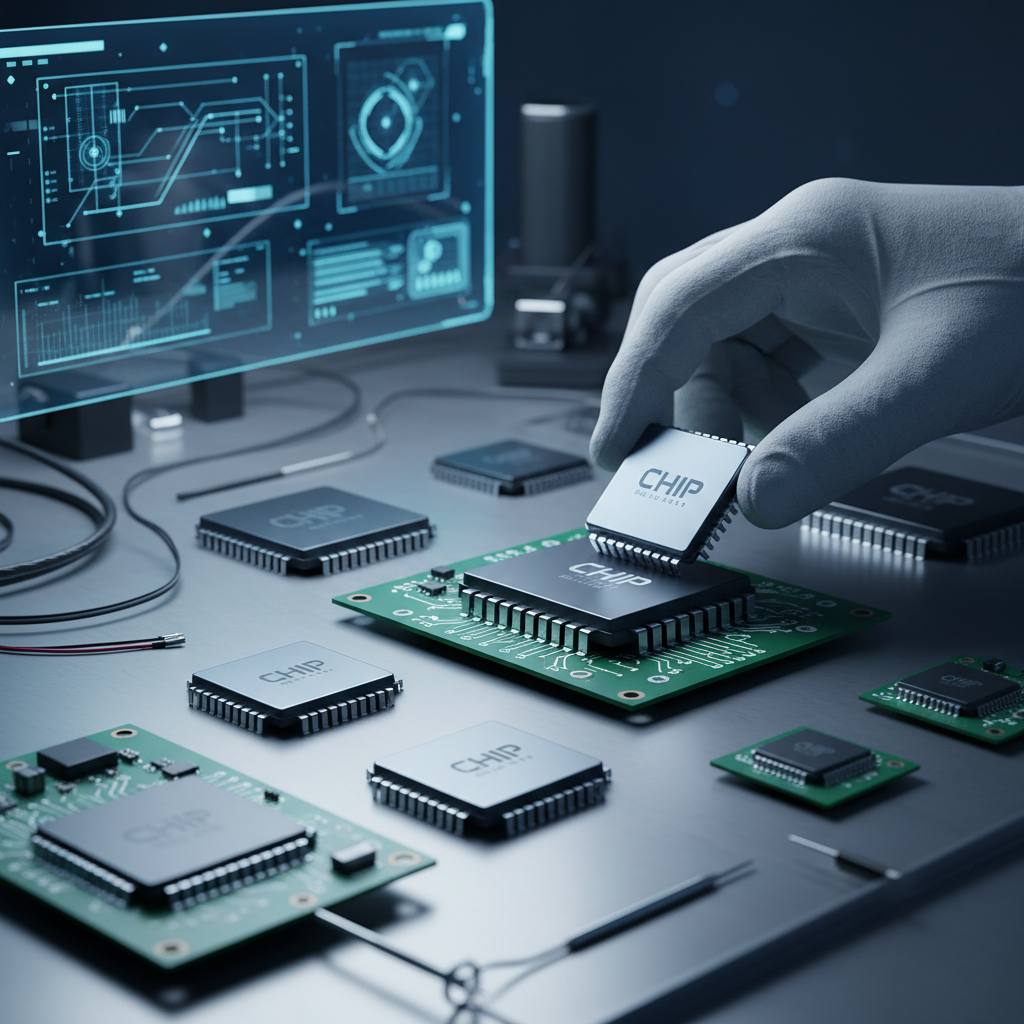
Integrated circuits, often called "chips," contain a large number of transistors and other electronic components fabricated on a single semiconductor substrate. They perform complex functions and are the cornerstone of modern digital devices. Examples include microprocessors, memory chips, and operational amplifiers. ICs are categorized based on their functionality and complexity. CKXIC provides a broad selection of integrated circuits to meet diverse project needs.
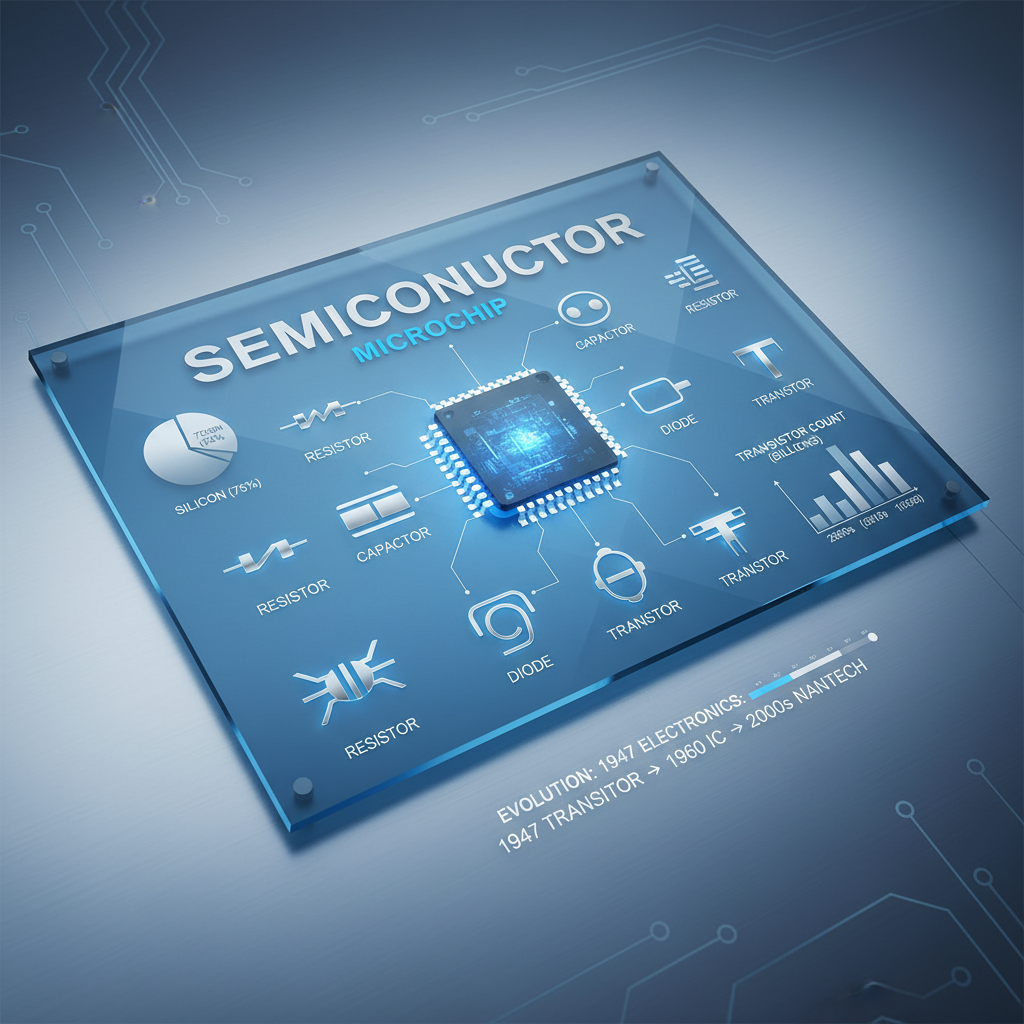
Selecting the correct basic electronic components is crucial for circuit performance and reliability. Consider factors like voltage and current ratings, tolerance, power dissipation, and operating temperature. Sourcing from reputable suppliers like CKXIC ensures quality and authenticity. CKXIC offers a vast inventory, competitive pricing, and reliable global shipping, making it a trusted partner for electronic component procurement.
Understanding these basic electronic components is the first step towards building and troubleshooting electronic circuits. By carefully selecting components from a reliable supplier like CKXIC, you can ensure the success of your electronic projects. Don't hesitate to explore our extensive catalog and leverage our expertise to find the perfect components for your needs.
Tolerance refers to the allowable deviation from the stated value of a component. For example, a 100Ω resistor with a 5% tolerance can have a resistance between 95Ω and 105Ω. Understanding tolerance is crucial because it affects circuit precision. Lower tolerance values indicate greater accuracy but typically come at a higher cost. Selecting the appropriate tolerance depends on the specific application's requirements. In critical applications, tight tolerances are essential to ensure predictable performance.
Resistor color codes use colored bands to indicate the resistance value and tolerance. The first two bands represent the digits, the third band represents the multiplier (power of ten), and the fourth band represents the tolerance. There are many online resistor color code calculators that can simplify this process. For example, a resistor with bands Brown, Black, Red, Gold would be 10 x 10^2 = 1000Ω (1kΩ) with 5% tolerance. Learning to read color codes is fundamental for identifying and using resistors effectively.
Different types of capacitors (ceramic, electrolytic, film) have varying characteristics. Ceramic capacitors are small, inexpensive, and ideal for high-frequency applications. Electrolytic capacitors have high capacitance but lower precision and are polarized (meaning they must be connected with the correct polarity). Film capacitors offer a good balance of characteristics and are suitable for a wide range of applications. Choosing the right type depends on the specific application’s requirements, including voltage, capacitance, frequency, and temperature.
Datasheets provide detailed technical specifications for electronic components. These are typically available on the manufacturer's website. CKXIC often provides links to datasheets directly on their product pages. Datasheets are crucial for understanding a component's limitations, operating conditions, and other important parameters.
Hit enter to search or ESC to close